The living reference

Meet the
molecules.

Explore the compounds, inspect the evidence, and follow the questions that matter to you.

106 compound dossiers8 research categories
Conceptual molecular artwork
AI-generated conceptual artwork

Find your starting point

The compound library

Tier labels describe sourcing signals.
They are not clinical approval or safety ratings.

Healing & recovery↗

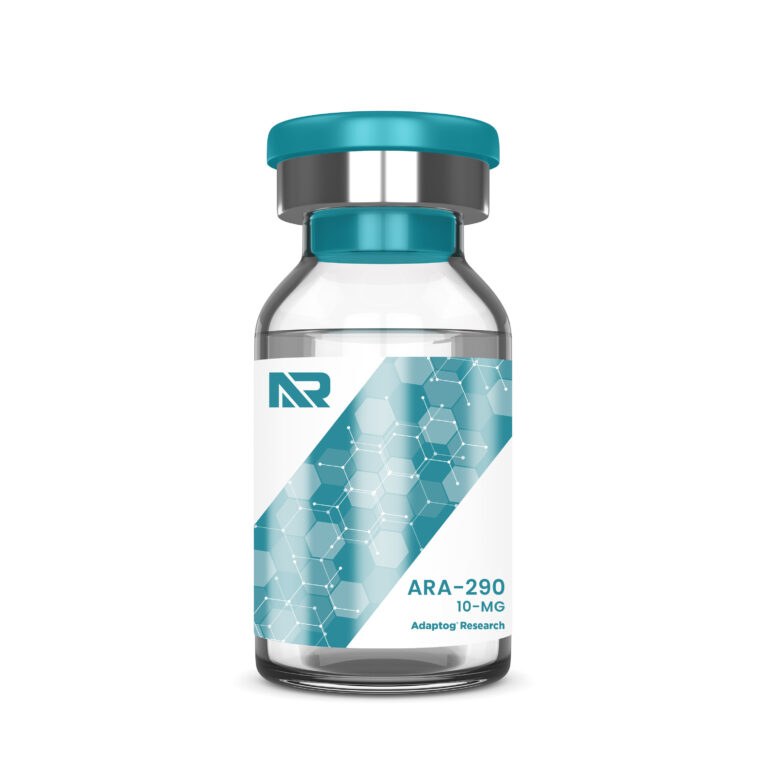
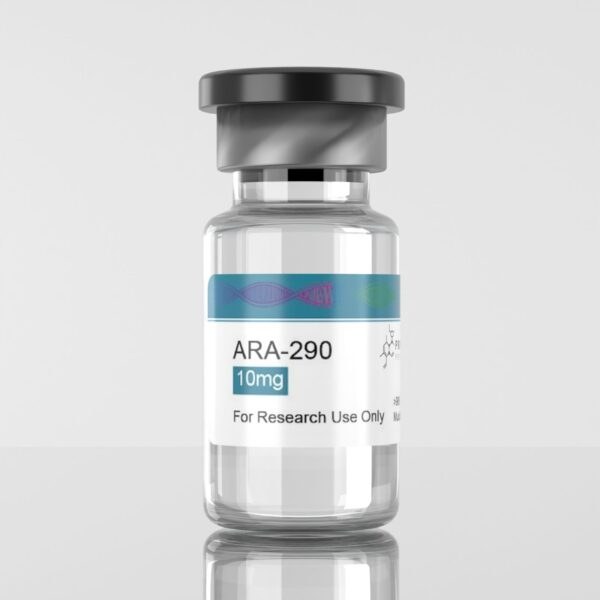
ARA-290 (Cibinetide)

Tier 3Research chemical — not approved

ARA-290 is the connoisseur's pick of the healing category — the only one with human randomized-trial data and a defined receptor mechanism, which earns it unusual respect from the evidence-minded corner of the community. But that credibility coexists with a thin, self-experimenter-only user base, temporary-feeling effects, premium pricing, and the worst sequence-accuracy record of any compound here; it is discussed more as a translational curiosity than as a proven tool.
Healing & recovery↗

BPC-157 Arginate Salt

Tier 3Research chemical — not approved

BPC-157 arginate is a real formulation distinction (same peptide, arginine counterion, patent-backed gastric-stability rationale) wrapped in marketing that outruns its evidence — "1,000× more stable" claims have no peer-reviewed backing, and for injectable use the community consensus is that it offers nothing over acetate. Its one credible niche is oral/nasal research formats, where even skeptics grant the stability argument.

Healing & recovery↗

BPC-157

Tier 1Research chemical — not approved

BPC-157 is the undisputed king of healing-peptide discourse — no other compound generates this volume of recovery anecdotes across Threads, Instagram, and Facebook groups. But the praise is almost entirely experiential: community consensus is that it pairs well with TB-500, sourcing/quality is the real risk, and the clinical evidence base is limited to animal work and one tiny published human pilot.

Healing & recovery↗

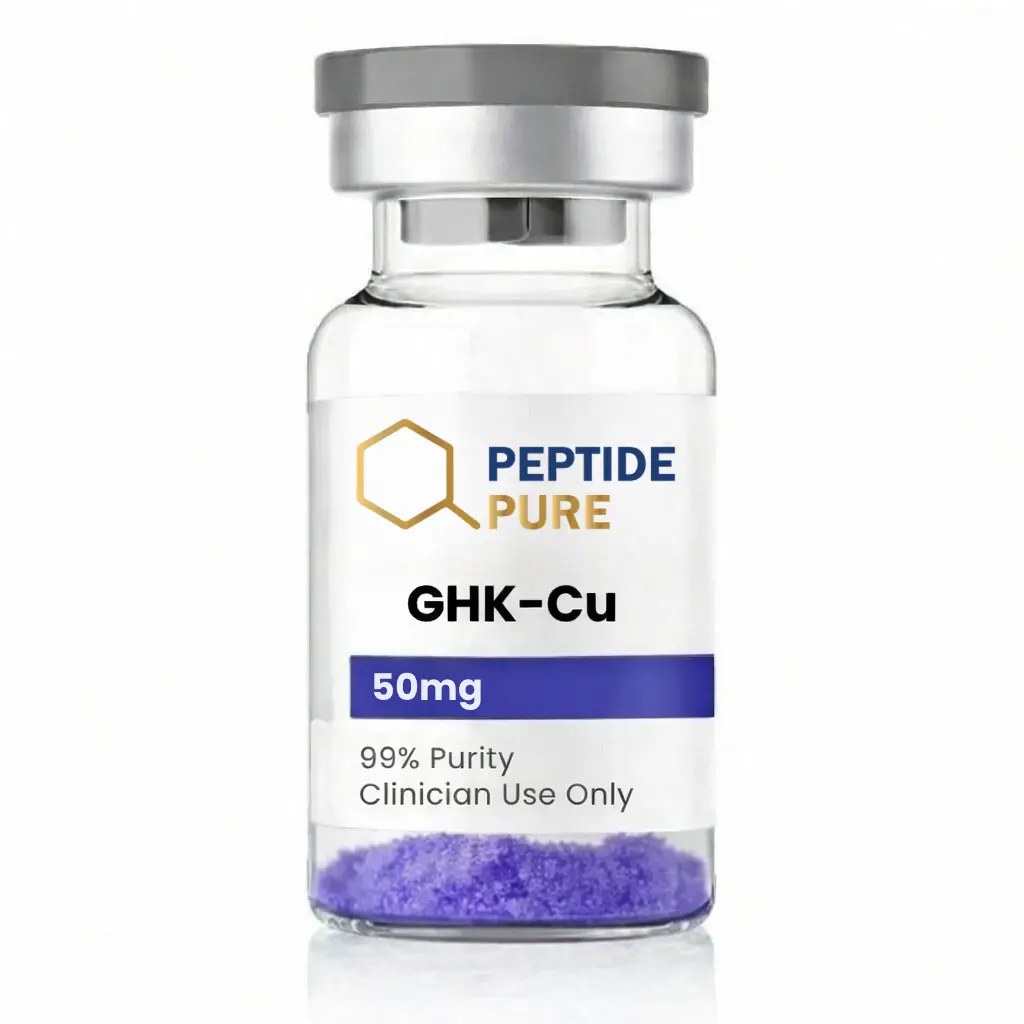
GHK-Cu (injectable form)

Tier 1Cosmetic ingredient

GHK-Cu is the cosmetic darling of the healing category — hair and skin anecdotes are abundant and it anchors the GLOW triple stack — but injectable use is the least evidence-backed application of the five compounds here. Community sentiment splits between believers citing visible skin/hair change and skeptics noting the benefits never quite materialize; everyone agrees the topical form is the one with real data behind it.

Healing & recovery↗

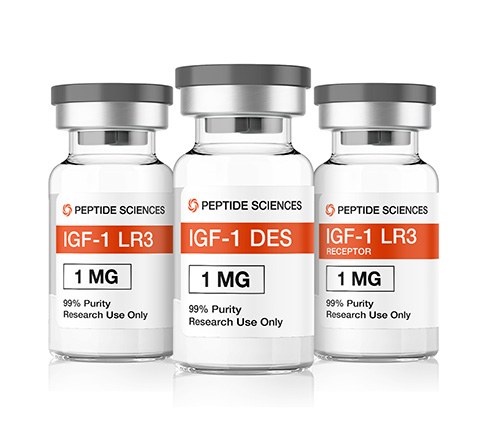
IGF-1 DES

Tier 2Research chemical — not approved

IGF-1 DES is the connoisseur's IGF variant — less-discussed and lower-volume than LR3, but with a durable, decade-old community belief that it acts more locally and briefly, making it the preferred pick for the muscle just trained. The localized/systemic distinction is stated as fact by users but functions in practice as working theory built on injection-route anecdotes; nothing in the evidence trail proves it.

Healing & recovery↗

IGF-1 LR3

Tier 2FDA-approved prescription

IGF-1 LR3 has one of the largest real-world evidence trails in the peptide gray market, but veteran consensus is that its muscle-mass payoff is modest — the value shows up in pumps, recomposition, and faster recovery from soft-tissue injuries. Its most distinctive community signature is the hypoglycemia risk, which experienced users treat as the defining safety concern.

Healing & recovery↗

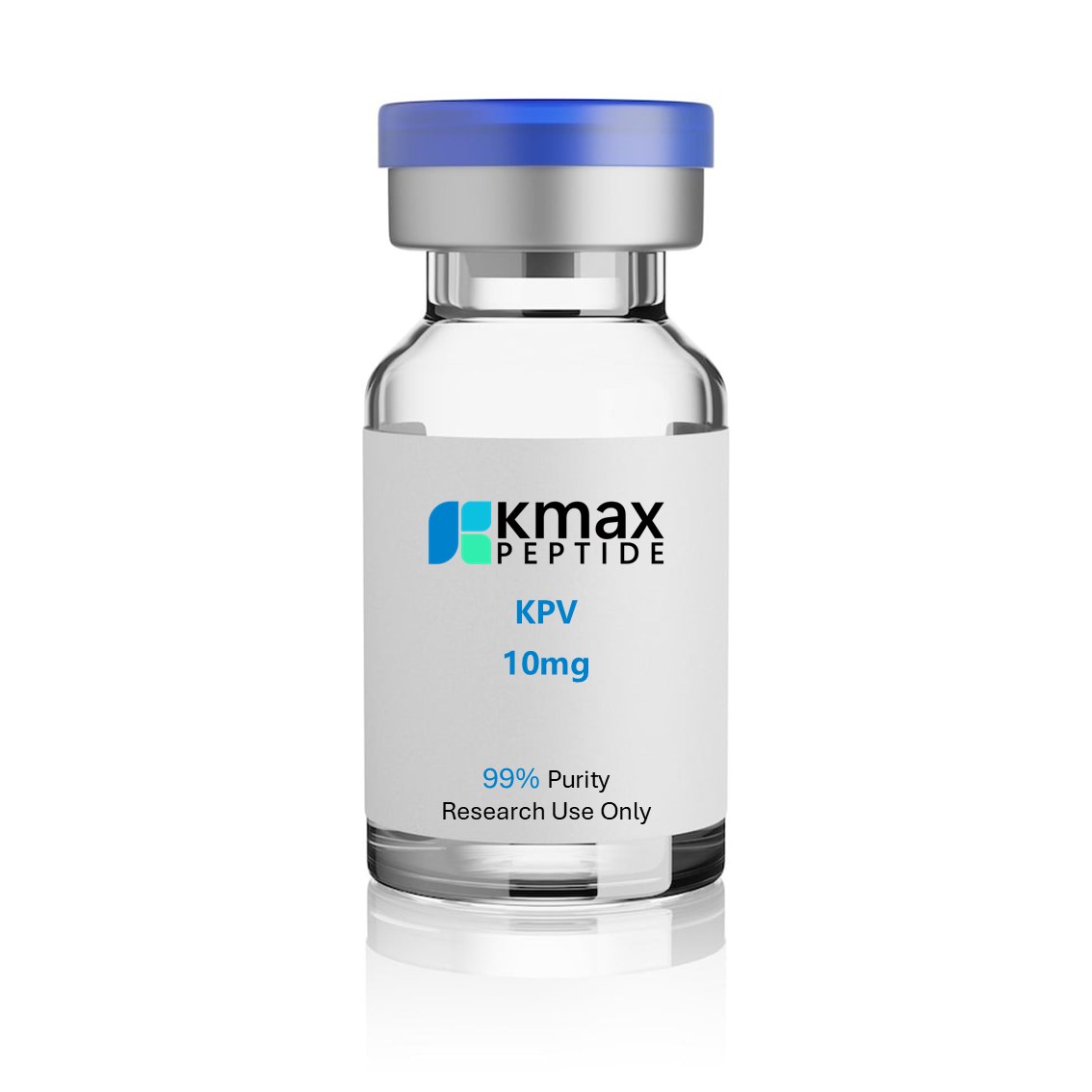
KPV

Tier 2Research chemical — not approved

KPV is the thinking person's anti-inflammatory peptide — the preclinical mechanism (NF-kB via melanocortin signaling, PepT1 gut absorption) is unusually well-articulated for a gray-market compound, and the MCAS/gut/skin niches report genuinely encouraging anecdotes. But it is early: the community is still in the "what should I expect?" phase, the evidence is all animal and cell data, and its small size makes quality verification the buyer's biggest practical problem.

Healing & recovery↗

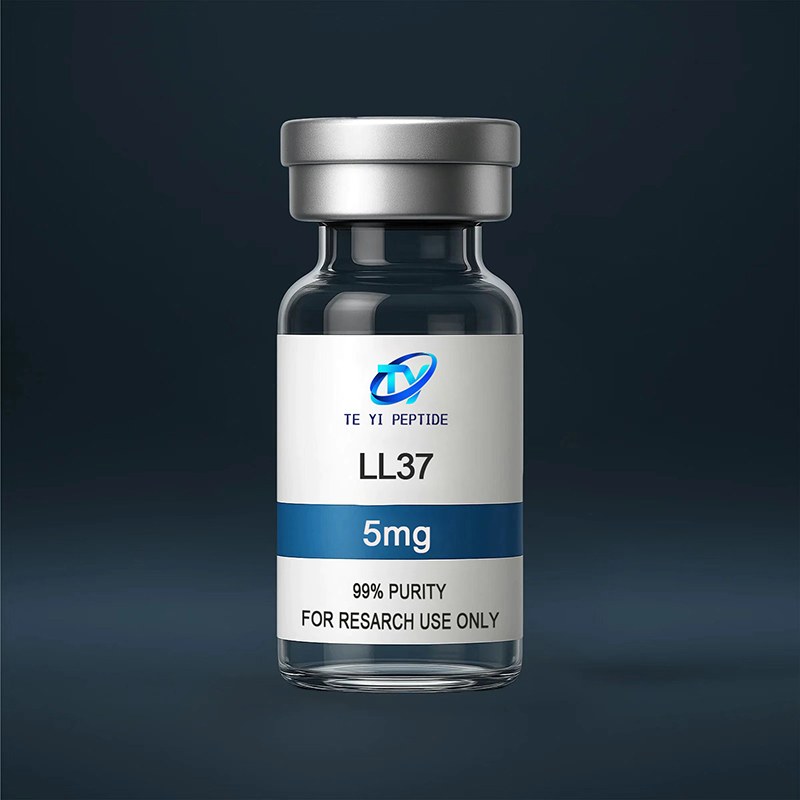
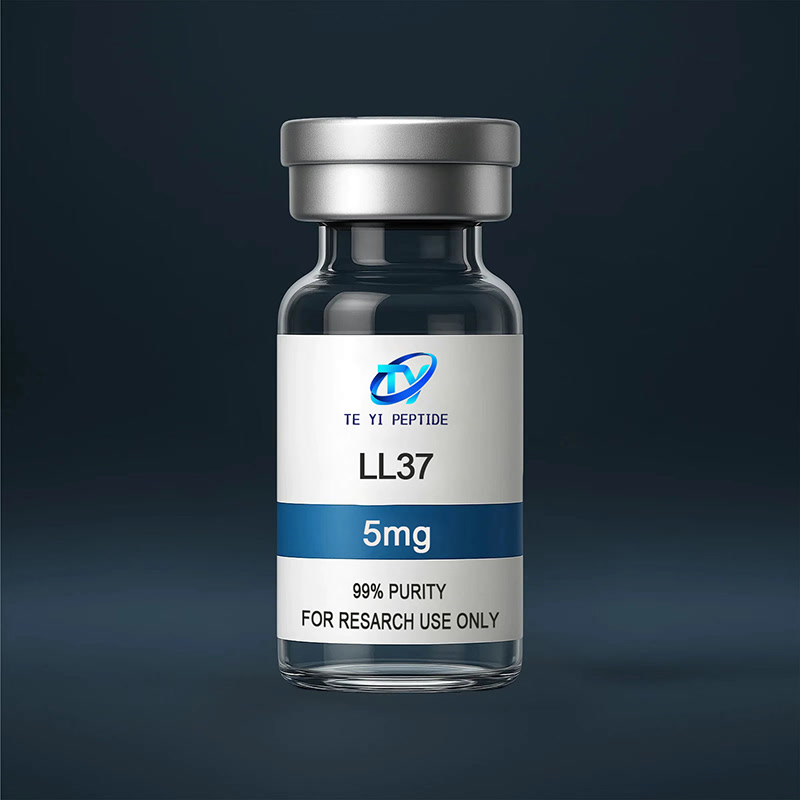
LL-37 (Human Cathelicidin Antimicrobial Peptide)

Tier 2Research chemical — not approved

LL-37 is the healing track's infection-and-wound specialist: genuine biohacker enthusiasm grounded in real antimicrobial and wound-healing literature, but the community conversation stays appropriately cautious — it's discussed as an infection-specific tool with pro-inflammatory edge cases, not a general recovery peptide, and the human evidence remains early.

Healing & recovery↗

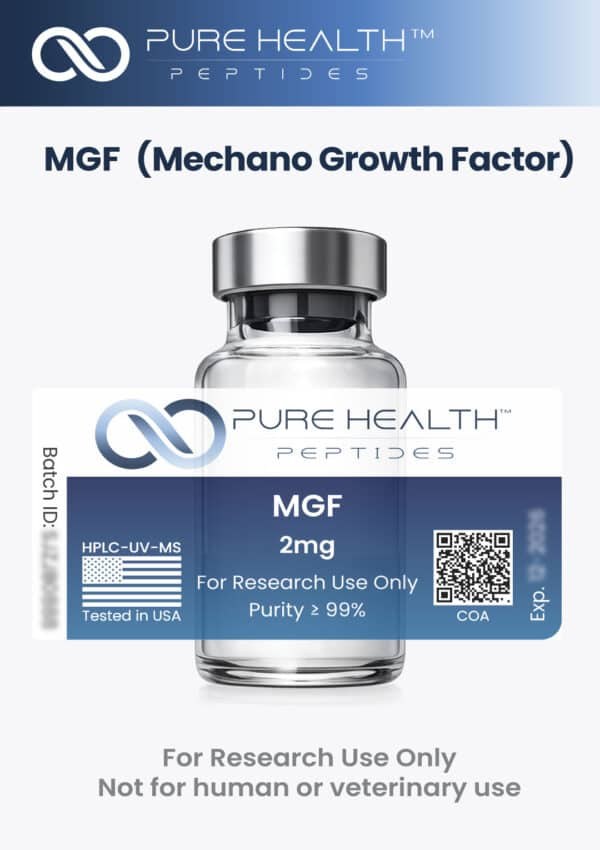
MGF (Mechano Growth Factor)

Tier 2Research chemical — not approved

Plain MGF is the budget, old-school entry in the recovery-growth space with a real rodent literature behind it and a loyal anecdotal user base that values post-workout localized use and lower cost — but its reconstituted fragility is the one thing believers and skeptics agree on. The decade-plus MGF-vs-PEG-MGF argument has never been settled, and the site-injection/localization claim that anchors MGF's identity is actively disputed by pharmacology-minded posters.

Healing & recovery↗

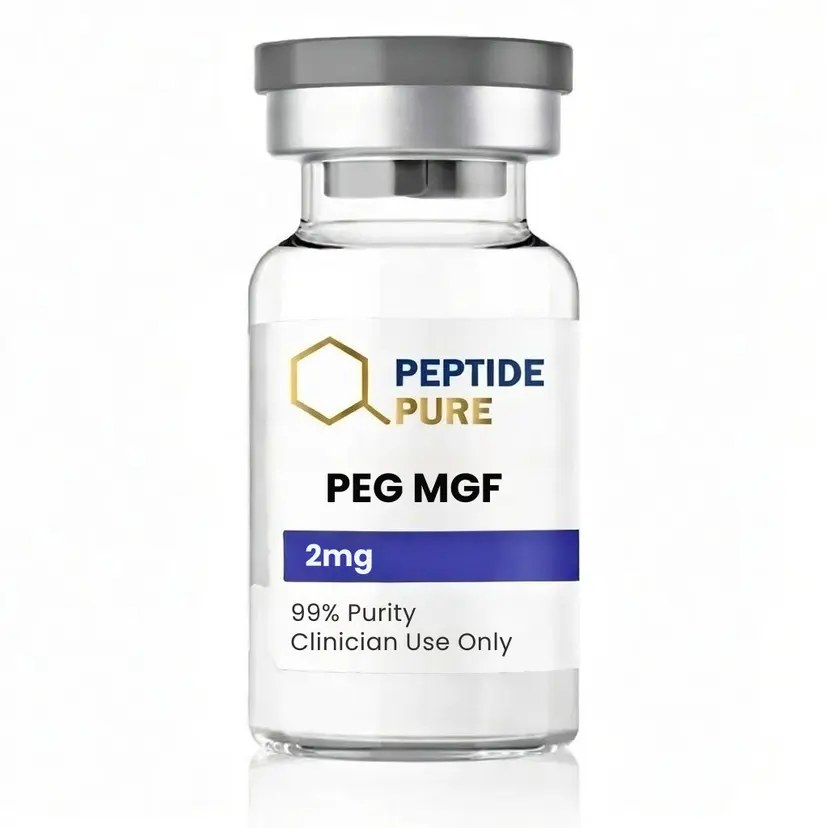
PEG-MGF

Tier 2Research chemical — not approved

PEG-MGF is the most divisive item in this batch: a decade-plus of forum argument has never settled whether pegylation improved or ruined the molecule, with advocates praising systemic rest-day recovery and detractors calling it overpriced and under-delivering versus plain MGF. The one undisputed technical point is that it survives reconstitution far better than plain MGF.

Healing & recovery↗

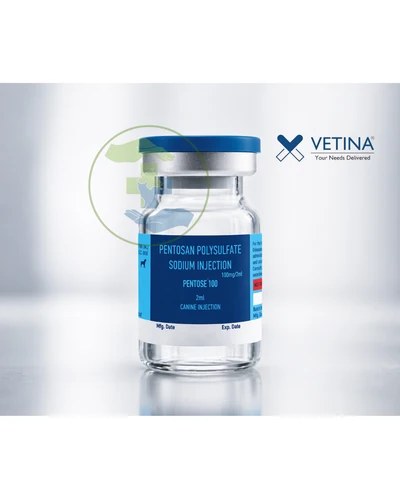
Pentosan Polysulfate Sodium

Tier 2FDA-approved prescription

Pentosan is the veteran of the healing track that isn't a peptide at all: the veterinary world treats it as a standard osteoarthritis tool, and a niche of experienced biohackers ranks it above BPC-157/TB-500 for stubborn joint degeneration — with the persistent caveat that human injectable supply is prescription-gated, expensive, and increasingly squeezed by regulators.

Healing & recovery↗

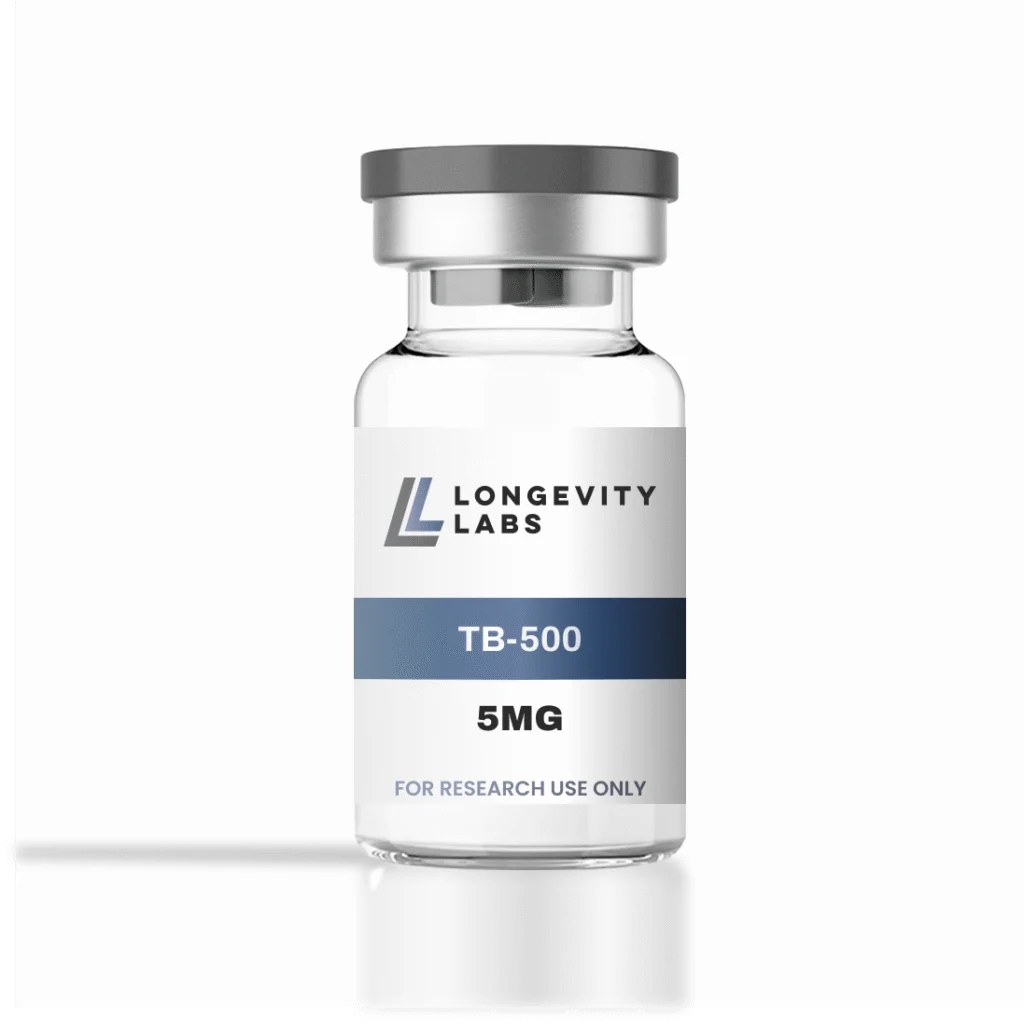
TB-500 (Thymosin Beta-4 fragment)

Tier 1Research chemical — not approved

TB-500 is the systemic partner everyone pairs with BPC-157 — community consensus is the combination outperforms either alone for injury recovery, and anecdotal recovery timelines of 3–4 weeks are reported consistently. But isolation of TB-500's own effect is the standing complaint, the fragment-vs-full-length labeling confusion makes price comparison treacherous, and human evidence is effectively zero.

Healing & recovery↗

Thymosin Beta-4 (Full-Length, 43-AA)

Tier 2Research chemical — not approved

Full-length thymosin beta-4 is the molecule with the real (if limited) human clinical record, but the community barely buys it as such — it talks about "TB-500," and gray-market labeling blurs the two into one SKU. Until vendors are held to sequence-level identity on COAs, community "TB-500" experience can't be attributed to either molecule with confidence, which is the single biggest caveat on every TB-500 anecdote in the healing track.

Healing & recovery↗

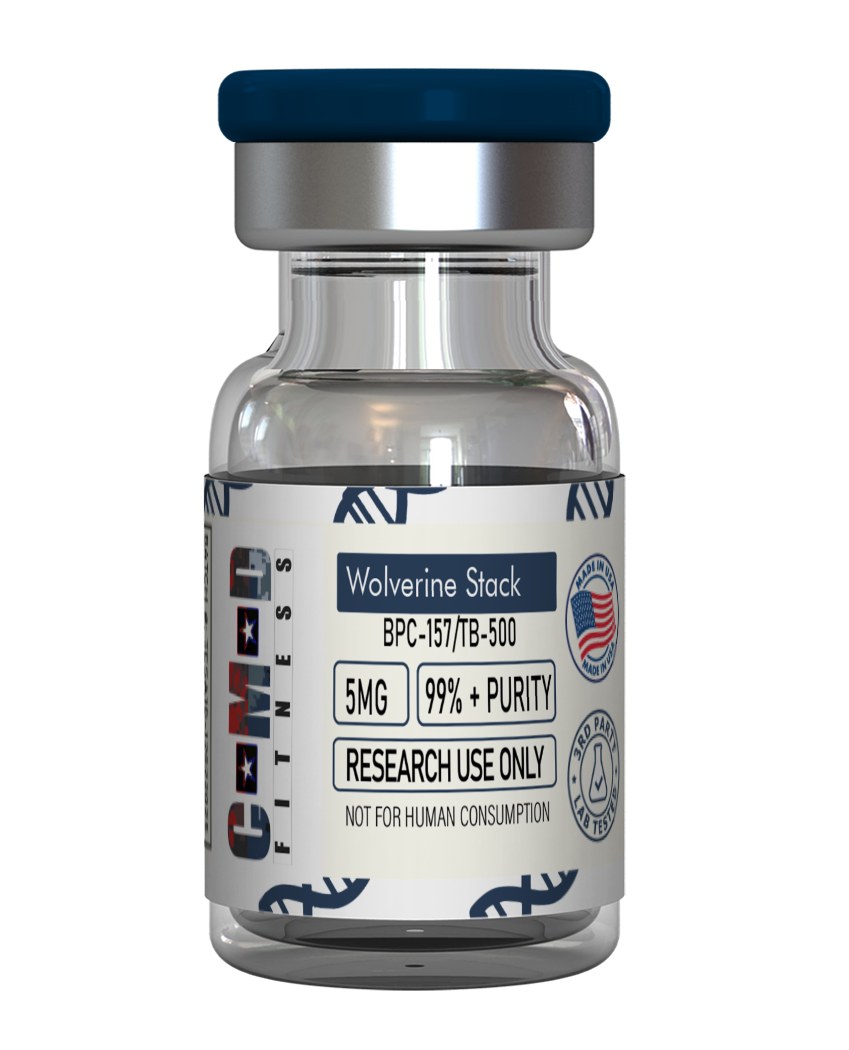
BPC-157 + TB-500 Blend ("Wolverine Stack")

Tier 1Research chemical — not approved

The Wolverine stack is the community's default recovery protocol with a genuinely large, enthusiastic — but entirely uncontrolled — experience record, and the blend format is convenient yet increasingly treated with suspicion by experienced users over ratio control, stability, and QC risk. The failed-QC Threads post from September 2026 is a reminder that the blend market has a real counterfeit problem, so third-party testing isn't optional in this segment.

Illustrative laboratory photo · Maggie Bartlett, NHGRI · Source · Public domain. Resized.

GH secretagogues↗

Alexamorelin

Tier 3Research chemical — not approved

There is no community around Alexamorelin — it is a regulatory ghost, named only on doping lists. Its Tier 3 standing reflects the absence of any user base, clinical program, or verified product to evaluate, and anyone offered it should assume mislabeling risk is high.

GH secretagogues↗

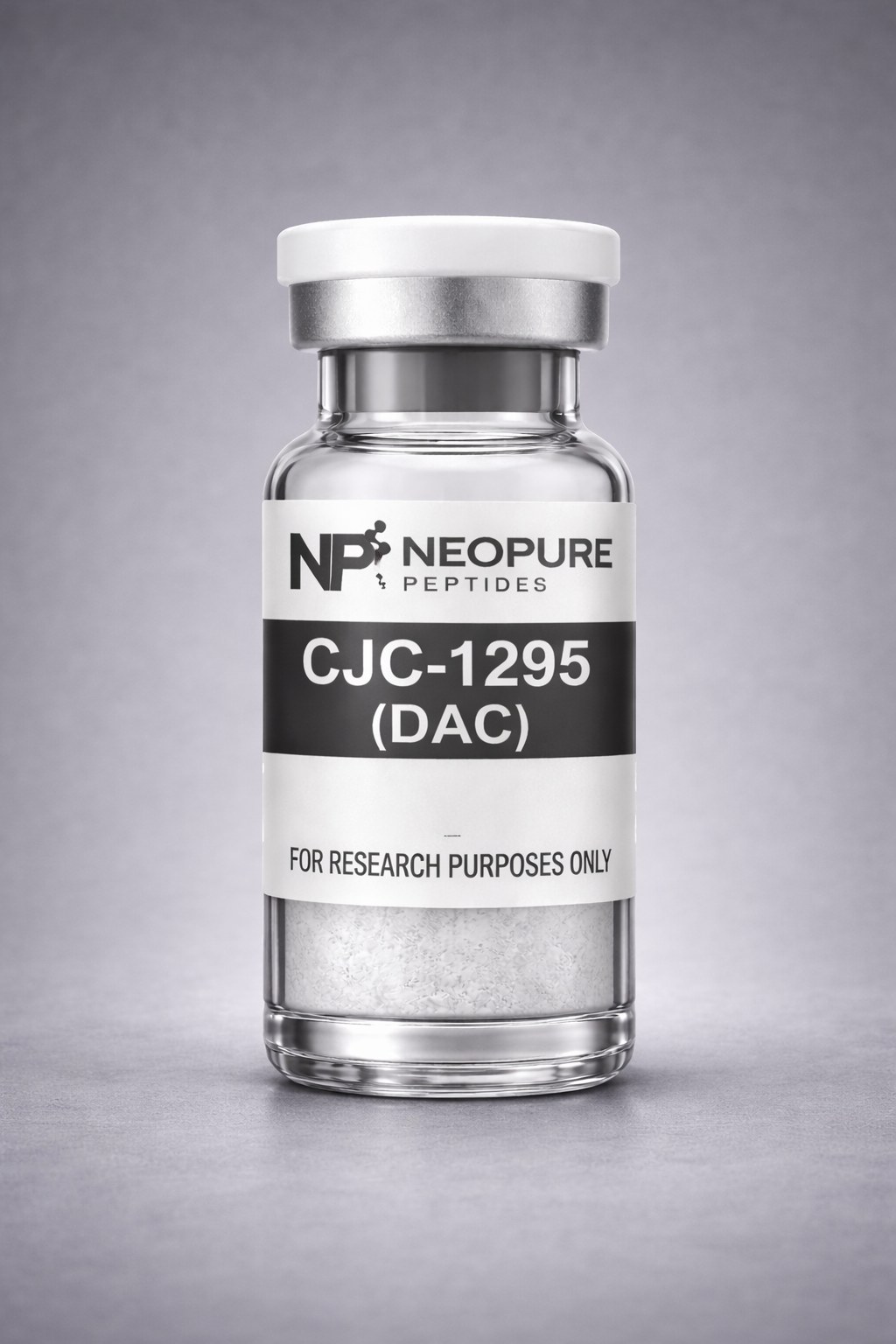
CJC-1295 (with DAC)

Tier 2Research chemical — not approved

CJC-1295 with DAC is the legacy long-acting form the community has largely moved past: convenient weekly dosing, but its sustained GH elevation drew the most prominent safety anecdote of 2026 (Johnson's biomarker worsening) and recurring glucose/water-retention complaints. It persists in the market mainly as a cheaper-per-month alternative, not the recommended protocol.
GH secretagogues↗

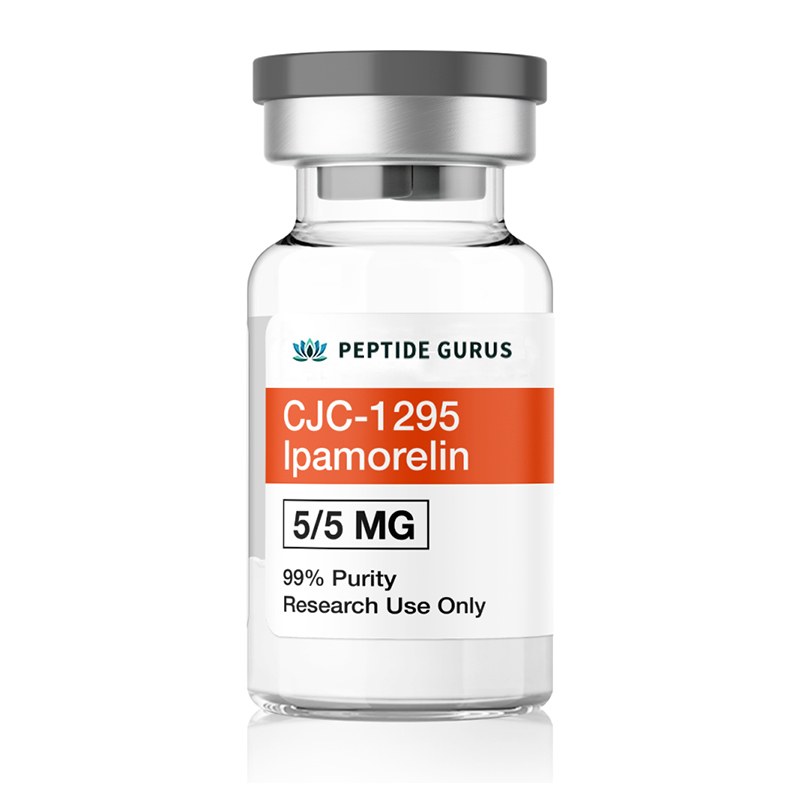
CJC-1295 (no DAC) + Ipamorelin — the stack

Tier 1Research chemical — not approved

The CJC-1295/Ipamorelin stack is the default GH protocol of the 2026 peptide scene — endorsed from clinical-promotional carousels to FB group threads — because it delivers the most-cited sleep and recovery improvements at a fraction of HGH's cost, through a dual-receptor mechanism the community understands well. The trade is injection burden, flushing, and a grey-market supply chain saturated with vendor spam, with no long-term safety data behind the enthusiasm.
GH secretagogues↗

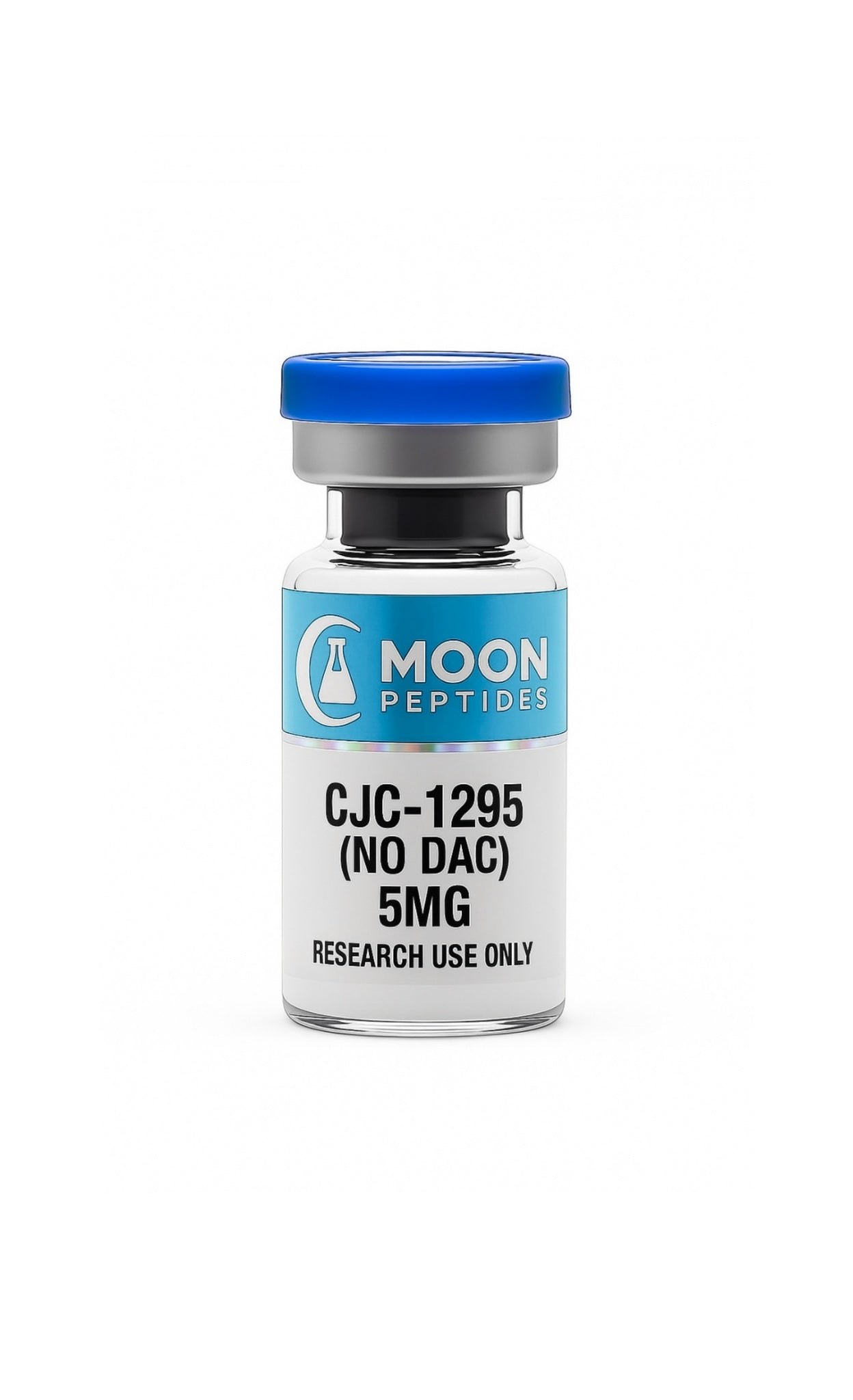
CJC-1295 (no DAC) / Mod GRF 1-29

Tier 1Dietary supplement

CJC-1295 no DAC plus Ipamorelin is the community's default GH-secretagogue stack for sleep, recovery, and body recomposition, with strong anecdotal reporting and one of the most developed crowdsourced dosing consensuses in the peptide scene. Enthusiasm is real but evidence is anecdotal: no long-term safety data, heavy vendor spam noise around sourcing, and dose-related side effects (flushing, water retention) are the main complaints.

GH secretagogues↗

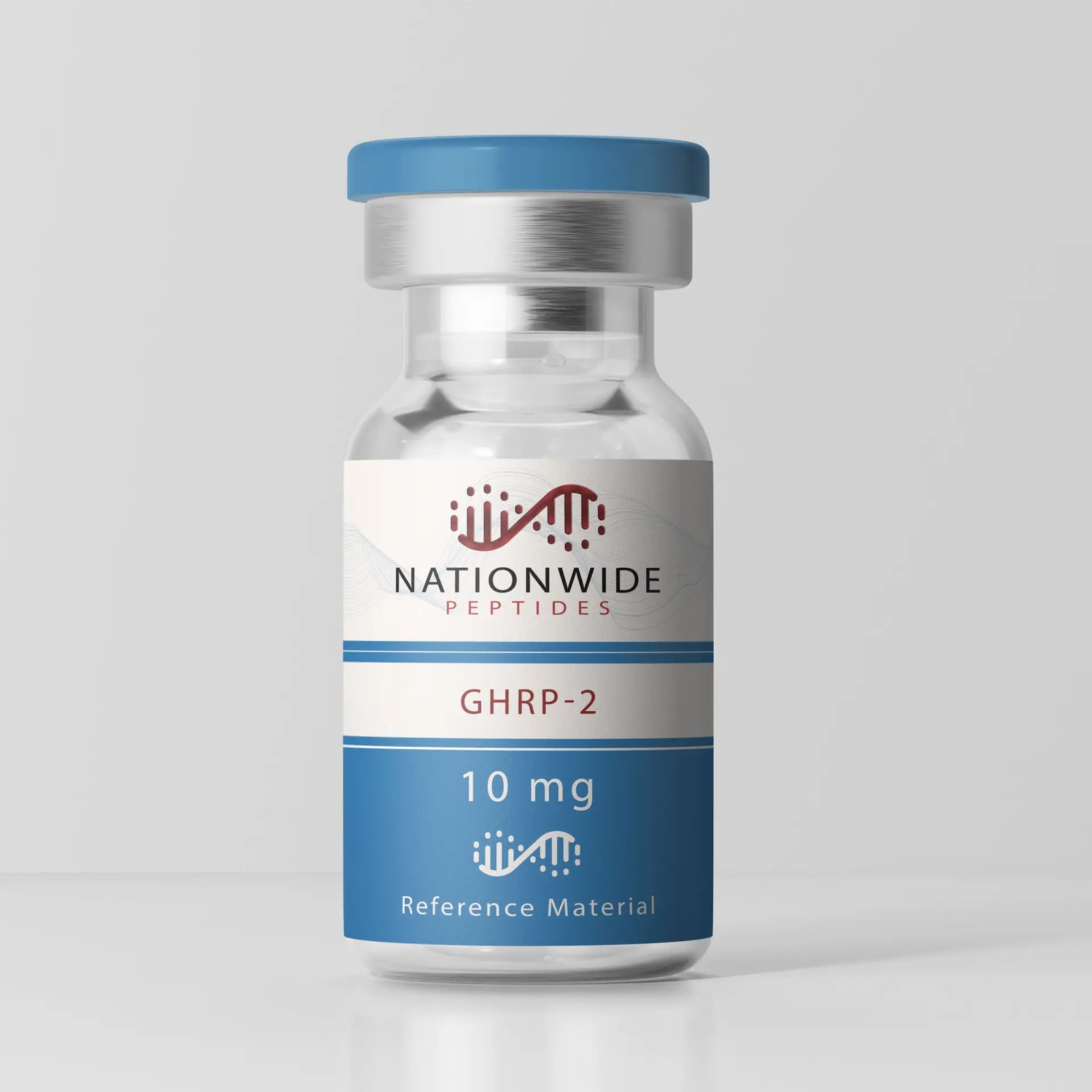
GHRP-2 (Pralmorelin)

Tier 1Research chemical — not approved

GHRP-2 is treated as a legitimate legacy secretagogue — respected for its potency edge over GHRP-6 and lower appetite effect, but largely passed over in 2026 content in favor of ipamorelin, which avoids the cortisol/prolactin baggage. It survives mainly in comparison tables and as a budget stack option paired with a GHRH.

GH secretagogues↗

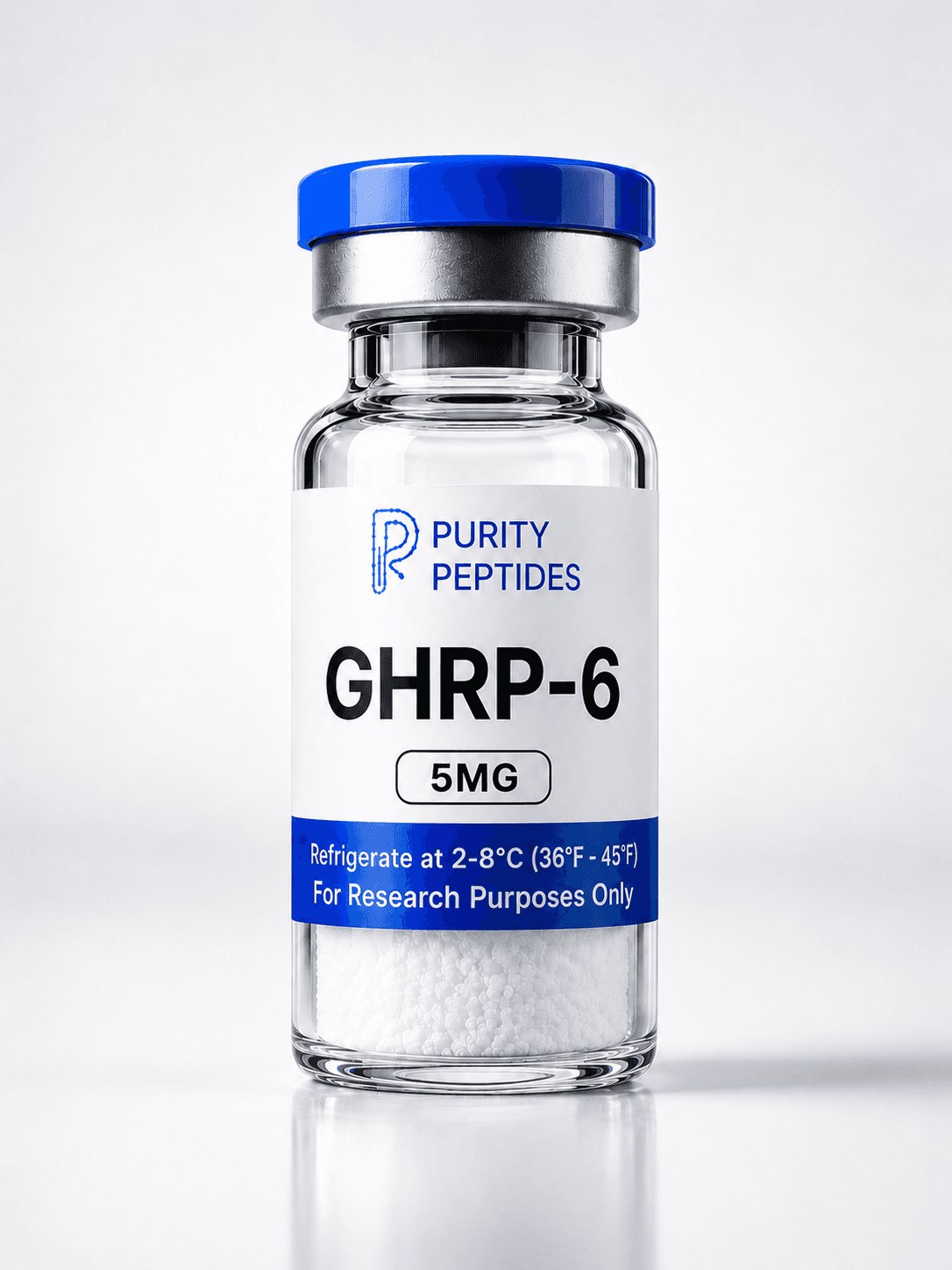
GHRP-6

Tier 2Research chemical — not approved

GHRP-6 is the respected-but-superseded elder of the GHRP family: its appetite stimulation still earns bulking-phase endorsements ("got me huge"), but its cortisol/prolactin baggage and hunger have made ipamorelin the default selective choice, and some creators now call it outright outdated. It remains the cheapest entry point in the GH-secretagogue class, which keeps it circulating in research-chem catalogs.

GH secretagogues↗

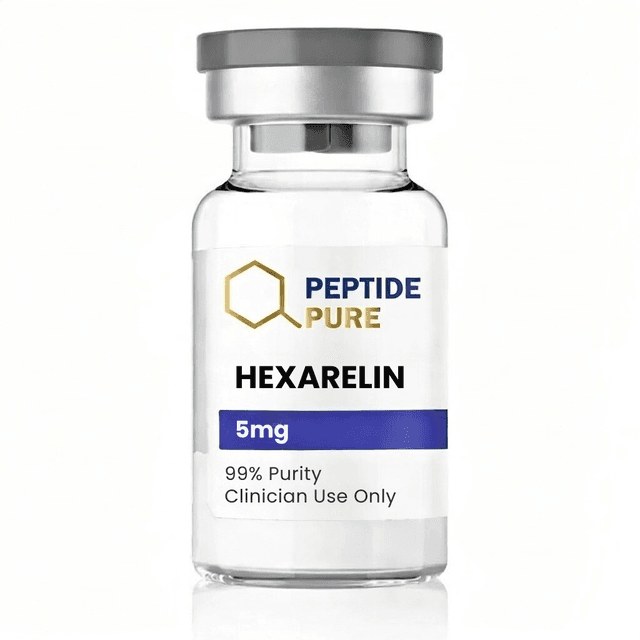
Hexarelin (Examorelin)

Tier 1Research chemical — not approved

Hexarelin carries the "most potent GHRP" crown in community lore and in the vendor content that profits from it, but the consensus is that the crown is expensive: documented desensitization, cortisol/prolactin elevation, and short-cycle-only use keep it as a niche heavy hitter rather than a daily driver. Much of the loudest promotion is vendor-authored.

GH secretagogues↗

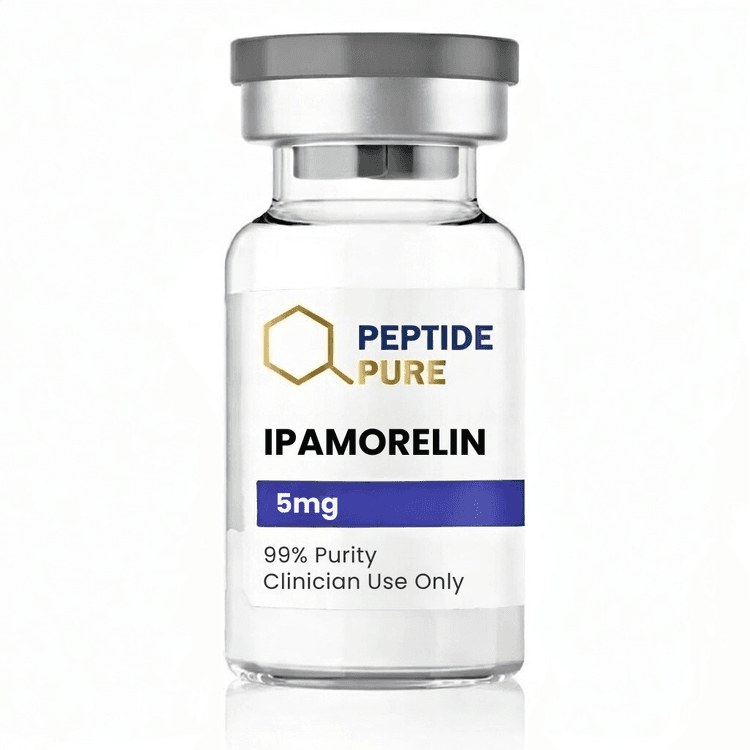
Ipamorelin

Tier 1Research chemical — not approved

Ipamorelin is the community's preferred GHRP precisely because it is the selective one: the clean-pulse reputation (no cortisol/prolactin crosstalk) survived every comparison against GHRP-2/6 and hexarelin, and its pairing with CJC-1295 no DAC became the default stack. Evidence remains anecdotal for outcomes, and the main open pharmacological question — whether long-term use truly desensitizes the ghrelin receptor — is still creator-claim territory.

GH secretagogues↗

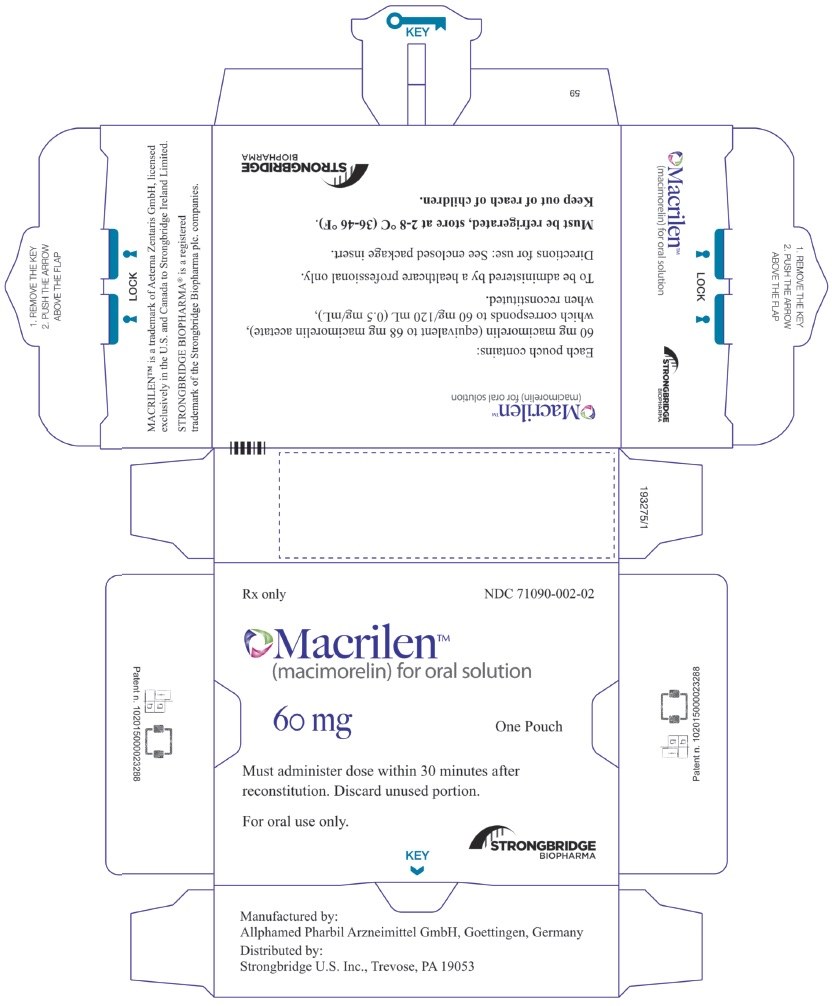
Macimorelin

Tier 3FDA-approved prescription

Macimorelin has no community — and that is the point of including it. It is the credentialed bookend of the ghrelin-agonist family: real FDA approval, real clinical use, zero biohacker adoption, and a $4,400 price tag for a single diagnostic dose.

GH secretagogues↗

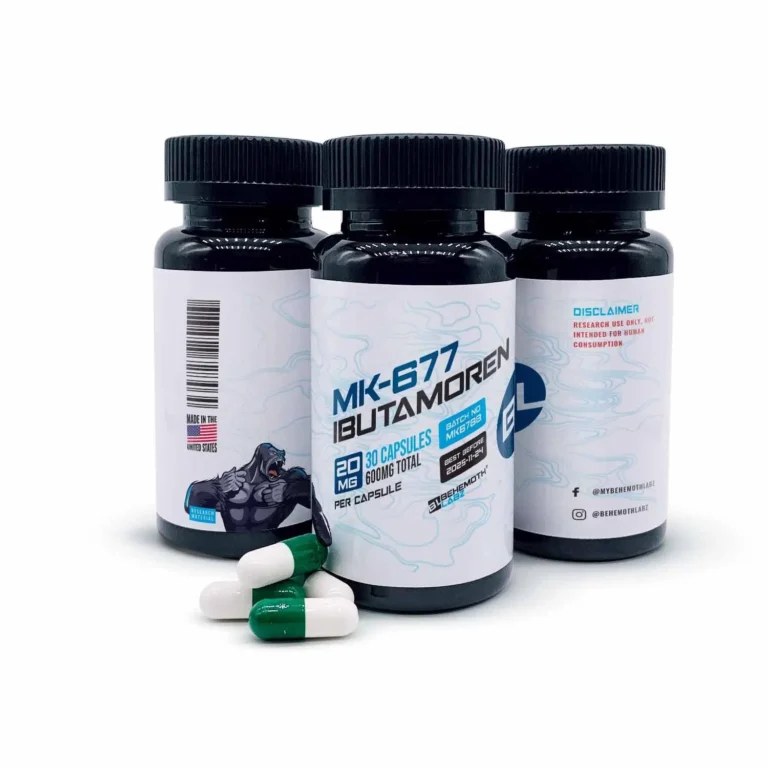
MK-677 / Ibutamoren

Tier 1Research chemical — not approved

MK-677 is the peptide scene's oral shortcut: unmatched discussion volume, genuine appeal (no needles, real appetite and sleep effects), and the worst signal-to-noise ratio in the category — every thread is part testimonial, part diabetes warning, part supplier spam. The community treats it as effective but blunt, with the insulin-resistance question as the unresolved shadow over long-term use.

GH secretagogues↗

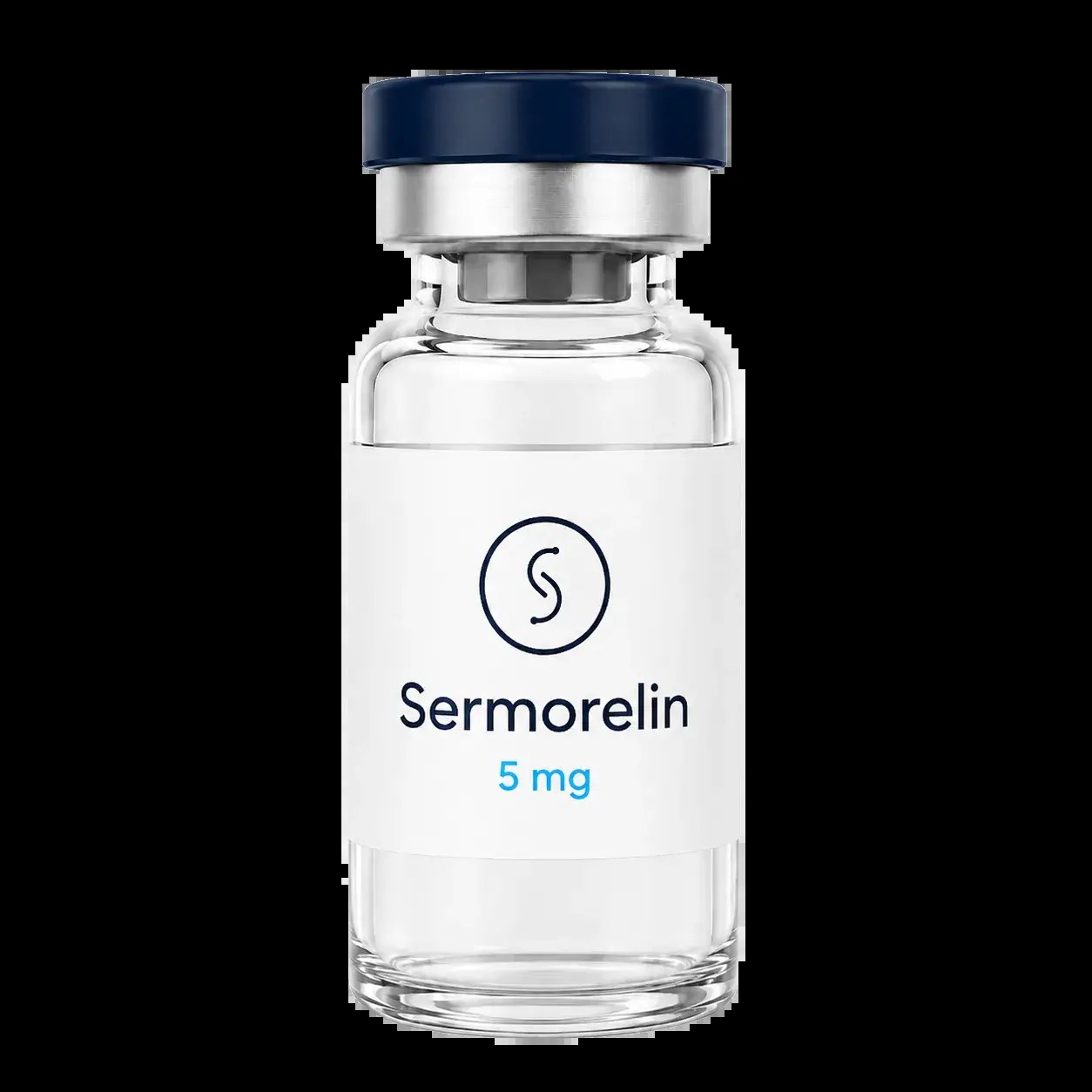
Sermorelin

Tier 1Other

Sermorelin is the community's "safe, gentle, grandfathered" GH peptide — valued for its real clinical history and sleep benefits, and favored for older adults — but consistently ranked the weakest of the GHRH options, with most experienced users recommending it be stacked with a GHRP rather than run alone.

GH secretagogues↗

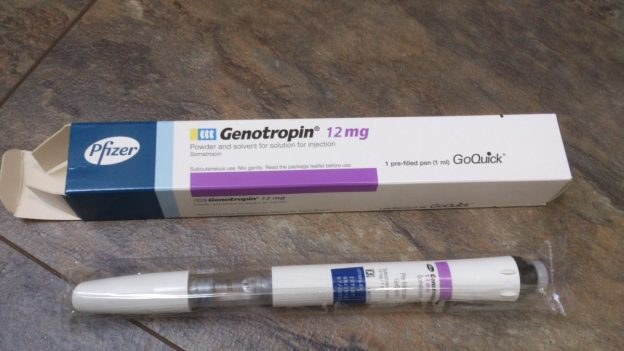
Somatropin (recombinant human GH)

Tier 2Research chemical — not approved

Somatropin is the yardstick, not the contender: everything in this track is measured against direct GH, and the community's verdict is consistent — HGH works more directly but costs an order of magnitude more, carries heavier metabolic and legal baggage, and the black-market supply is a counterfeit minefield. That cost/risk gap is precisely the market window the secretagogues occupy.

GH secretagogues↗

Tesamorelin

Tier 1FDA-approved prescription

Tesamorelin is the community's most credentialed GH secretagogue — real FDA approval, real Phase III fat-loss data — and its "visceral fat peptide" reputation is actively debated as a labeling artifact versus a genuine mechanistic edge over cheaper CJC-1295. The blocker is price: at ~$10k/month for Egrifta, nearly all community use is gray-market, which is exactly where the spam, quality questions, and off-label risk concentrate.

Metabolic & weight loss↗

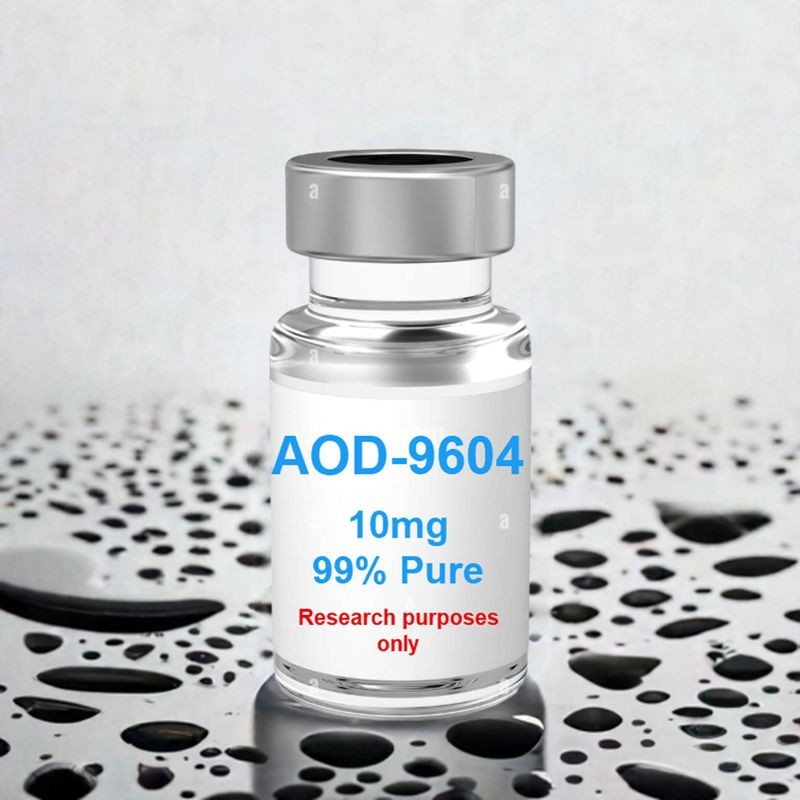
AOD-9604

Tier 3Other

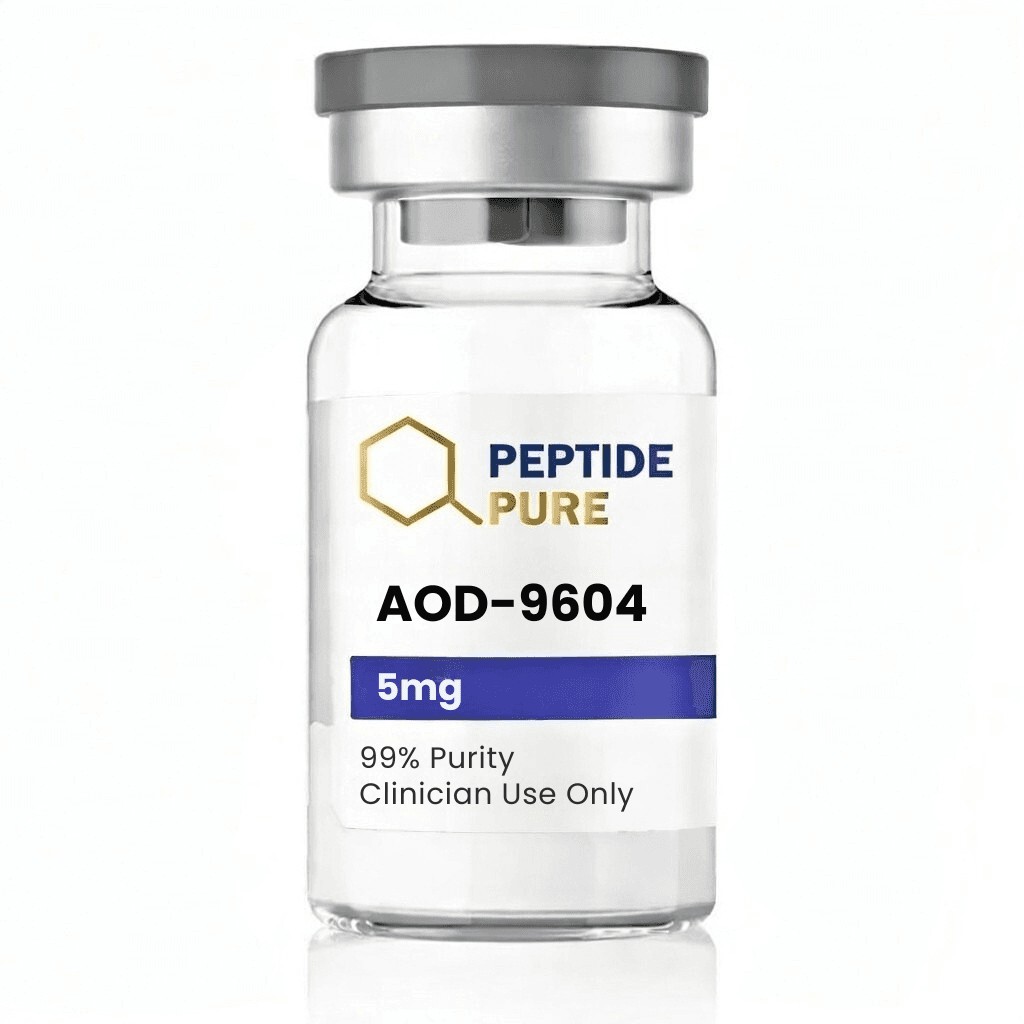
AOD-9604 is the peptide world's cautionary classic: one of the most talked-about fat-loss peptides, yet the conversation skews heavily toward frustration — half the users see little, reconstitution is a running joke ("look at it wrong? gel"), and the actual human trial program failed. Its niche defenders keep it alive for stubborn-fat cycles alongside a GLP-1, with no appetite sides and low cost, but honest community voices rate it a gamble, not a workhorse.

Metabolic & weight loss↗

Cagrilintide

Tier 3Other

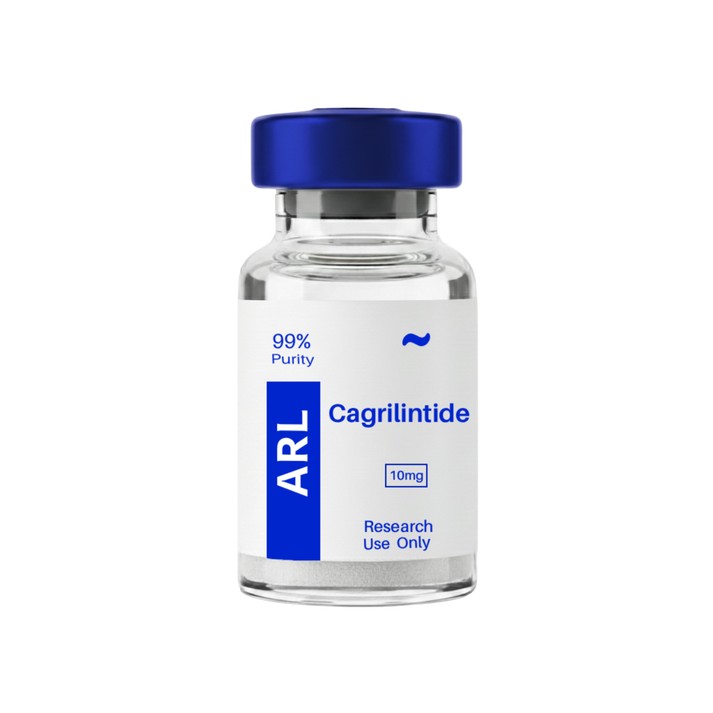
Cagrilintide lives in the peptide world's future tense: it is one of the most discussed amylin-pathway compounds, almost entirely through CagriSema trial readouts and rankings rather than anyone's own vial.
Illustrative laboratory photo · Rhoda Baer (Photographer) · Source · Public domain. Resized.
Metabolic & weight loss↗

CagriSema — Metabolic & Weight Loss Deep Research

Tier 3Other

CagriSema carries the strongest mechanism story in the late-stage obesity pipeline — amylin plus GLP-1 produced the best phase 3 weight-loss figures short of tirzepatide — but the visible community has already priced in disappointment after two readouts missed the ~25% hype number and the head-to-head loss to tirzepatide.

Metabolic & weight loss↗

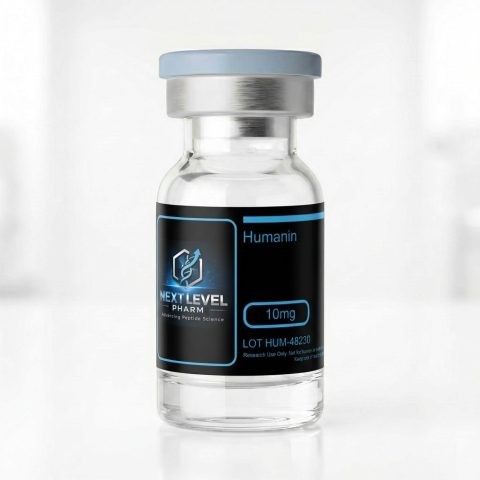
Humanin — Research Dossier

Tier 3Other

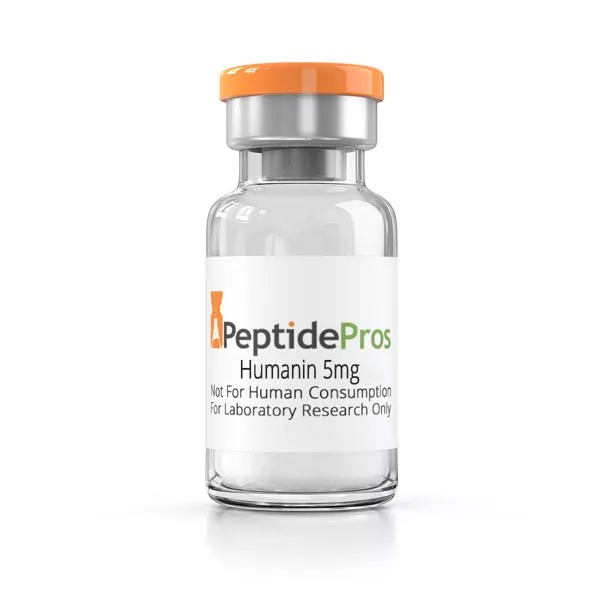
Humanin is a niche mitochondrial peptide with a real but narrow following in longevity and biohacker circles — a practitioner's rotation-list item, not a mainstream peptide.

Metabolic & weight loss↗

Liraglutide — deep research file

Tier 2Other

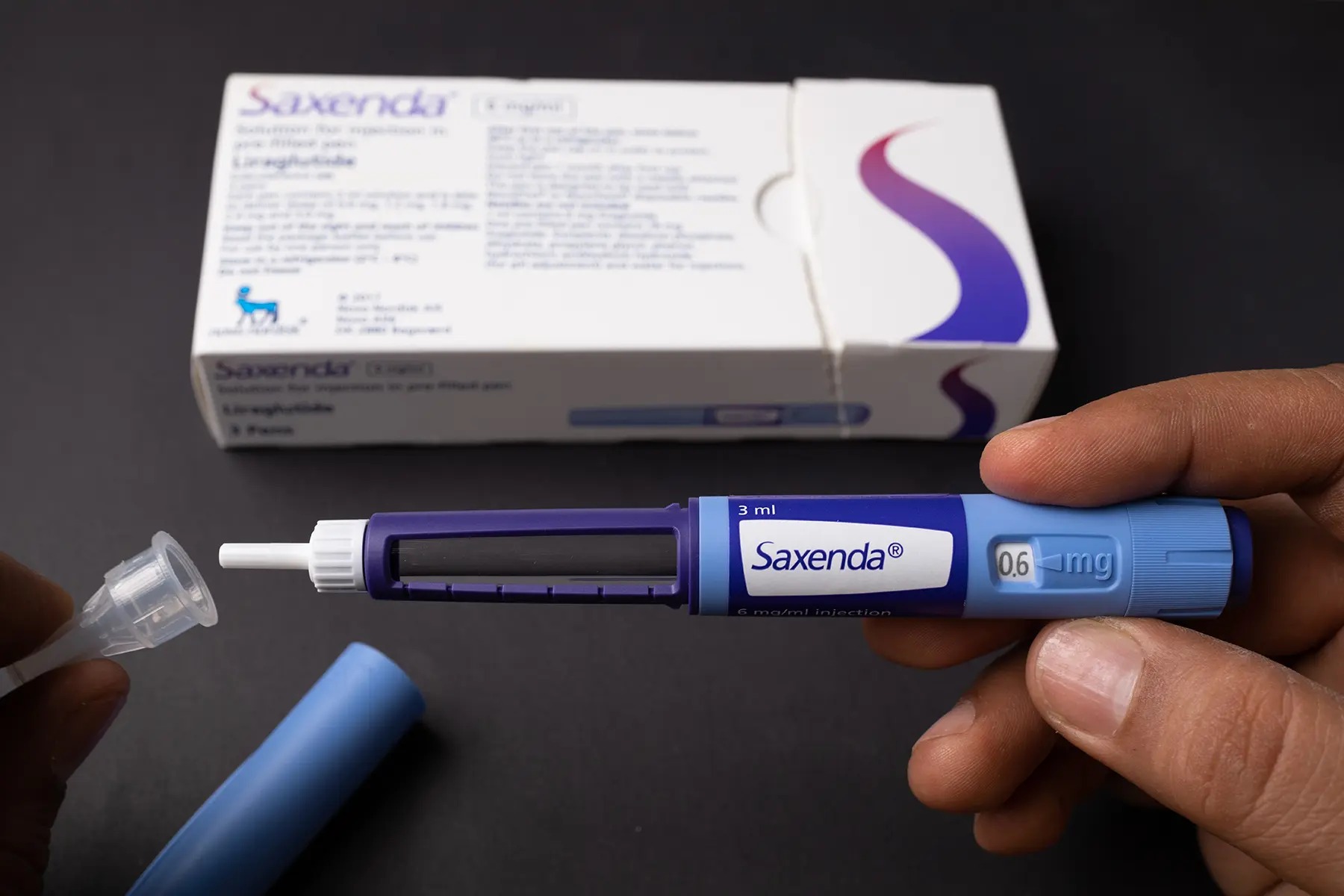
Liraglutide is the affordable workhorse GLP-1: groups confirm it's still being started today, valued for its coverage-friendly price point and long safety record, but the daily shot and weaker weight loss (~8 kg mean in SCALE vs 15%+ on the weeklies) make it a second-line or budget option, not a destination. Generic and compounded entrants in 2025–2026 are reshaping its value story, but actual generic street prices remain unverified.

Metabolic & weight loss↗

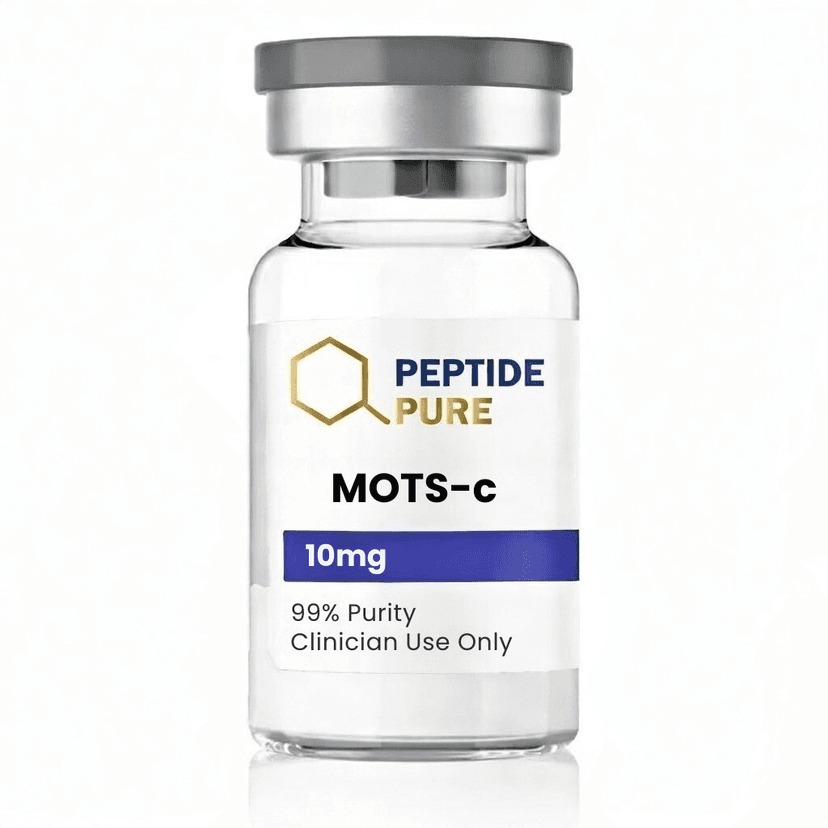
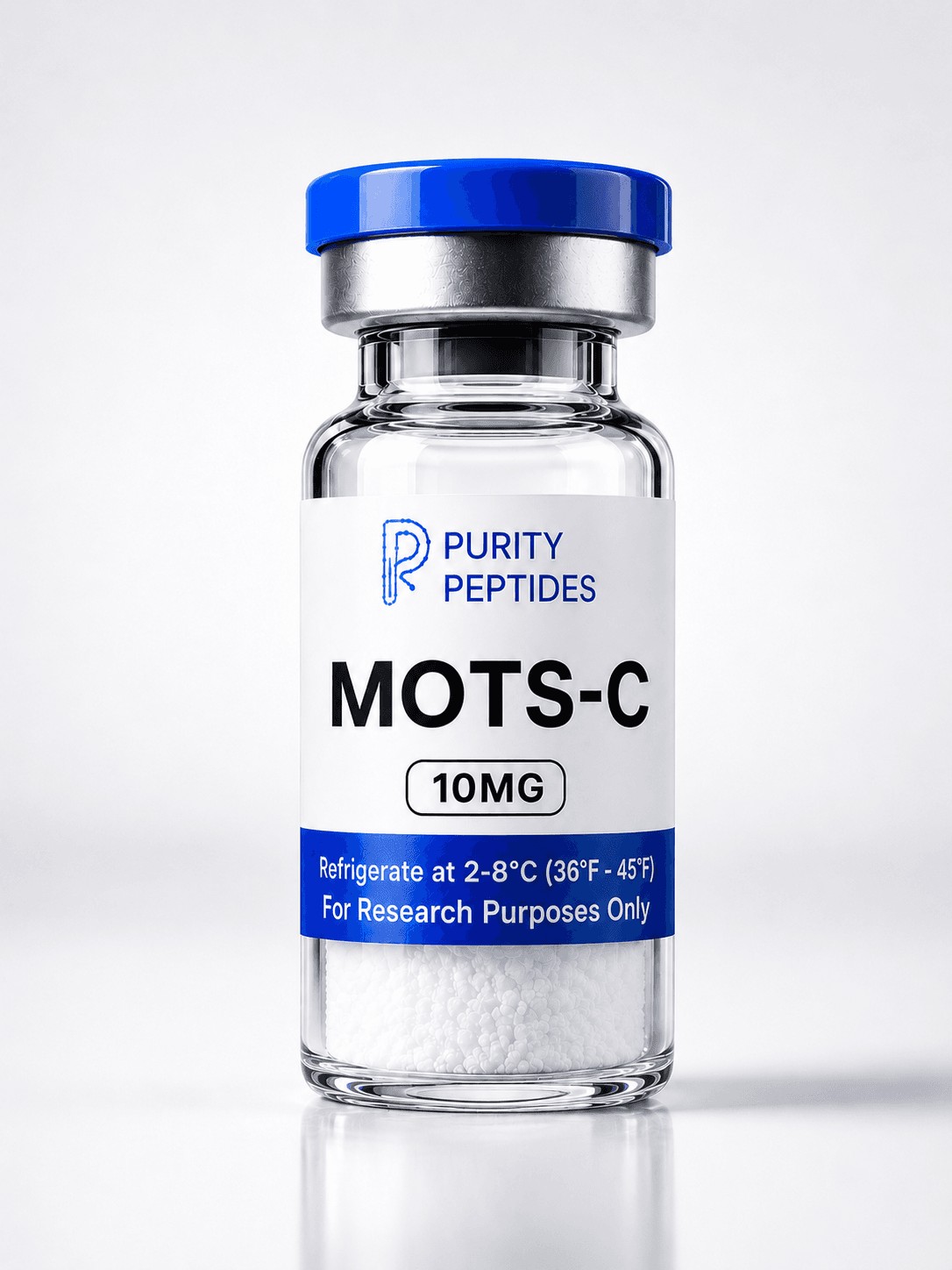
MOTS-c

Tier 3Other

MOTS-c is the most scientifically interesting peptide in this category — real mechanism (mtDNA-encoded, folate–AICAR–AMPK axis), real Phase 1 human data via its CB4211 analog — but its community footprint is thin: no Facebook Group presence and only sparse Threads discussion, with the loudest current voices being TikTok explainers and vendor-affiliated blogs.

Metabolic & weight loss↗

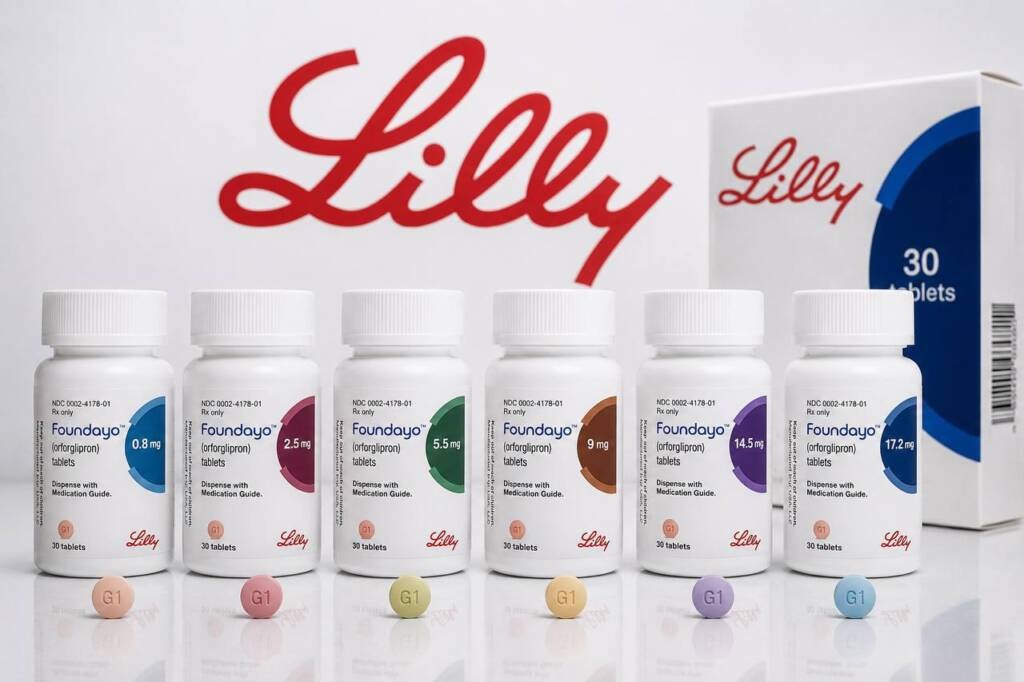
Orforglipron (brand name Foundayo) — Metabolic & Weight Loss

Tier 2Other

Orforglipron/Foundayo is the weight-loss community's most-discussed oral GLP-1 precisely because it removes the friction that kept people off injectables — a daily pill with no food or water rules and published Phase 3 data showing ~12% average weight loss. The open question the community keeps circling is whether oral bioavailability is "good enough" versus shots, and the newest sentiment is simply fatigue at how heavily the brand is being advertised.

Illustrative laboratory photo · Goldmund100 · Source · CC BY-SA 3.0. Resized.

Metabolic & weight loss↗

Pemvidutide (ALT-801)

Tier 3Other

Pemvidutide is the peptide world's "interesting on paper" candidate: respected for best-in-class liver-fat and lipid data with unusually clean tolerability, but the community conversation is almost entirely theoretical — affinity charts, trial readouts, and stock-chart jokes. With no firsthand user reports and no confirmed gray-market supply, it remains a pipeline name to watch rather than a compound the community actually uses.

Metabolic & weight loss↗

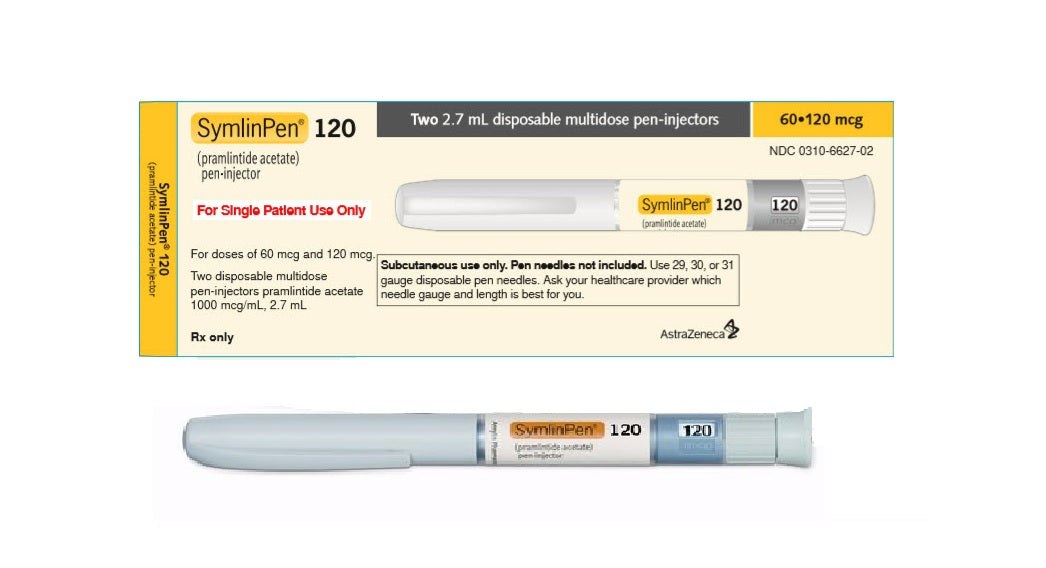
Pramlintide (Symlin®)

UNVALIDATEDOther

Pramlintide is the respected elder of the amylin class: modest, well-documented weight loss and real insulin-sparing effects, but the pre-meal injection timing, early nausea, and severe hypoglycemia risk with insulin keep it a diabetes-clinic drug rather than a biohacking staple. Community interest today is mostly as context for newer amylin drugs (cagrilintide), not as a standalone weight-loss pick.

Metabolic & weight loss↗

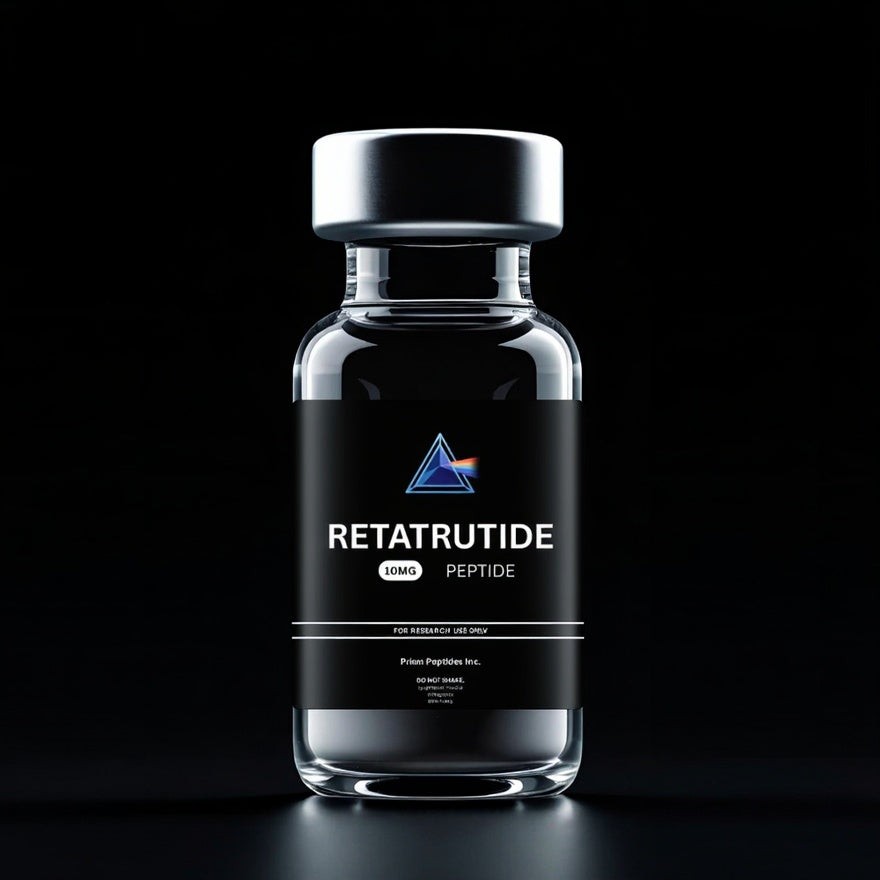
Retatrutide

Tier 2Other

Retatrutide earns its "triple-G" reputation: trial data (−28.3% at 12 mg over 80 weeks) and a flood of self-reported transformations make it the consensus most-effective weight-loss compound in the peptide space. But the community's dominant emotion is no longer excitement — it's verification anxiety: with no legal supply, every vial is a trust exercise, and experienced buyers treat independent lab testing as mandatory.

Metabolic & weight loss↗

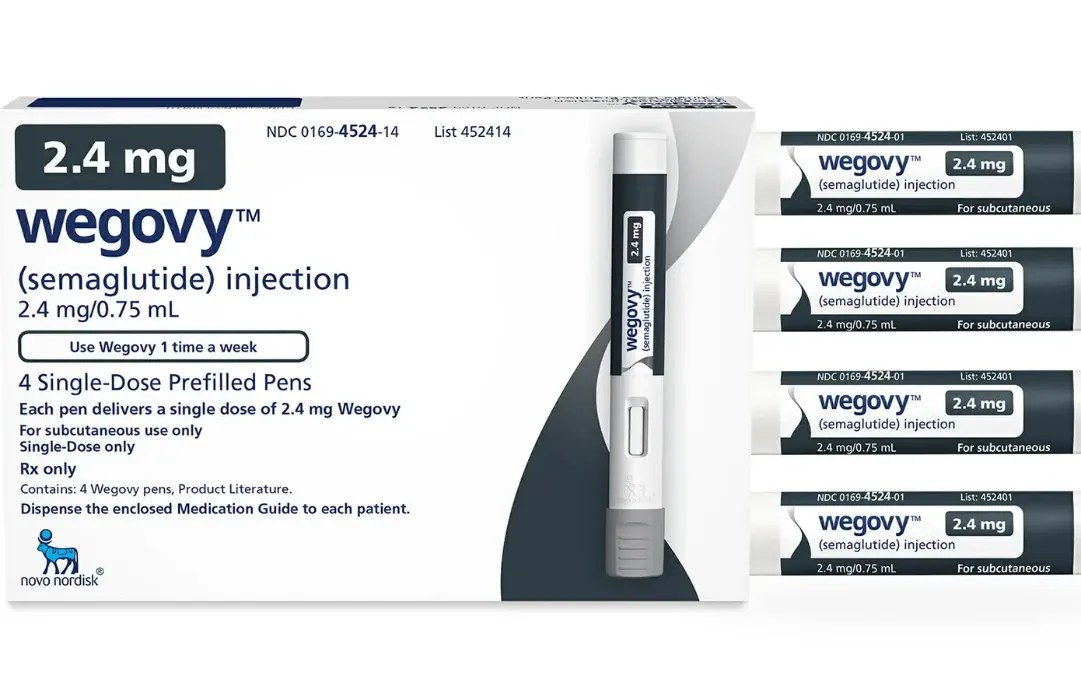
Semaglutide

Tier 2Other

Semaglutide is the reference standard of the GLP-1 era: the one with the deep trial program (STEP), the hard outcomes (SELECT, FLOW), and the largest real-world user base — and the community treats it as such, with practical titration wisdom rather than hype. The persistent community complaints are cost/access and GI side effects during dose escalation, plus real anxiety about lifelong use given weight regain after stopping.

Metabolic & weight loss↗

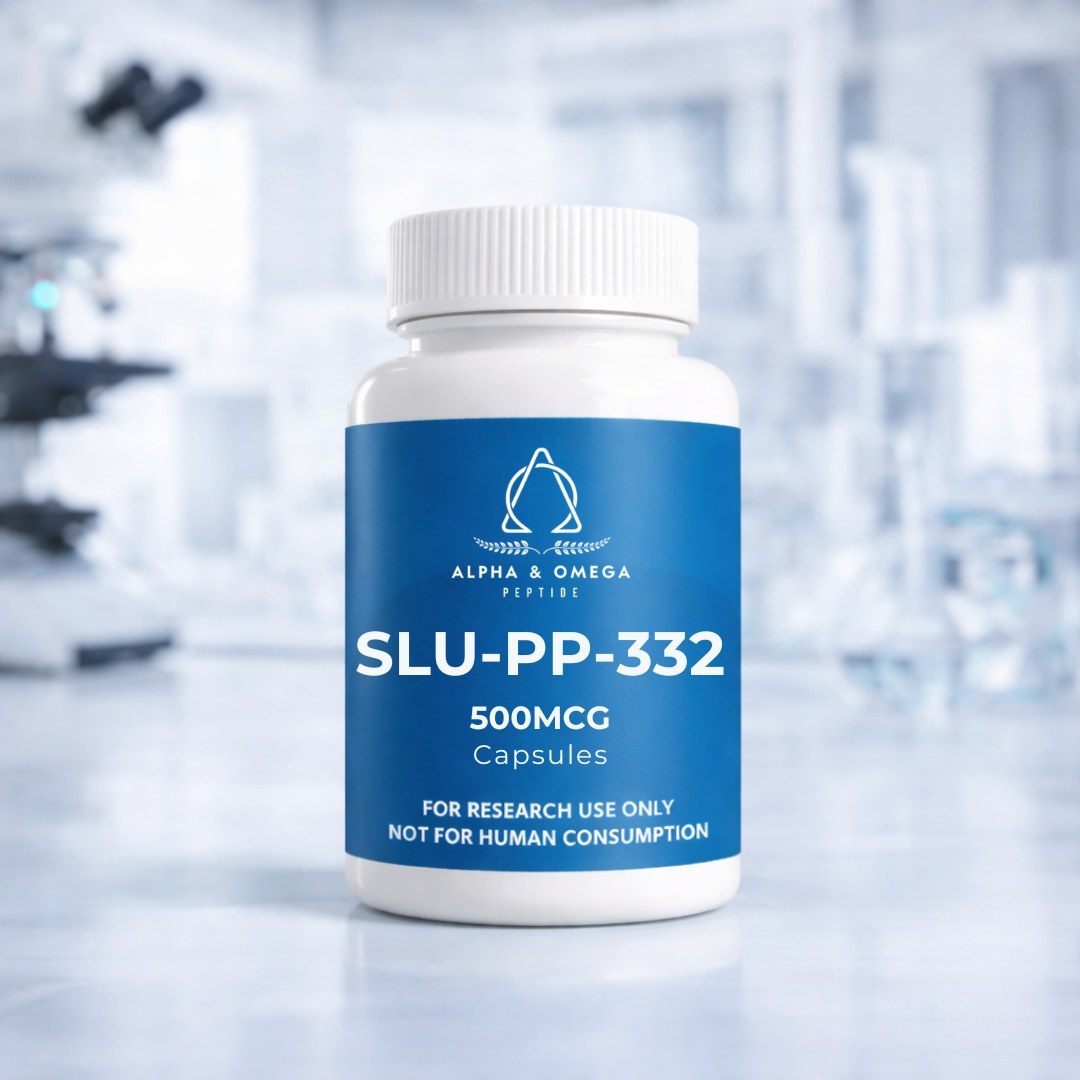
SLU-PP-332

Tier 3Other

SLU-PP-332 is 2026's favorite exercise-mimetic story: the mouse data is genuinely striking and the "exercise in a pill" framing travels well on Threads and Reddit. But the experienced-user consensus is sobering — oral bioavailability looks poor, the effective human dose is unknown, microgram capsules are likely underdosed theater, and even enthusiasts hedge every claim as speculative. Interesting research story; unproven human compound.

Metabolic & weight loss↗

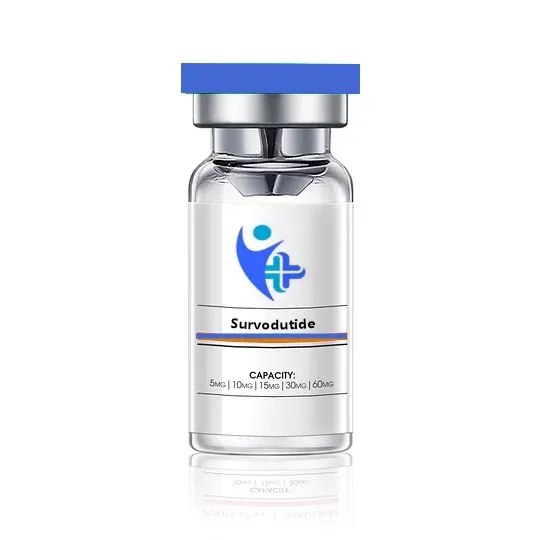
Survodutide (BI 456906)

UNVALIDATEDOther

Survodutide has earned a genuine cult following among dual-agonist experimenters as the "cleaner" retatrutide alternative — prized for liver-fat data and a reputation for less heart-rate elevation. But the honest community read is that its appetite suppression underwhelms next to tirzepatide, and dosing it aggressively produces exactly the heart-rate and nausea problems it was supposed to avoid. Trial data is strong; street verdict is "interesting, not a replacement."

Metabolic & weight loss↗

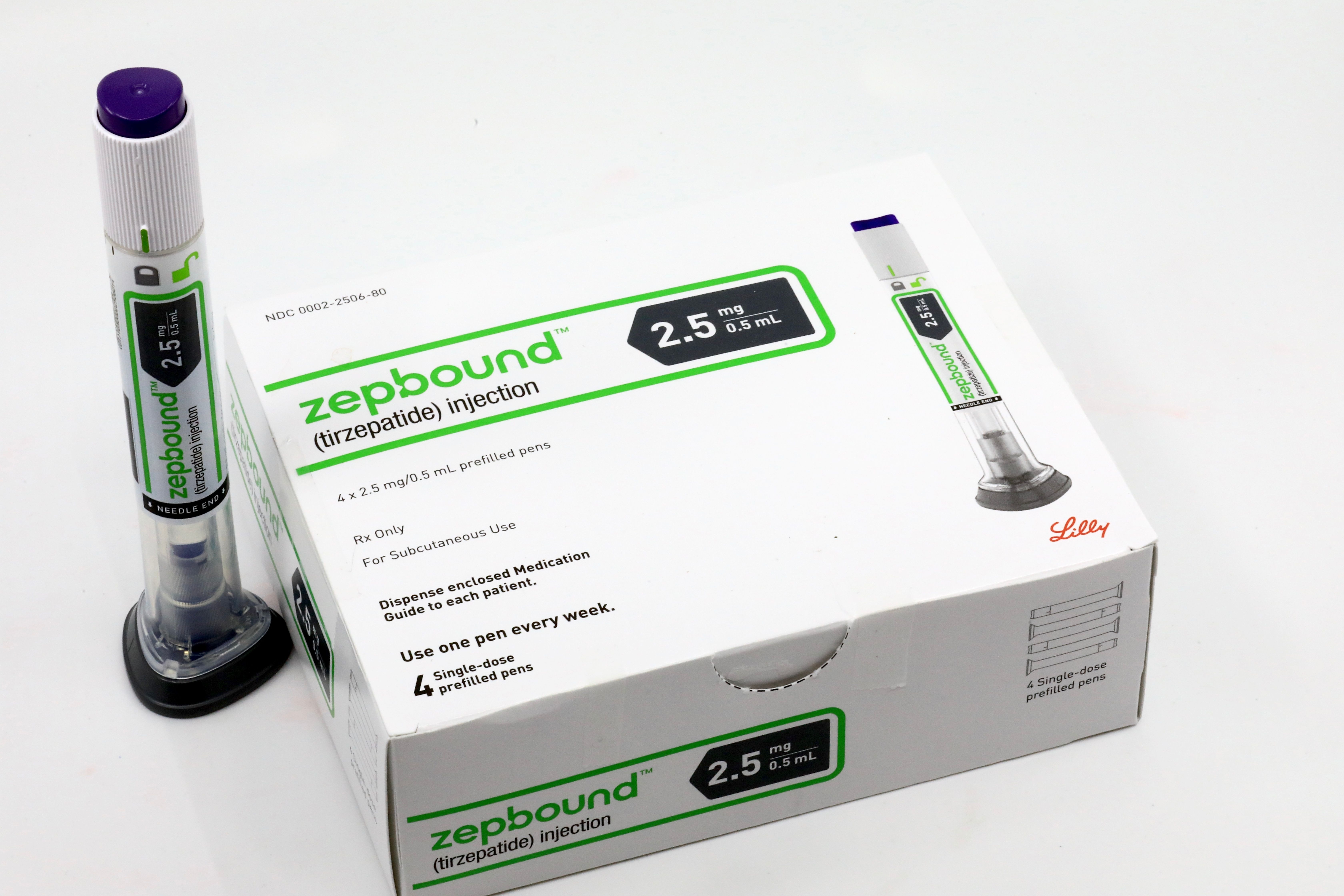
Tirzepatide — Deep Research (Metabolic & Weight Loss)

Tier 2Other

Facebook communities and Drugs.com reviewers broadly rate tirzepatide as the most effective current weight-loss medication, with the appetite/"food noise" effect described as life-changing by many; GI side effects — especially nausea, sulfur burps, and diarrhea — are common, dose-related, and the main reason people quit or refuse dose increases.

Illustrative laboratory photo · Maggie Bartlett, NHGRI · Source · Public domain. Resized.

Cognitive & nootropic↗

Adamax — Deep Research (Cognitive & Nootropic)

Tier 3Other

Adamax is a frontier SKU riding Semax's reputation with thinner evidence, thinner discussion, and a vendor identity problem — sellers don't agree on what molecule they're selling. The few community voices describe it as "Semax but longer-lasting," but there is no human data to check that against, and the price spread ($50–$140 for the same 10 mg) reflects markup chaos more than quality tiers.

Illustrative laboratory photo · Rhoda Baer (Photographer) · Source · Public domain. Resized.

Cognitive & nootropic↗

Cerebrolysin

Tier 1Other

Cerebrolysin is the category's heavyweight: the only item with real pharmaceutical manufacturing, randomized trial evidence, and a large polarized user base reporting both meaningful recovery effects and real adverse events. For healthy nootropic use, the community consensus is that benefits are real but modest relative to cost and injection burden, and the "miracle brain-grower" framing is overhyped marketing riding on disease-recovery data.

Illustrative laboratory photo · Goldmund100 · Source · CC BY-SA 3.0. Resized.

Cognitive & nootropic↗

Cortexin

Tier 2Other

Cortexin is a legitimate, long-registered Russian neurotrophic drug with essentially no English-language community footprint: no hype, no complaint threads, no dosing lore surfaced in this session. It reads as a quiet importer item bought on the strength of its Geropharm registration rather than on social proof. Anyone treating it as "validated" is relying on regulatory history in Russia, not on community experience.

Illustrative laboratory photo · Maggie Bartlett, NHGRI · Source · Public domain. Resized.

Cognitive & nootropic↗

Dihexa — Deep Research (Cognitive & Nootropic)

Tier 3Other

Dihexa is the category's highest-ceiling, lowest-floor bet: a genuinely interesting preclinical synaptogenic mechanism (picomolar HGF/c-Met activity, BBB penetration) wrapped in zero human data, a split anecdote record (weeks-to-benefit vs. mood-swing discontinuation), and a theoretical cancer-pathway question nobody can answer. The community's honest position: powerful folklore, no validation, treat as experimental pharmacology, not a nootropic.

Cognitive & nootropic↗

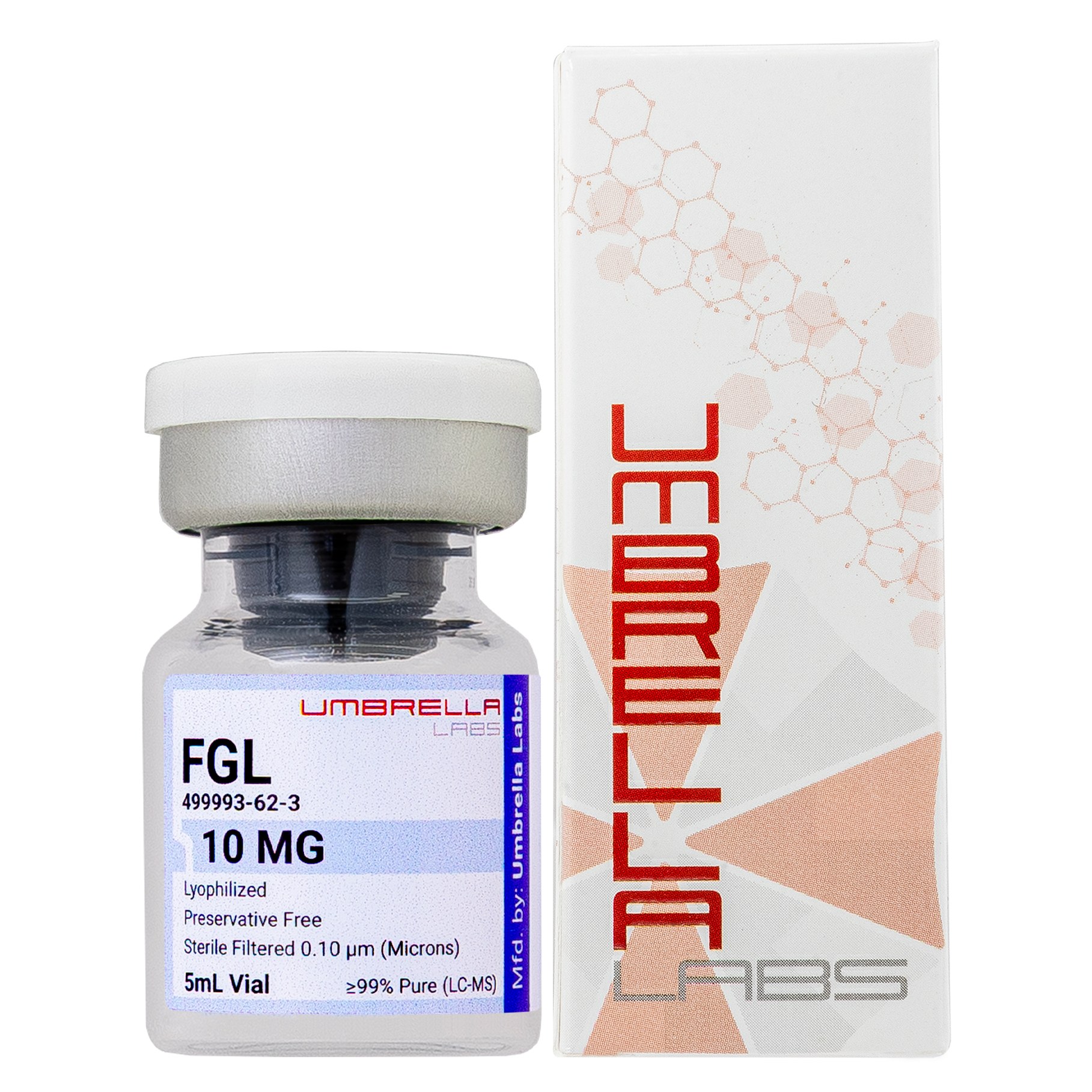
FGL Peptide — Deep Research (Cognitive & Nootropic)

Tier 3Other

FGL is the category's museum piece: a beautiful preclinical mechanism (LTP, synaptic plasticity, neuroprotection in rodents) with one decade-old anecdote and no human data whatsoever. The community stopped talking about it around 2014 and never came back. Interesting to researchers; not a product with a user base.

Illustrative laboratory photo · Rhoda Baer (Photographer) · Source · Public domain. Resized.

Cognitive & nootropic↗

N-Acetyl Selank — Deep Research (Cognitive & Nootropic)

Tier 3Other

Almost nobody in the community discusses this analog on its own merits — the Selank conversation is overwhelmingly about the native molecule. Vendors sell it as "Selank but longer-lasting and injectable," but the only evidence that matters (human trials) belongs to the native molecule, and the analog's headline specs (200–300-min half-life) come from vendor copy, not published research.

Cognitive & nootropic↗

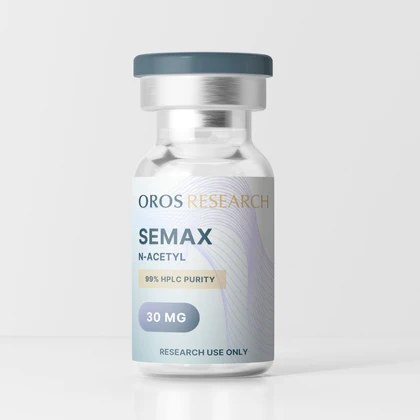
N-Acetyl Semax (NA-Semax) — Deep Research (Cognitive & Nootropic)

Tier 3Other

NA-Semax is the community's "smoother Semax" — chemically plausible longer action, a real anecdote trail, and a consistent reputation for being subtler and less edgy than the base molecule. But it is Tier-3 evidence: no clinical file, no published human comparison against base Semax, and a market where the name on the label often doesn't match the analog in the bottle.

Cognitive & nootropic↗

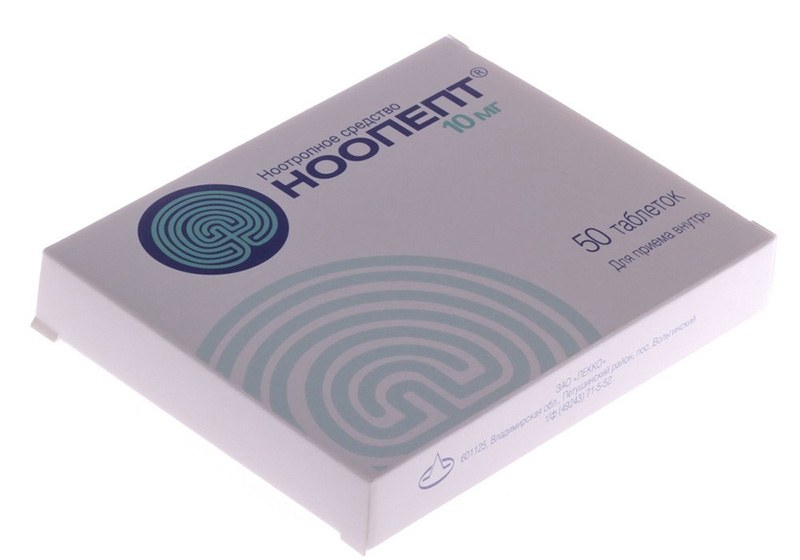
Noopept — Deep Research (Cognitive & Nootropic)

Tier 2Other

Noopept is the category's honest workhorse: cheap, widely tried, genuinely split in outcome. The community's settled view is that it is a real cognitive tool for a subset of users (focus, verbal fluency, memory), a headache machine for another subset (fixable with choline, per folklore), and a non-event for a third.

Illustrative laboratory photo · Goldmund100 · Source · CC BY-SA 3.0. Resized.

Cognitive & nootropic↗

P21 (P-21 / P021)

Tier 3Other

P21 sits at the speculative edge of the category: a genuinely interesting preclinical neurogenic mechanism (CNTF-fragment, LIF inhibition) wrapped in zero human data and explicit community caution. Enthusiasts track it, almost nobody reviews it, and the honest consensus is "approach with extreme caution" — it is a research chemical, not a nootropic with a safety record.

Cognitive & nootropic↗

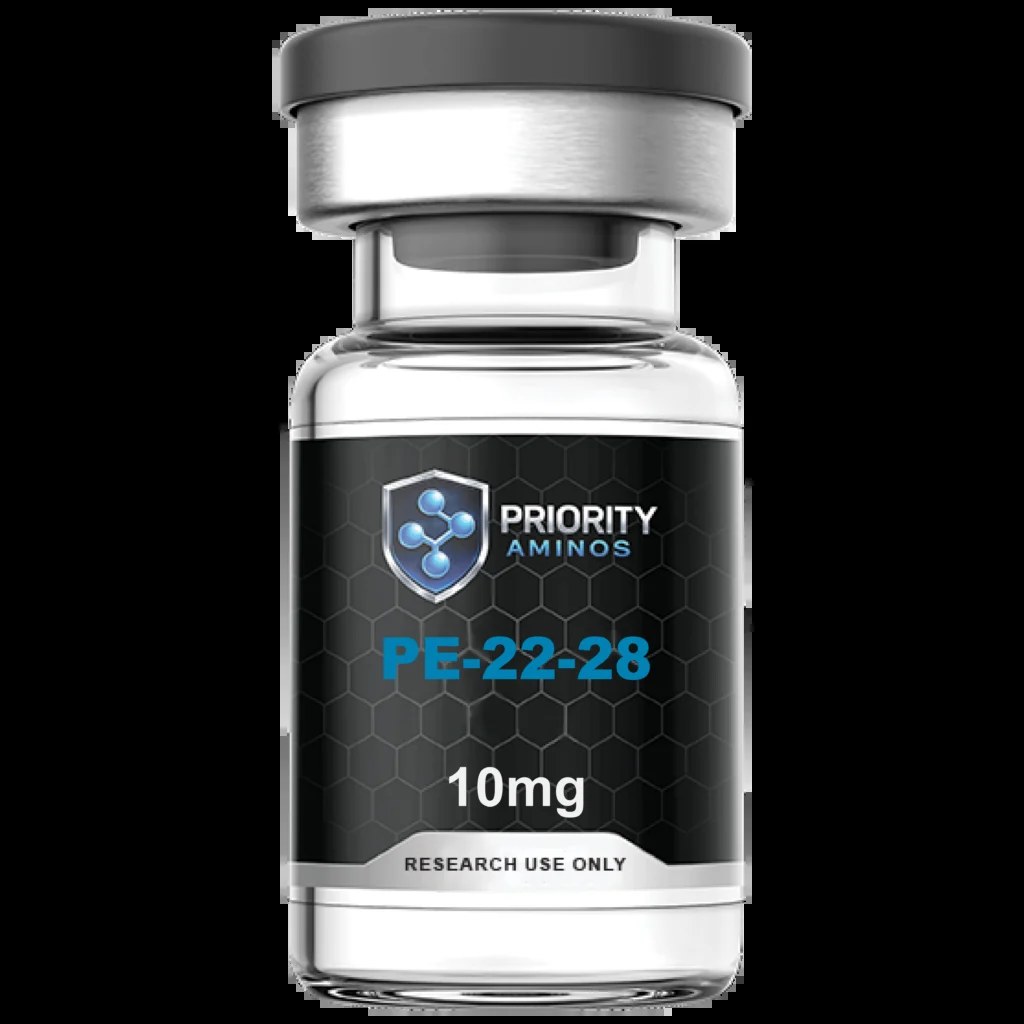
PE-22-28 — Deep Research (Cognitive & Nootropic)

Tier 3Other

PE-22-28 is the category's purest "mechanism story" stock: a crisp, well-documented preclinical rationale (TREK-1 inhibition at 0.12 nM, spadin lineage, rodent antidepressant behavior) with essentially no human community behind it yet. It earned its place in this track on social-pulse grounds — vendors and creators are talking about it — but the honest verdict is curiosity, not confidence. It belongs on a watchlist, not in a stack.

Cognitive & nootropic↗

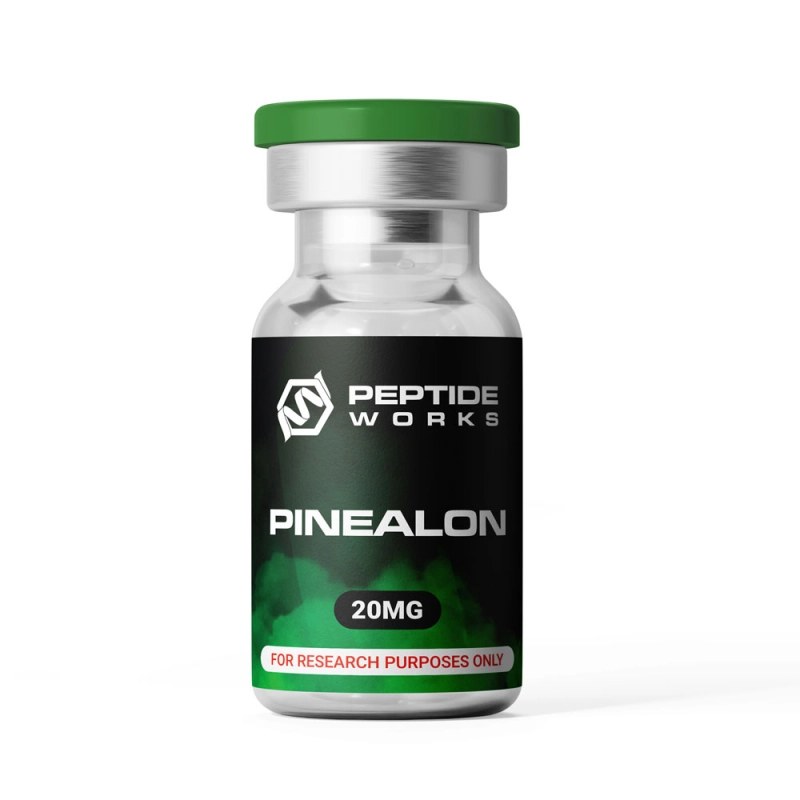
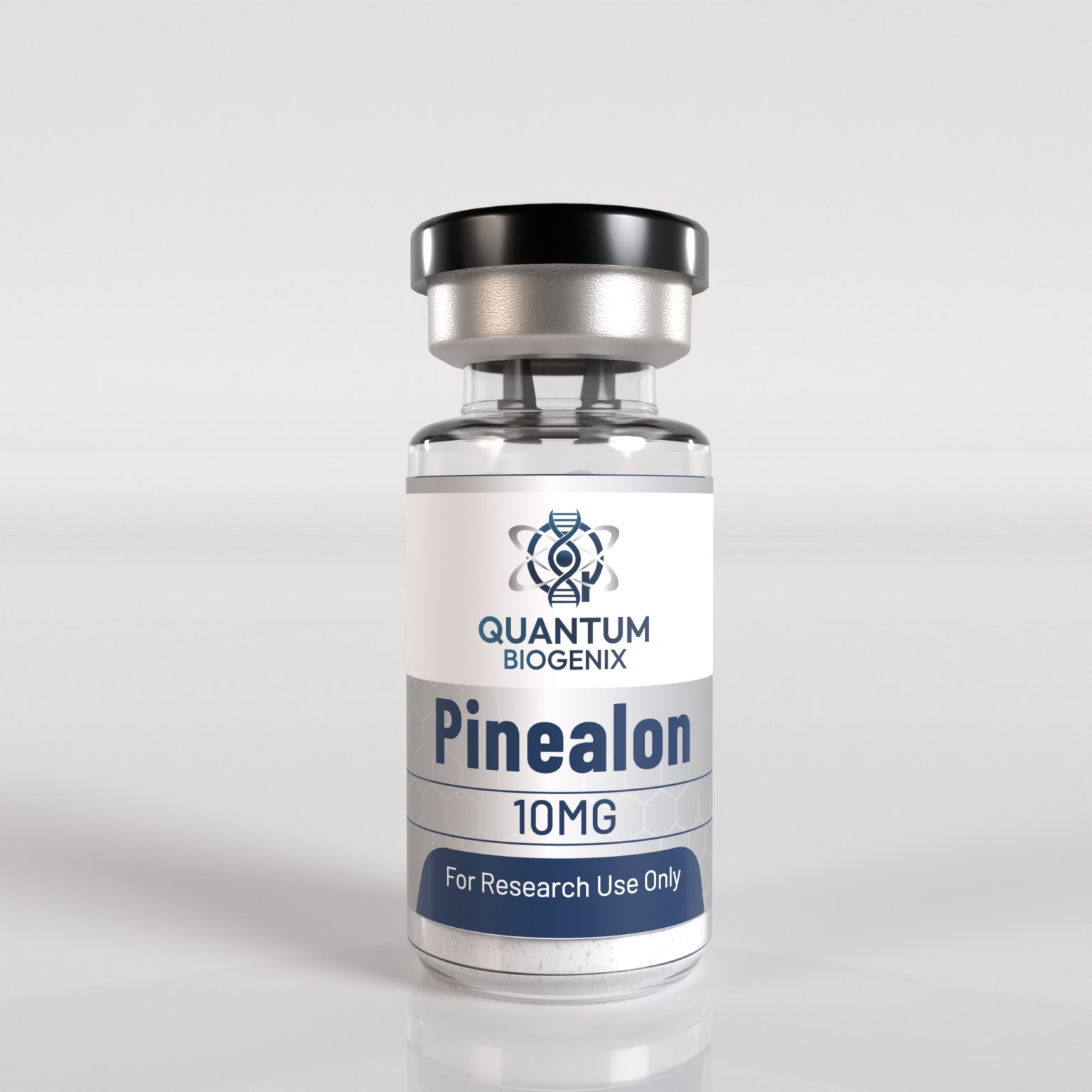
Pinealon — Deep Research (Cognitive & Nootropic)

Tier 3Other

Pinealon is the category's quiet bioregulator: consistent identity, mid-range pricing, a small sincere anecdote lane (sleep, mood, clarity), and no human data whatsoever. Nobody hates it because almost nobody has tried it at scale; nobody can vouch for it for the same reason. The honest position: interesting short-peptide mechanism on paper, UNVALIDATED in humans, priced fairly for a frontier SKU.

Cognitive & nootropic↗

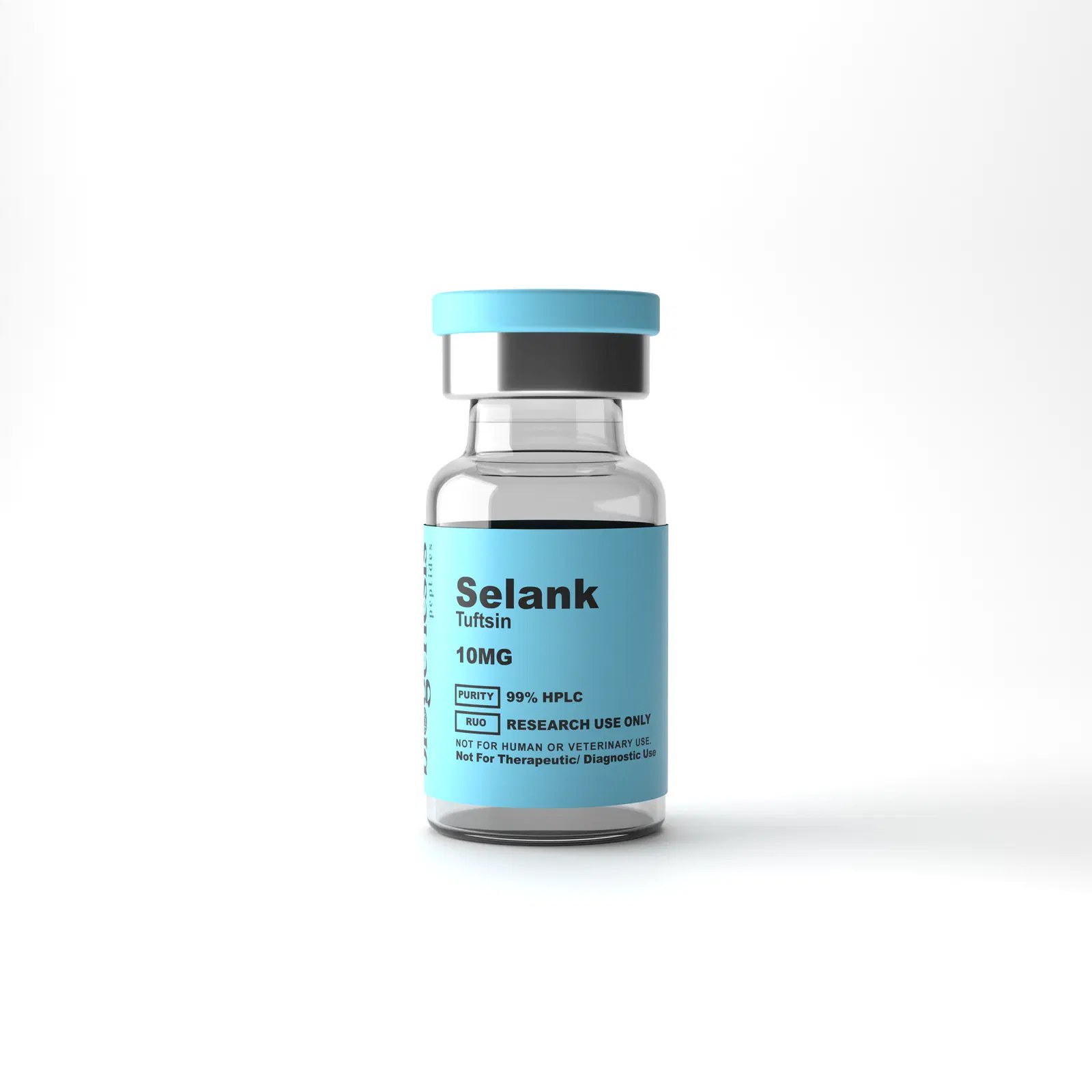
Selank — Deep Research (Cognitive & Nootropic)

Tier 2Other

Almost nobody in the community discusses this analog on its own merits — the Selank conversation is overwhelmingly about the native molecule. Vendors sell it as "Selank but longer-lasting and injectable," but the only evidence that matters (human trials) belongs to the native molecule, and the analog's headline specs (200–300-min half-life) come from vendor copy, not published research.

Cognitive & nootropic↗

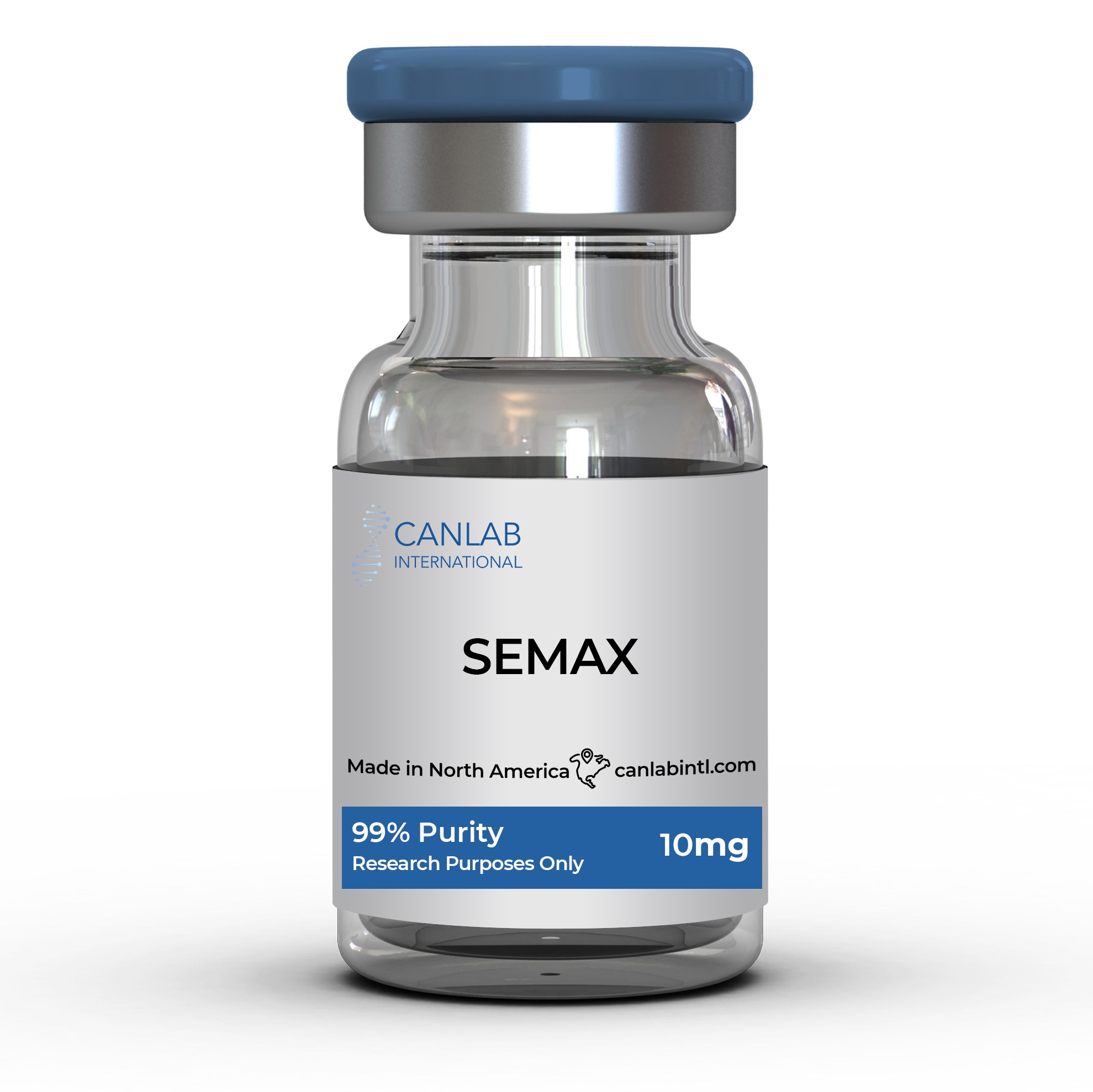
Semax — Deep Research (Cognitive & Nootropic)

Tier 1Other

NA-Semax is the community's "smoother Semax" — chemically plausible longer action, a real anecdote trail, and a consistent reputation for being subtler and less edgy than the base molecule. But it is Tier-3 evidence: no clinical file, no published human comparison against base Semax, and a market where the name on the label often doesn't match the analog in the bottle.

Skin, hair & cosmetic↗

Acetyl Tetrapeptide-3 (Capixyl)

Tier 3Cosmetic ingredient

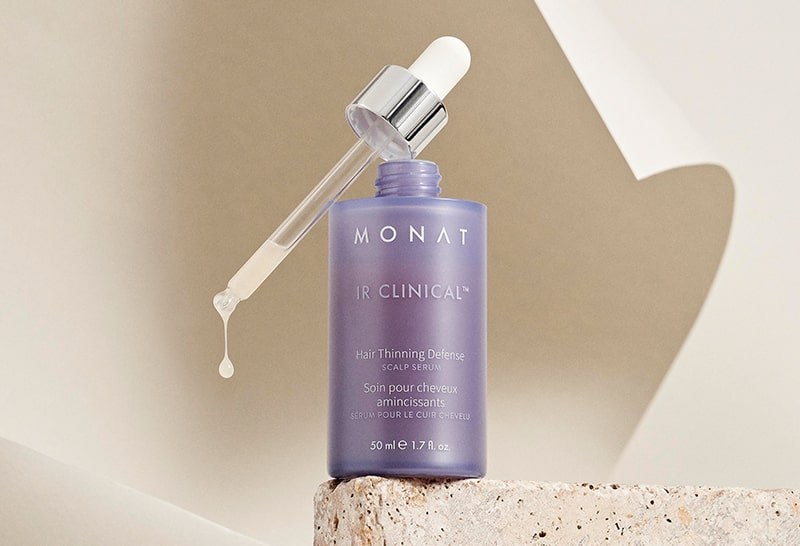
Capixyl is the most socially real of the hair-peptide complexes and the most honestly scoped by its own community: Tressless regulars will grant it reduced shedding and better-looking hair while refusing — correctly — to call it regrowth. At Indian-market prices it is a cheap cosmetic experiment; at Western prestige prices you are paying for the story.

Skin, hair & cosmetic↗

Argireline (Acetyl Hexapeptide-8)

Tier 1Cosmetic ingredient

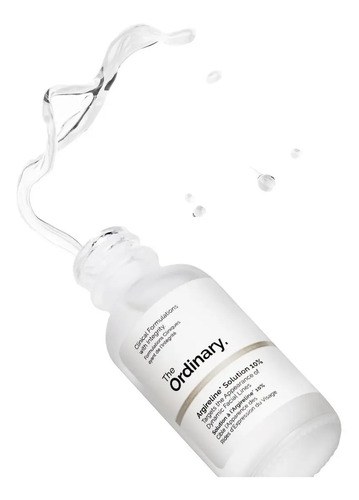
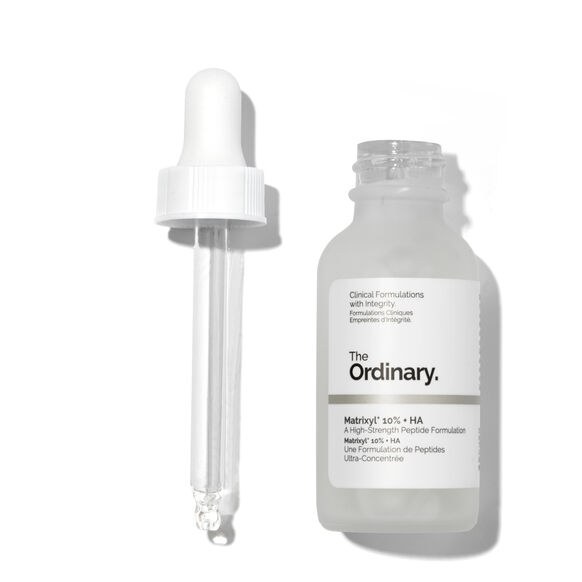
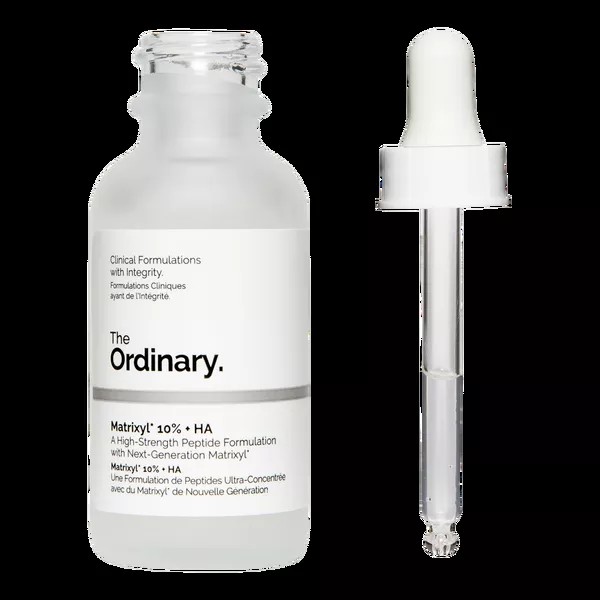
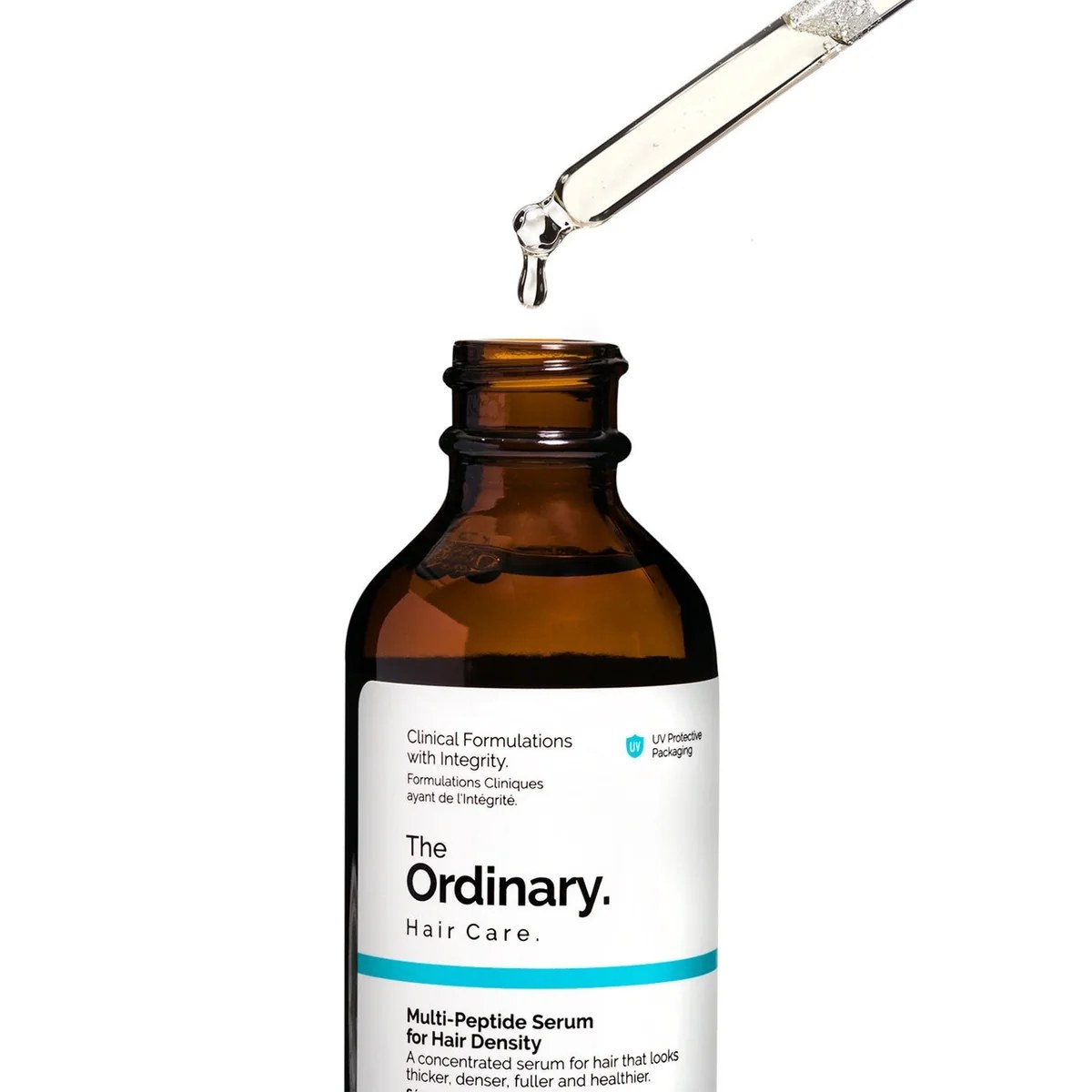
Argireline is the most honestly priced experiment in cosmetic peptides: at ~$10, even skeptics consider The Ordinary's solution a reasonable trial, and some users do report visible softening of expression lines. Nobody in the credible professional camp — including the dermatologists who discuss it most — treats it as a Botox replacement; the "Botox in a bottle" frame is 25-year-old marketing that the delivery science has never caught up with.

Skin, hair & cosmetic↗

Biotinoyl Tripeptide-1 (Widelash / Procapil component)

Tier 3Cosmetic ingredient

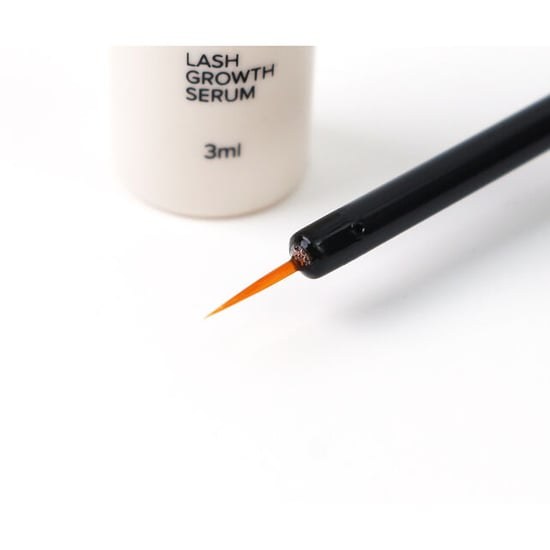
Biotinoyl Tripeptide-1 is a supporting actor with a surprisingly honest press record: reviewers who disclose affiliates still tell you it takes months and regrows nothing dramatic. The lash-serum market around it is a minefield of white-label tubes with identical claims, which is the real buyer trap — not the ingredient.

Skin, hair & cosmetic↗

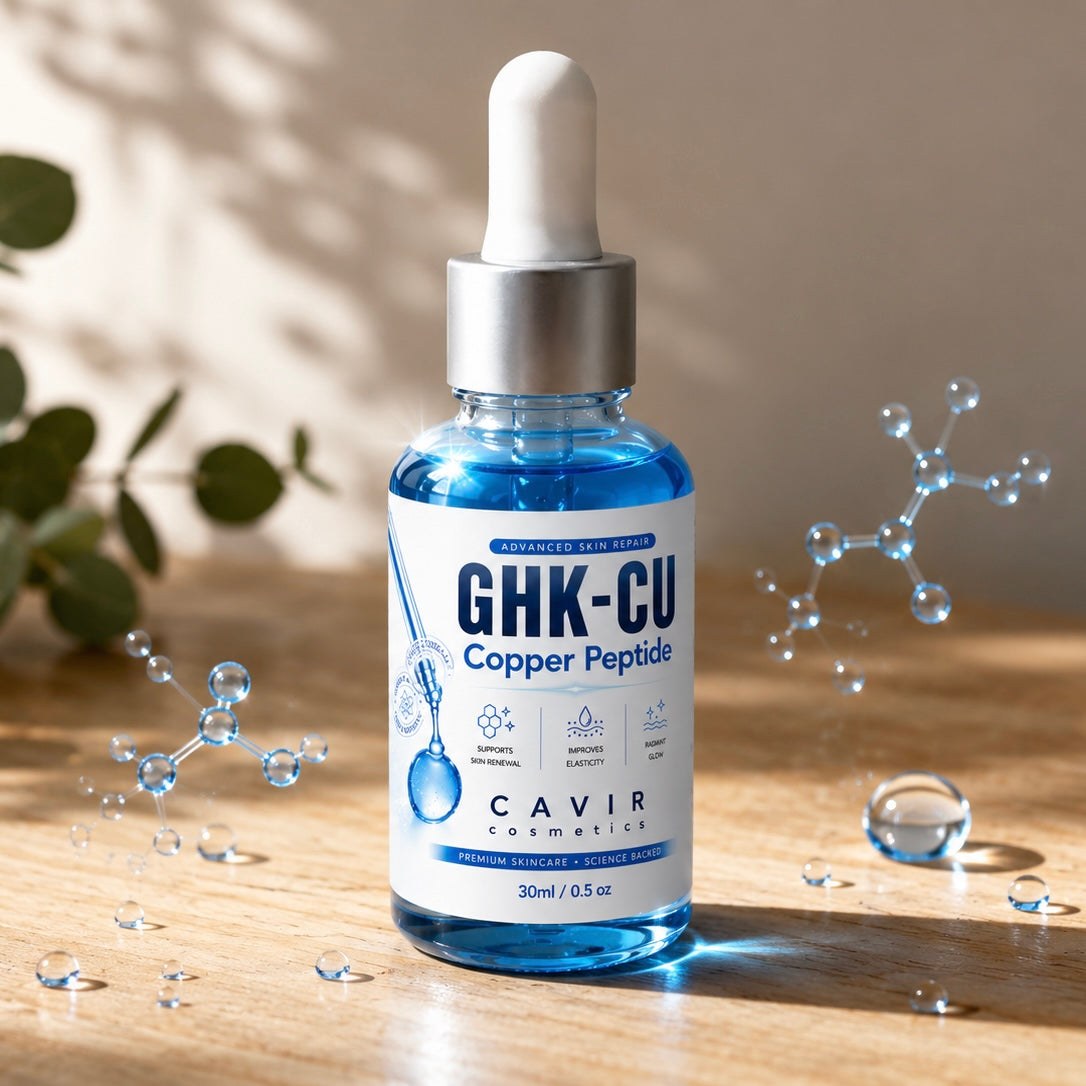
GHK-Cu (Copper Tripeptide)

Tier 1Cosmetic ingredient

GHK-Cu is the most socially validated cosmetic peptide in this set: real users report visible skin improvement on a weeks-to-months timeline, and a large bloc of dermatologists engages with it seriously as a topical. The "copper uglies" breakout phase is the single most consistent community report.

Skin, hair & cosmetic↗

Hexapeptide-11

Tier 3Cosmetic ingredient

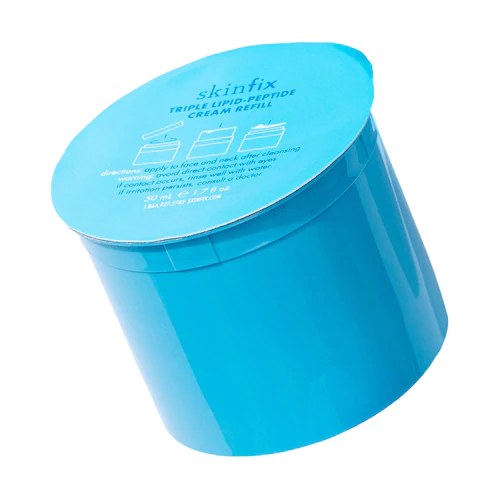
Hexapeptide-11 is a passenger, not a driver: it rides inside good moisturizers and gets none of the credit and none of the blame. The honest verdict is the products' verdict — Skinfix's barrier cream and Mádara's night cream are well-reviewed *formulas*, and nothing in the public record isolates this peptide's contribution.

Skin, hair & cosmetic↗

Matrixyl 3000 — Palmitoyl Tripeptide-1 + Palmitoyl Tetrapeptide-7 Combo

Tier 2Cosmetic ingredient

Matrixyl 3000 is the Matrixyl the community actually talks about in 2026 — carried by genuine neck-wrinkle testimony on Threads, K-beauty retinal combos, and a wave of paid FCL reels — but the paid-to-organic ratio is lopsided: the loudest buzz is affiliate marketing, and the sharpest voices (Cynthia Garcia's FB reel) endorse it only "with an asterisk" because every impressive number traces back to Sederma's own data.

Skin, hair & cosmetic↗

Matrixyl (Palmitoyl Pentapeptide-4) — Classic Cosmetic Anti-Wrinkle Peptide

Tier 2Cosmetic ingredient

Matrixyl is the boring, reliable elder of cosmetic peptides: verified buyers repurchase it for its gentleness, affordability, and a subtle plumping effect — while honest reviewers admit most of what they see could be hydration. Marketing leans on Sederma's own decades-old study data, which the community's skeptics (e.g.

Skin, hair & cosmetic↗

Myristoyl Pentapeptide-17 (SymPeptide XLash)

Tier 3Cosmetic ingredient

Myristoyl Pentapeptide-17 is the lash world's honest Rorschach test: the same INCI produces raves and shrugs, and the best reviewers admit they cannot separate it from the formulas it ships in. Condition-and-plumpness claims hold up better than length claims; irritation is real for a minority.

Skin, hair & cosmetic↗

Nonapeptide-1 (Melanostatine-5)

Tier 3Cosmetic ingredient

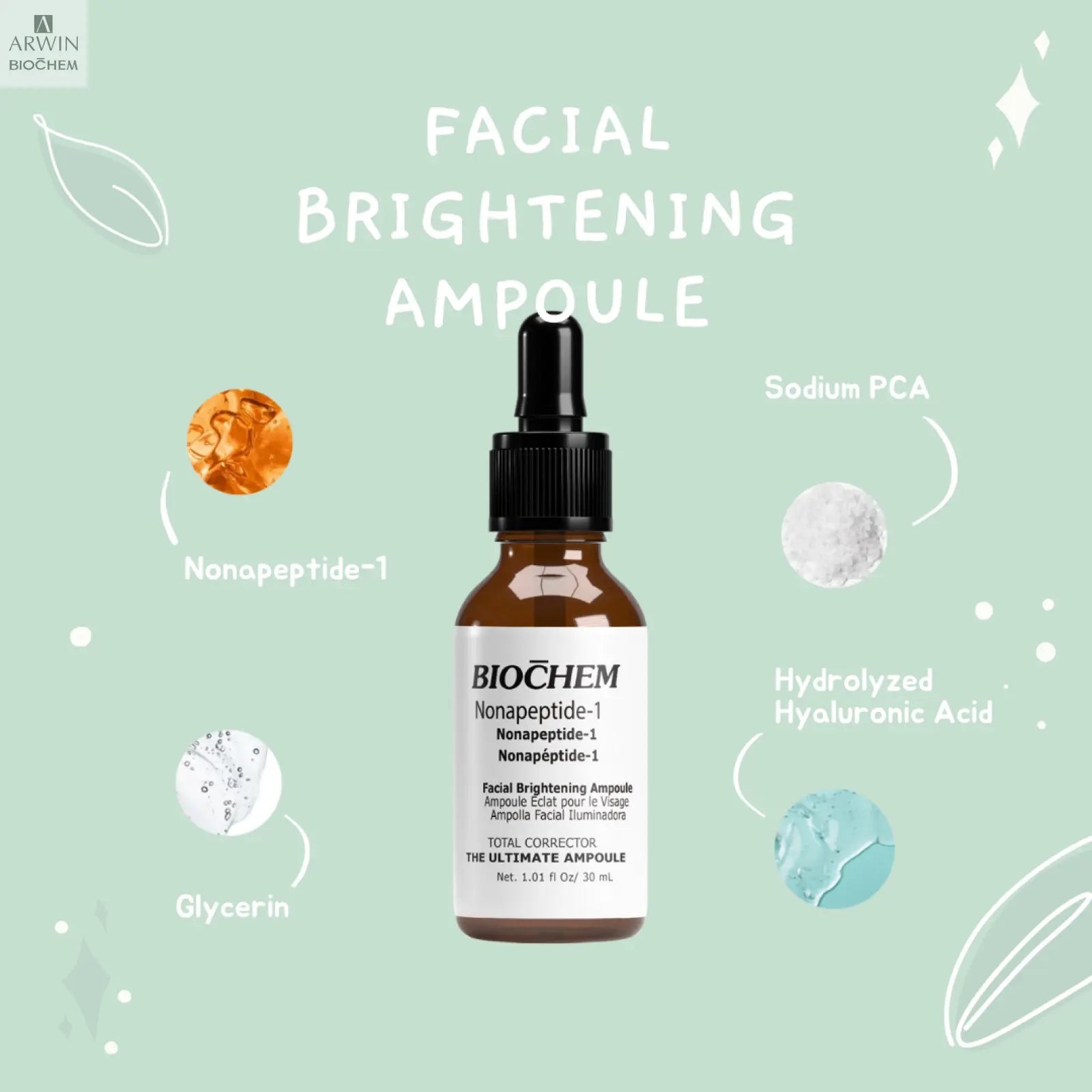
Nonapeptide-1 is a real cosmetic ingredient with a real but thin evidence footprint: the people who actually used it (retail reviewers) report slow, modest brightening and complain about price. Nobody credible isolates the ingredient from its formulas, nobody on social platforms is arguing about it, and the "Melanostatine-5" trade name dresses up what is, commercially, a supporting cast member.

Skin, hair & cosmetic↗

Oligopeptide-1 (EGF — Epidermal Growth Factor)

Tier 3Cosmetic ingredient

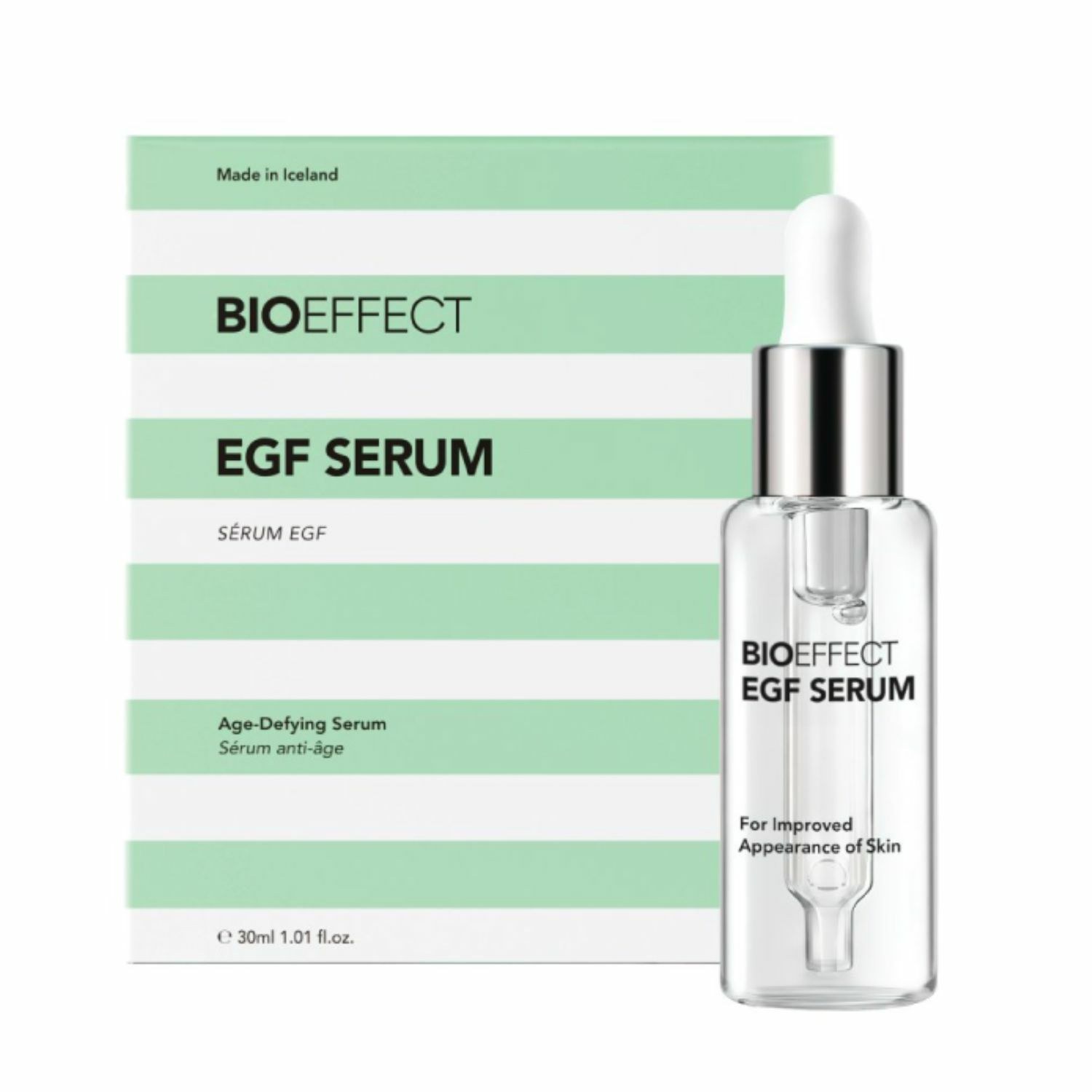
Oligopeptide-1/EGF is the most socially alive item in this recovery set and the most scientifically awkward: users see overnight cosmetic effects, but the 53-amino-acid elephant in the room is whether any of it gets past the barrier — and the most careful reviewers say so openly. BIOEFFECT's barley EGF has the longest owner record; K-beauty ampoules offer the cheaper experiment.

Skin, hair & cosmetic↗

Palmitoyl Tripeptide-1

Tier 2Cosmetic ingredient

Palmitoyl Tripeptide-1 is one of the few cosmetic peptides with genuine, multi-year social staying power: 93 posts across three platforms, a clinician explaining its signal-peptide mechanism to an engaged audience, and a 124-like consumer review praising real-world wearability.

Skin, hair & cosmetic↗

Palmitoyl Tripeptide-38 (Matrixyl synthe'6)

Tier 2Cosmetic ingredient

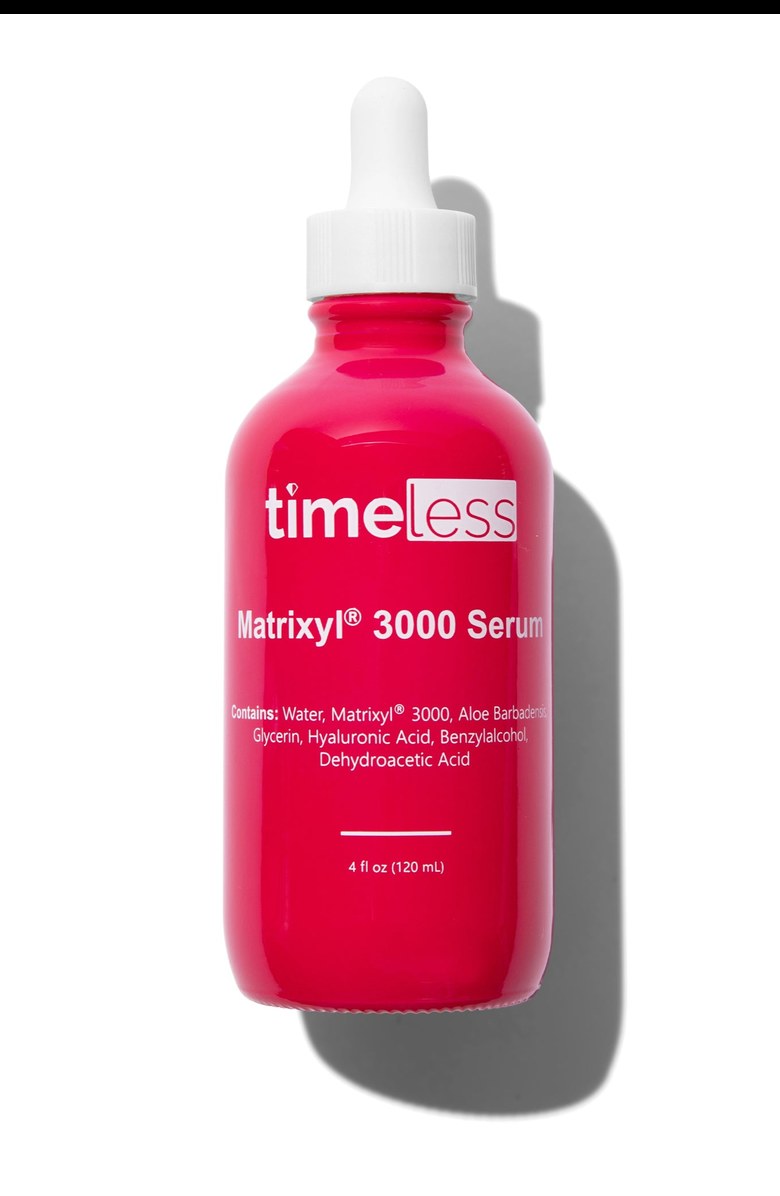
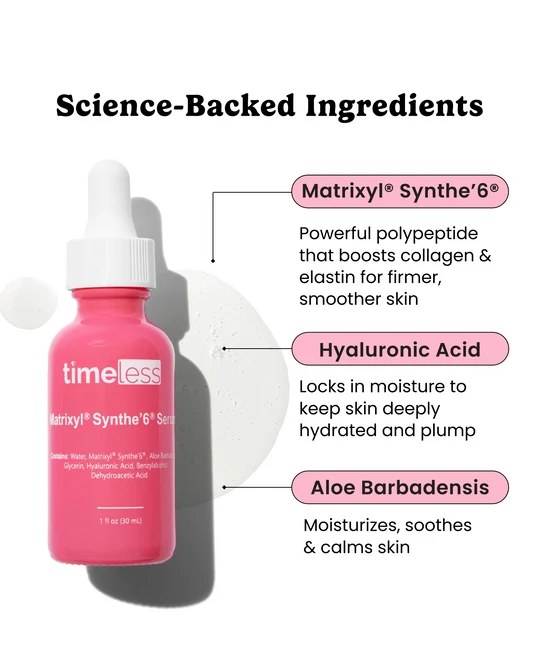
Matrixyl synthe'6 is the Matrixyl everyone buys but nobody debates: estheticians champion its six-component matrix story, Timeless buyers rate it 4.9 stars in the thousands, and it's quietly half of the best-selling budget peptide serum — yet almost no one discusses it on its own, and its headline numbers (21% volume, 19% depth) are brand-quoted manufacturer data that the community's skeptics keep politely asterisked.

Skin, hair & cosmetic↗

SNAP-8 (Acetyl Octapeptide-3)

Tier 2Cosmetic ingredient

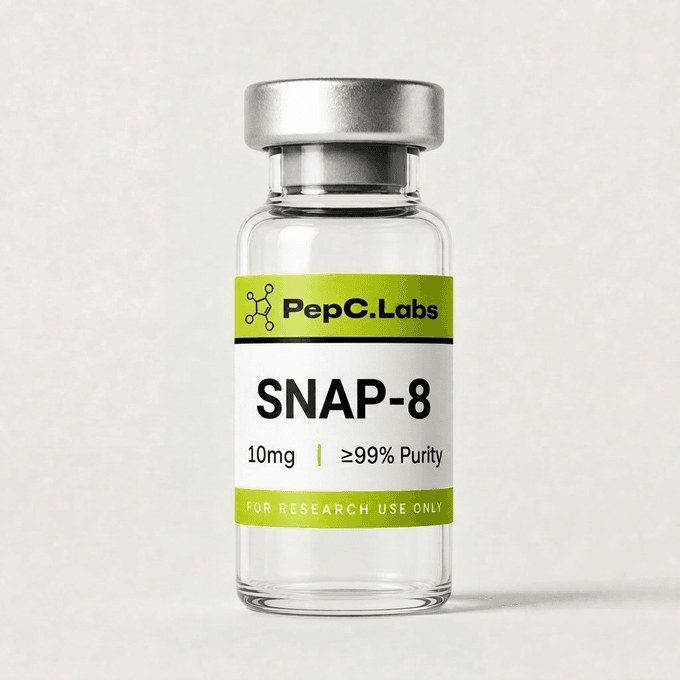
SNAP-8 is the quieter sibling of Argireline with a louder vendor bullhorn: the mechanism story (SNARE interference, "Botox in a bottle") is compelling and literature-backed in vitro, but independent user evidence in 2026 is thin and the information environment is dominated by research-chemical sellers. Users who like it almost always use it stacked with GHK-Cu in a serum.

Skin, hair & cosmetic↗

Tripeptide-29

Tier 3Cosmetic ingredient

There is no community verdict — Tripeptide-29 has no visible community. The evidence says it is a legitimate, INCI-listed collagen-fragment ingredient sold to formulators and quietly used in budget retail formulas, with supplier marketing making strong collagen-synthesis claims that no independent community or cited study currently backs.

Immune & antimicrobial↗

Alloferon

Tier 3Registered medicine (RU/CIS)

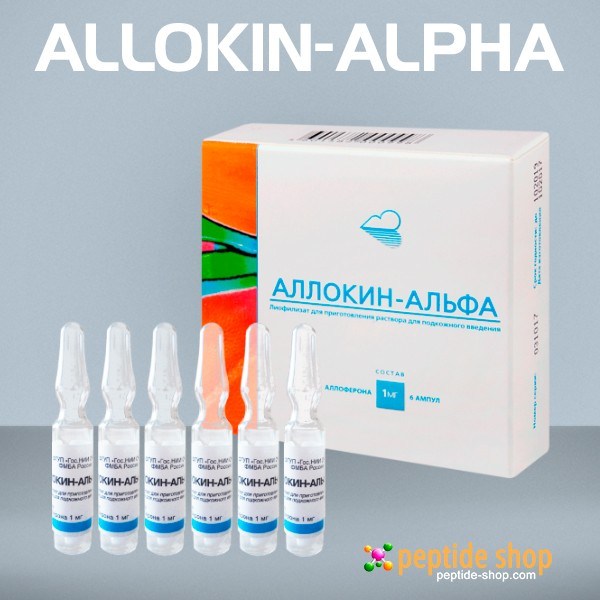
Alloferon's story is compelling on paper — insect immune peptide → registered antiviral drug — but in 2026 it exists in English-language social spaces as a curiosity, not a movement. The one consumer-facing post (ÉLORIA auto-injector framing) suggests someone is trying to build a Western brand around it, which bears watching; as of now there's no peer community to learn from.

Immune & antimicrobial↗

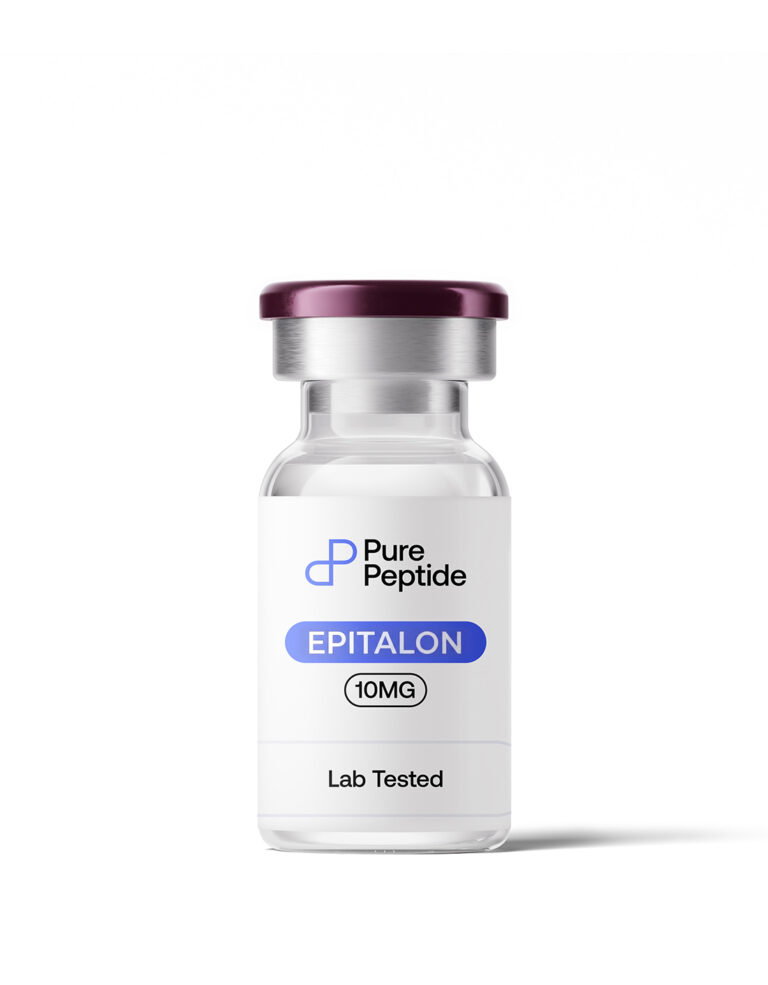
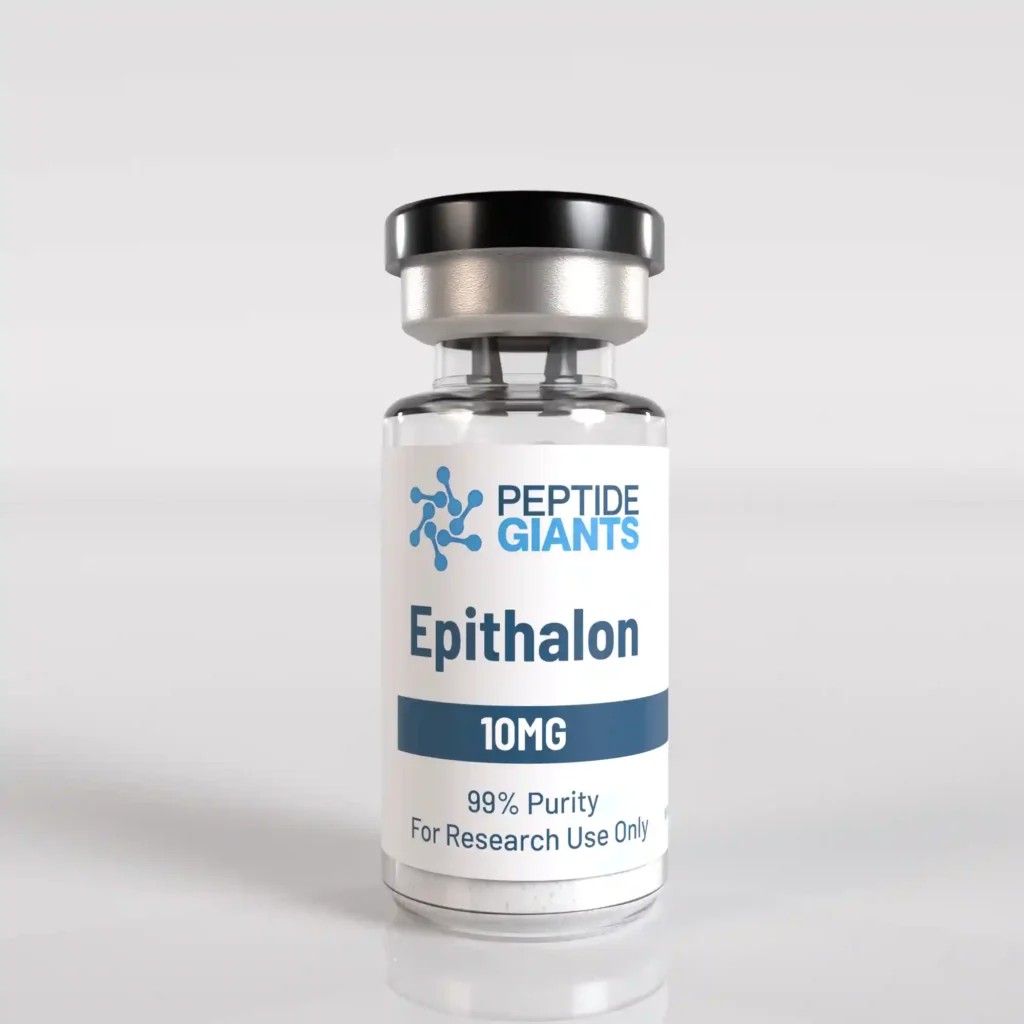
Epithalon

Tier 2Registered medicine (RU/CIS)

Epithalon is the longevity half of this track's biggest viral story — huge reach, thin ownership. The telomerase narrative is its engine and its risk: the same mechanism that excites buyers alarms cautious commenters.

Immune & antimicrobial↗

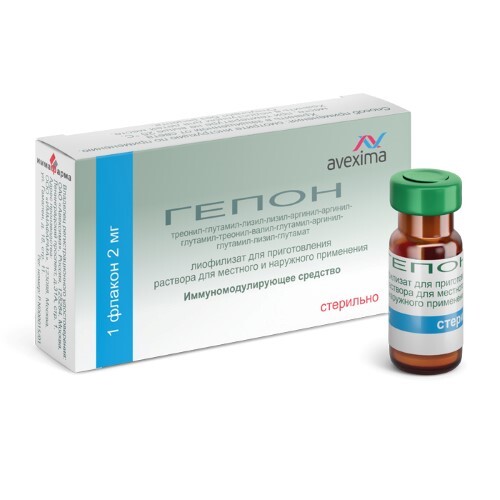
Gepon

Tier 3Registered medicine (RU/CIS)

Gepon is a "patient-forum peptide" — its only real Western discussion lives in chronic-illness forums, not peptide social. The mucosal/topical angle makes it genuinely different from the injectable-heavy track, but without a community it's a research-complete placeholder.

Immune & antimicrobial↗

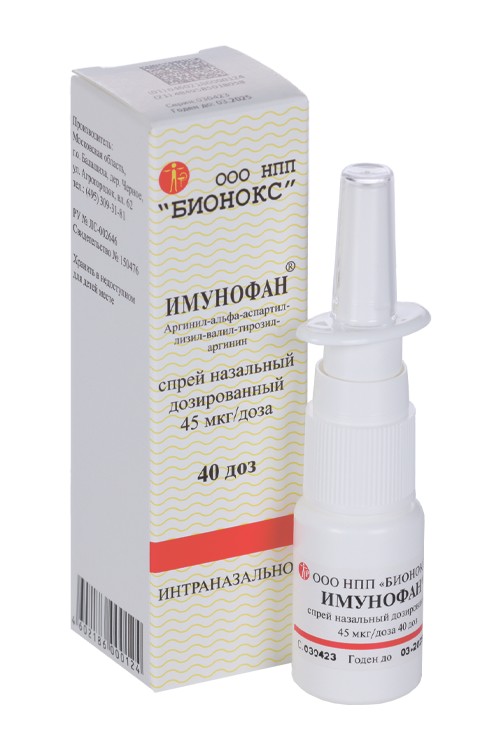
Imunofan

Tier 3Registered medicine (RU/CIS)

Imunofan is the invisible drug — a registered, industrially produced immunomodulator that the entire Western peptide conversation ignores. Its suppository form and antioxidant claims make it structurally unique, but without any community engagement it can't earn standing beyond research-completeness.

Immune & antimicrobial↗

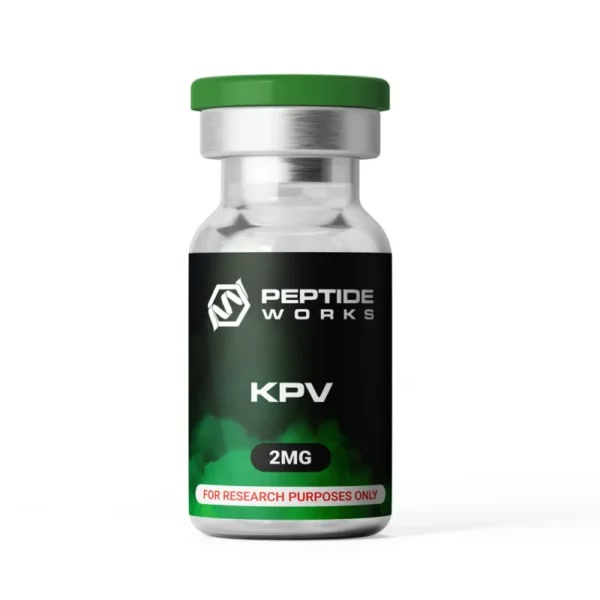
KPV

Tier 2Research chemical — not approved

KPV is 2026's rising anti-inflammatory staple: credible mechanistic story (PepT1/NF-κB), enthusiastic GI/skin anecdotes, and genuine regulatory momentum from the July 2026 PCAC 8–6 compounding vote — but zero human clinical trials, a loud cautionary minority (dermatologist personal trial: "neither benefit nor harm"), and comment sections dominated by sourcing questions and vendor spam rather than evidence. The "longevity secret" framing outruns the data.

Immune & antimicrobial↗

LL-37

Tier 1FDA-approved prescription

LL-37 is the mold/Lyme/biofilm community's most hyped antimicrobial peptide, with real owner experimentation (folliculitis, sinus, colds) and educator reels driving demand — but the same threads carry the loudest safety counter-chorus of any peptide in this track: mast cell activation, autoimmune contraindications, and bleeding reports.

Immune & antimicrobial↗

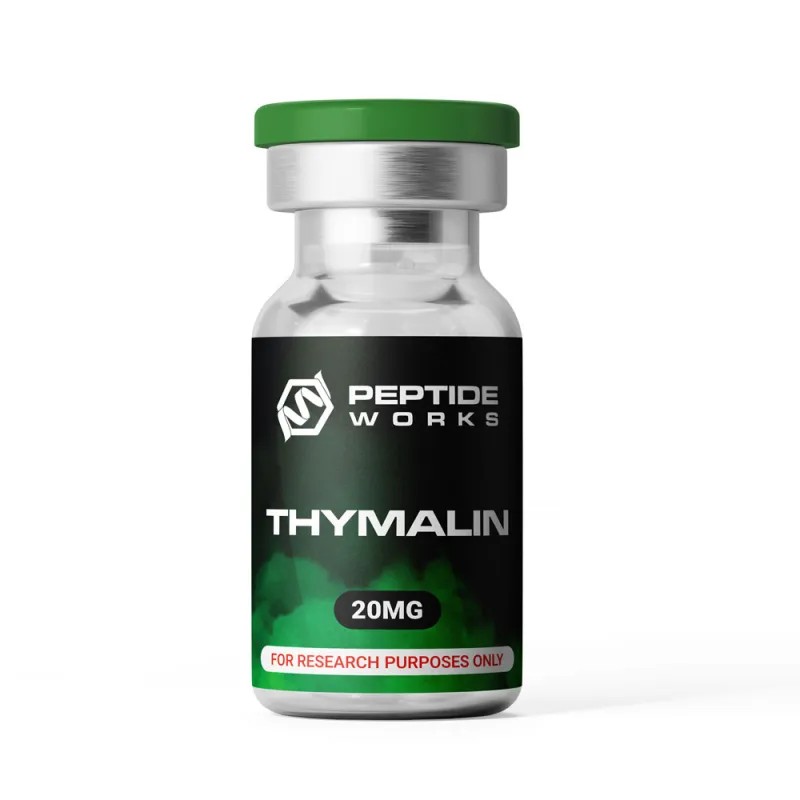
Thymalin

Tier 2Registered medicine (RU/CIS)

Thymalin's 2026 moment is entirely the viral Russian-protocol story — a simple 20-day annual course with a 40-year Russian clinical backstory that Western audiences find compelling. Enthusiasm is real but the evidence most buyers cite is Russian-literature claims, not owned experience, and the thymalin/thymulin identity swap means many buyers aren't getting the molecule in the studies.

Immune & antimicrobial↗

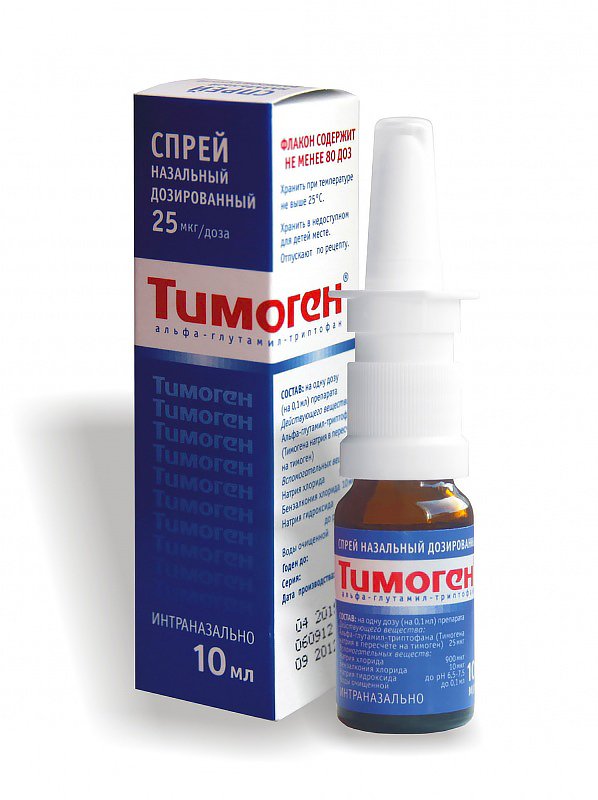
Thymogen

Tier 3Registered medicine (RU/CIS)

Thymogen is a footnote in Western peptide culture — known to Khavinson enthusiasts, owned by almost no one. Its one genuine differentiator (a registered nasal-spray immunomodulator with decades of Russian use) is real but undiscussed in English-language social channels.

Illustrative laboratory photo · Maggie Bartlett, NHGRI · Source · Public domain. Resized.

Immune & antimicrobial↗

Thymopentin

Tier 3Research chemical — not approved

Thymopentin is the "approved drug nobody talks about" — an actual China-approved immunomodulator with a real clinical record, but effectively absent from Western peptide social culture. The 2025 mouse thymic-rejuvenation data gives it a second narrative wind, though it's preclinical.

Immune & antimicrobial↗

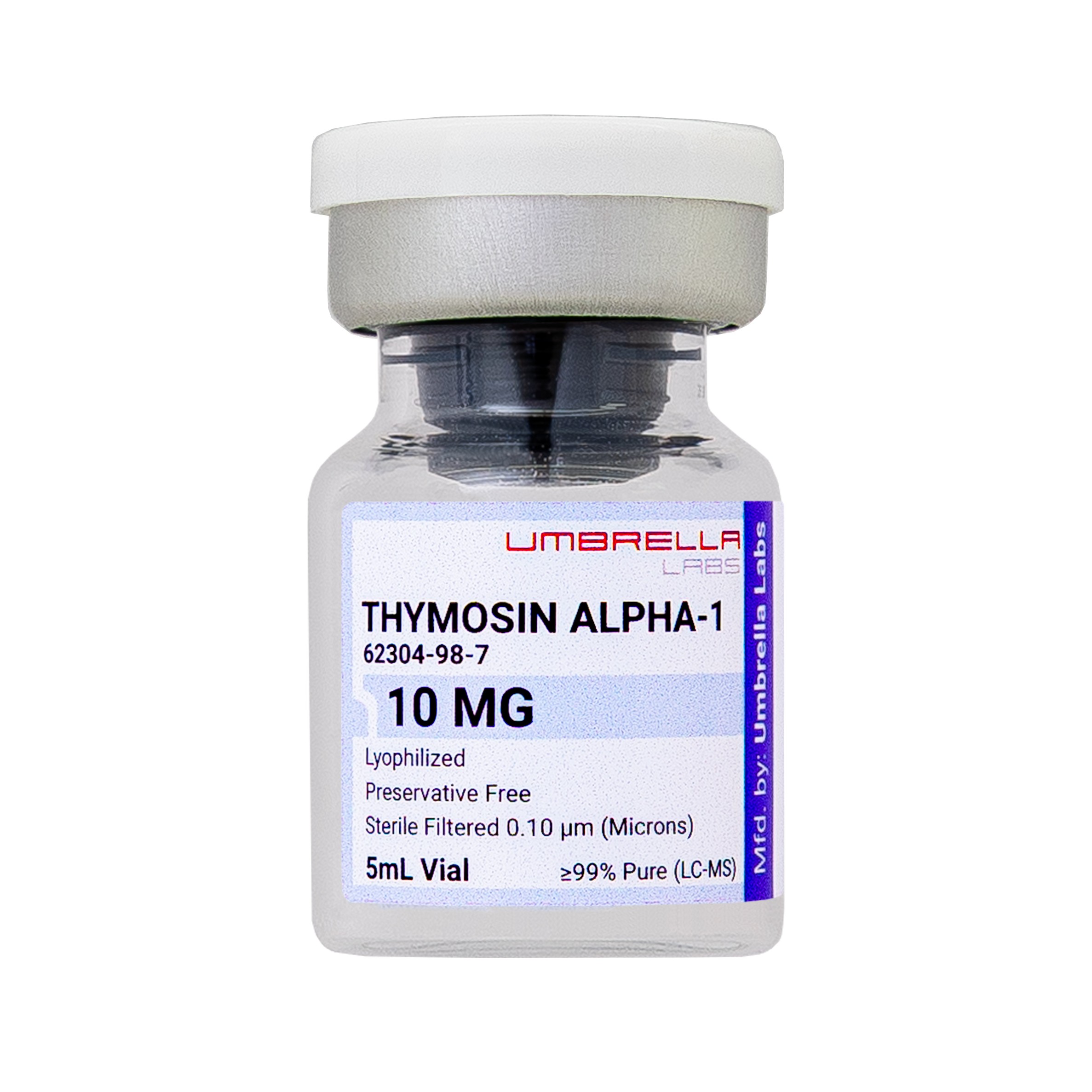
Thymosin Alpha-1 (TA1 / Thymalfasin)

Tier 1Research chemical — not approved

Thymosin Alpha-1 is the immune category's consensus "safest, most-studied" pick, with genuine pharma history (35+ countries) that no other peptide in this track can claim. The community treats it as the immune regulator for frequent illness and autoimmune-adjacent protocols, though the Hashimoto's/overstimulation debate is unresolved and most dosing talk is anecdotal.

Immune & antimicrobial↗

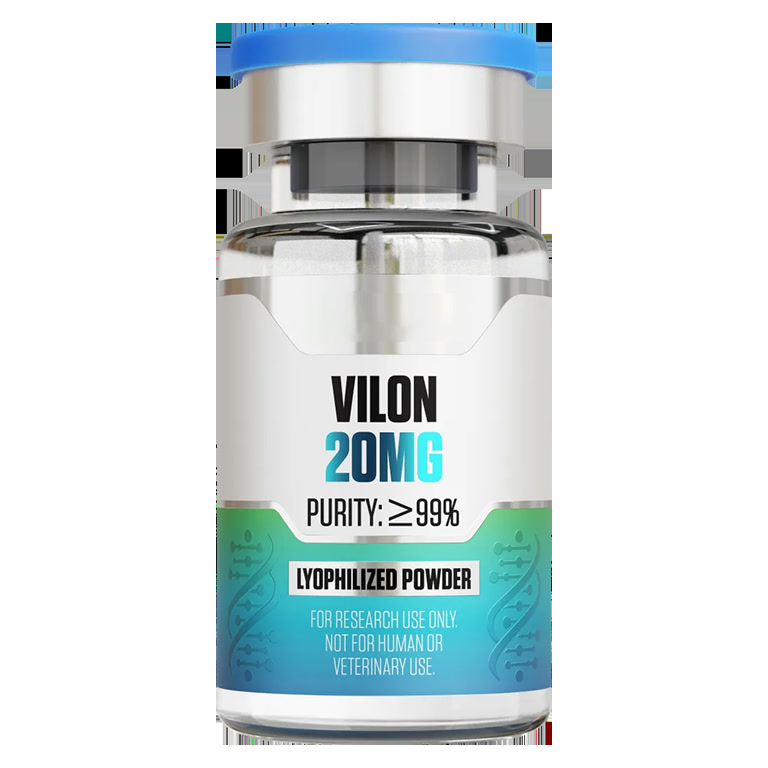
Vilon

Tier 3Registered medicine (RU/CIS)

Vilon is a genuine but niche corner of the bioregulator world: the Khavinson lineage and the dipeptide's epigenetic story (SIRT1/PARP data, chromatin interaction) give it real intellectual scaffolding, and Russian pharma registration sets it apart from pure research chemicals — but the Western social footprint is almost entirely vendor/educator infographics, not owner experience, and the most honest vendor-educator (Peptara Labs) flags both the transgenic-mouse tumor signal…

Immune & antimicrobial↗

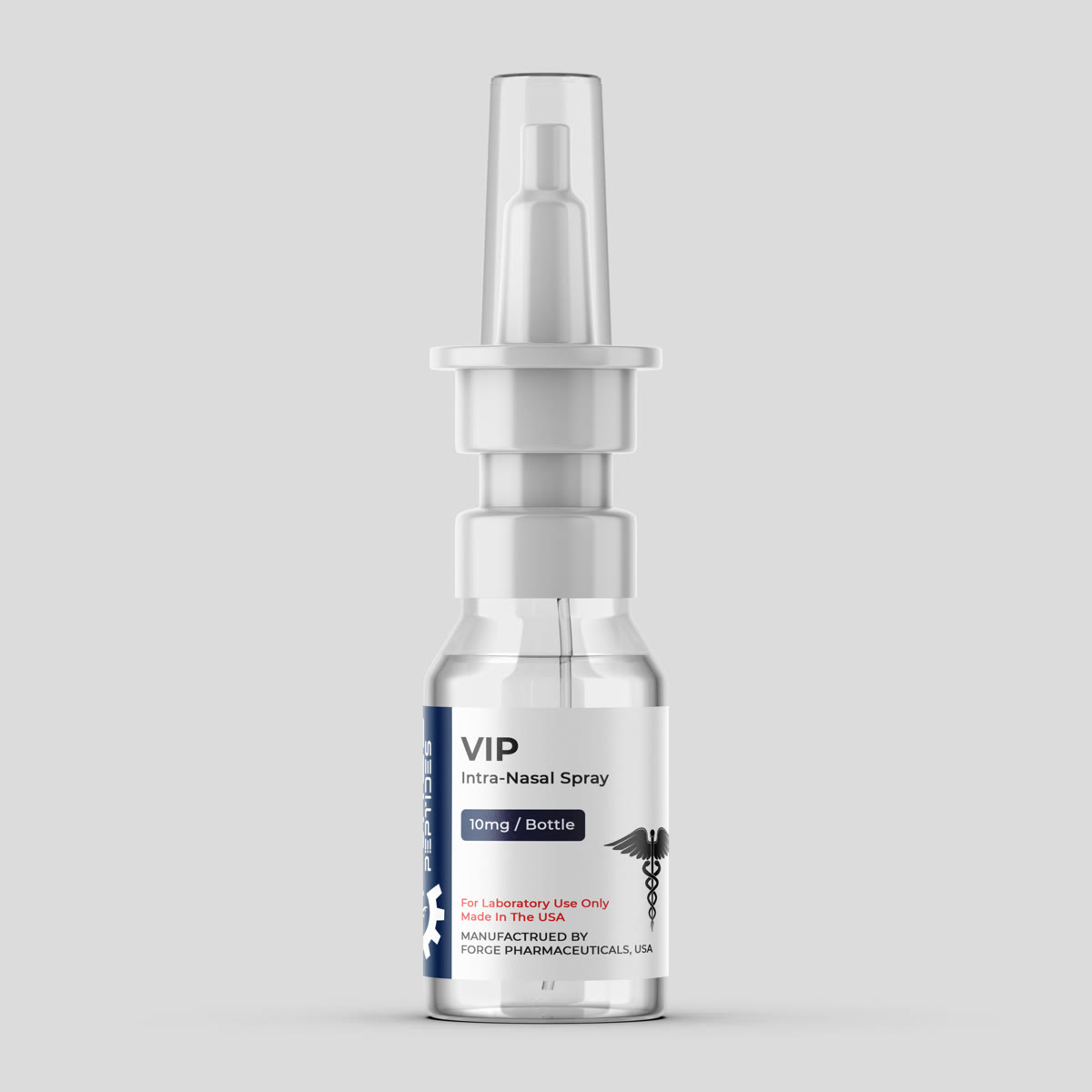
VIP (Vasoactive Intestinal Peptide)

Tier 2Research chemical — not approved

VIP is the insider's immune peptide — loved by the CIRS crowd and featured on a major cheat sheet, but barely discussed as a product anywhere else. The endogenous-molecule trust factor is real, the half-life problem is real too, and most buyers can't distinguish the nasal-spray protocol from injectable vials.

Longevity & mitochondrial↗

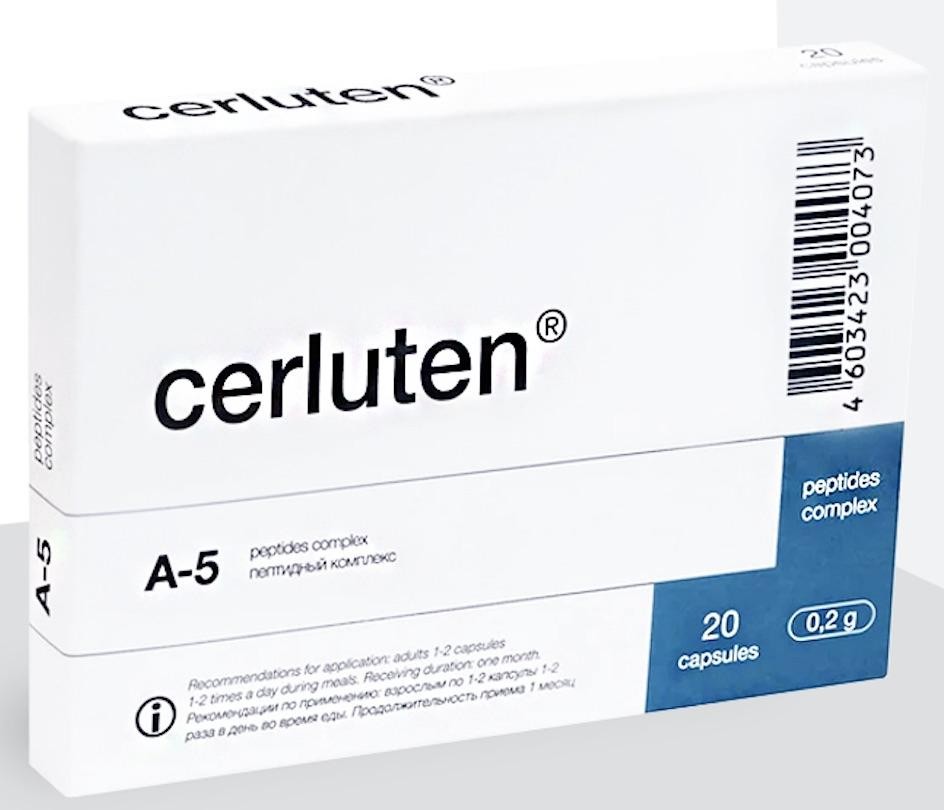
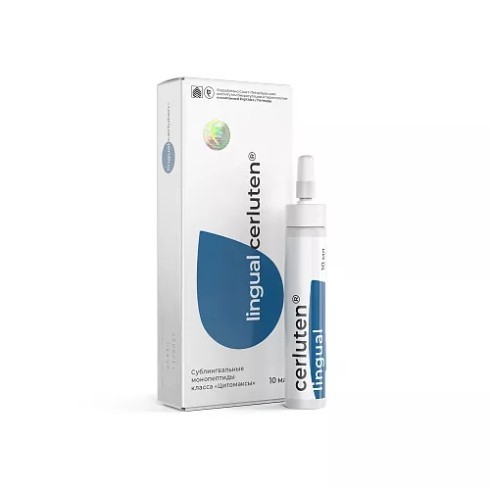
Cerluten (A-5) — CNS / Brain Peptide Bioregulator

Tier 2Other

Cerluten is one of the most consistently stocked and promoted Khavinson brain bioregulators, with genuine owner-level presence on Instagram and Threads (notably Russian/Kazakh buyers showing real boxes) and a growing US longevity-coach audience bundling it into phased protocols.

Longevity & mitochondrial↗

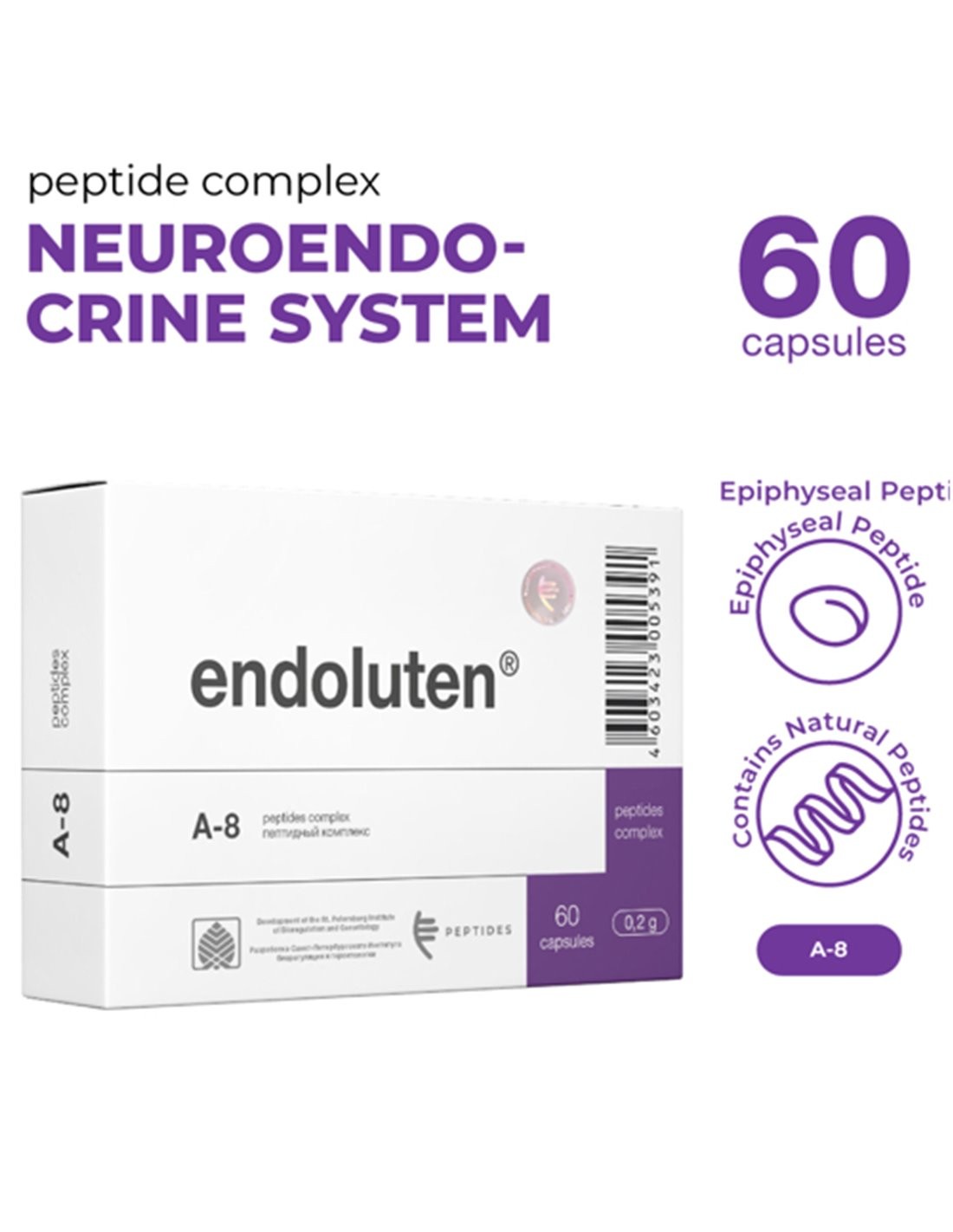
Endoluten

Tier 3Dietary supplement

Endoluten is the Khavinson line's prestige pineal product: the priciest standard bioregulator, bought on the "master regulator" narrative by committed bioregulator users. Its standing is entirely system-derived — no item-level community evidence, no defined chemistry, premium price.

Illustrative laboratory photo · Rhoda Baer (Photographer) · Source · Public domain. Resized.

Longevity & mitochondrial↗

Epithalamin

Tier 3Dietary supplement

Epithalamin exists in the shadow of its synthetic child: the community's real discussion is about the confusion between the two. Those who specifically seek the natural extract do so on Khavinson-traditionalist grounds, but most "Epithalamin" commerce is actually Epithalon wearing a different label.

Longevity & mitochondrial↗

Epithalon (Epitalon, AEDG)

Tier 2Research chemical — not approved

Epithalon is the longevity community's most storied telomere peptide: the sleep and circadian benefits are the most consistently reported real-world effects, while the lifespan claims rest on animal data and one debated human observational dataset. The honest community position, per 2026 long-form analyses, is "compelling mechanism, encouraging but thin human evidence, no RCTs" — worth researching, not worth treating as a proven anti-aging drug.

Longevity & mitochondrial↗

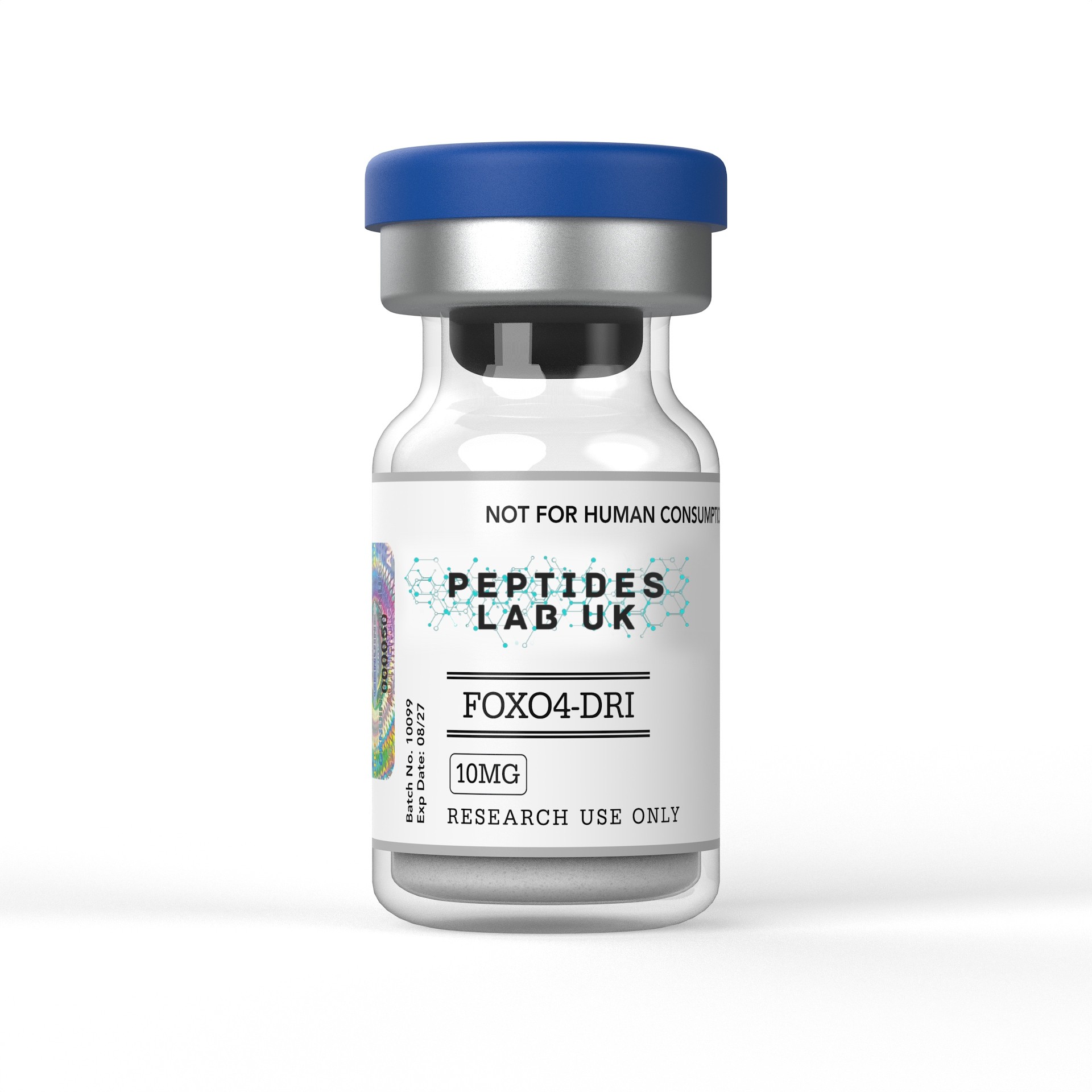
FOXO4-DRI

Tier 3Research chemical — not approved

FOXO4-DRI is the senolytic peptide with the cleanest mechanism on paper and the thinnest real-world footprint: admired by biohacker curators, priced out of casual experimentation, and entirely without human data. The honest community position is "fascinating mouse science, zero human evidence, do not treat as a usable intervention."

Longevity & mitochondrial↗

Humanin

Tier 2Research chemical — not approved

Humanin is the quiet protector of the MDP family: the most naturally-occurring-feeling peptide in this category, with genuine neuroprotective science and genuine practitioner use, but the least community noise. The honest position: real biology, real catalog demand, no human data — bought on mechanism and faith, not on reported outcomes.

Longevity & mitochondrial↗

MOTS-c

Tier 2Research chemical — not approved

MOTS-c is the people's mitochondrial peptide: genuinely used, genuinely discussed, with a real mechanism and real preclinical data — but zero human efficacy proof and a reputation for painful injections. The honest community position: the most interesting metabolic peptide in the grey market, still an experiment, not a therapy.

Longevity & mitochondrial↗

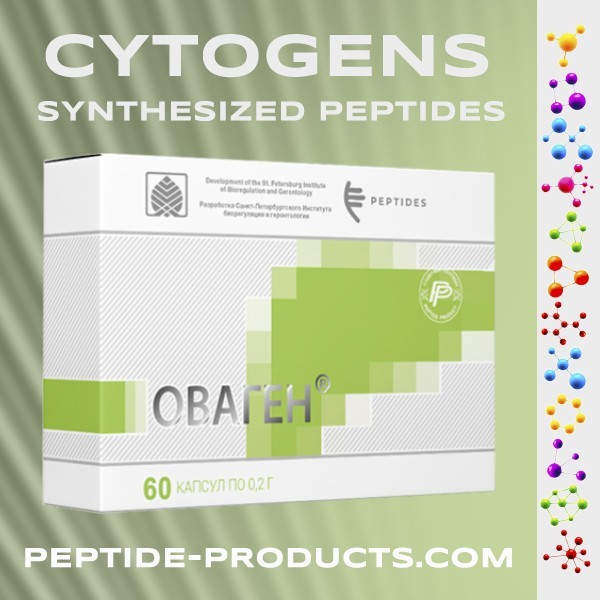
Ovagen

Tier 3Dietary supplement

Ovagen is the liver entry of the Khavinson shelf: chemically defined, commercially available in two parallel markets (vials and capsules), and essentially absent from open English-language community discussion. Its longevity relevance is asserted by the bioregulator system, not demonstrated by user experience.

Longevity & mitochondrial↗

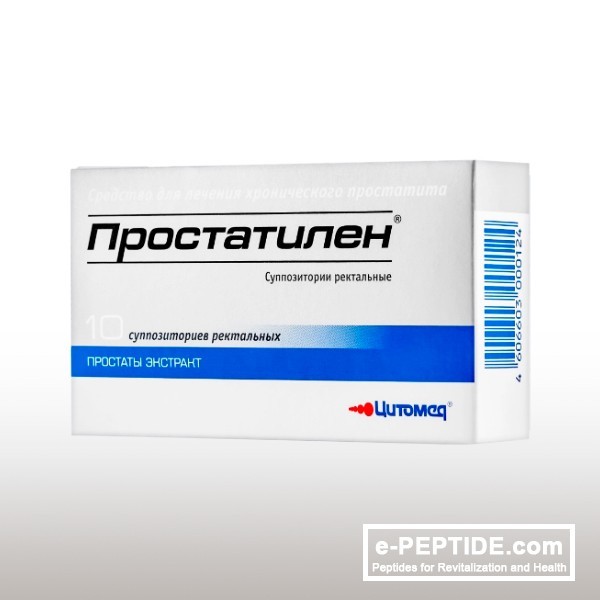
Prostatilen

Tier 3Registered medicine (RU/CIS)

Prostatilen is the category's odd one out: an actual prostate peptide medicine with decades of home-market use, bought mainly by diaspora buyers who know it from Russian urology. Its standing is "real drug, wrong jurisdiction" — credible where it is registered, unapproved and reseller-dependent everywhere else.

Illustrative laboratory photo · Goldmund100 · Source · CC BY-SA 3.0. Resized.

Longevity & mitochondrial↗

SHLP-6 (Small Humanin-Like Peptide 6)

Tier 3Research chemical — not approved

SHLP-6 barely registers as a community peptide at all — it lives in catalogs, not in protocols. Its value in this track is as the honest contrast: a real mitochondrial-derived peptide whose entire footprint is preclinical, showing how far the social signal drops once you leave MOTS-c/humanin territory.

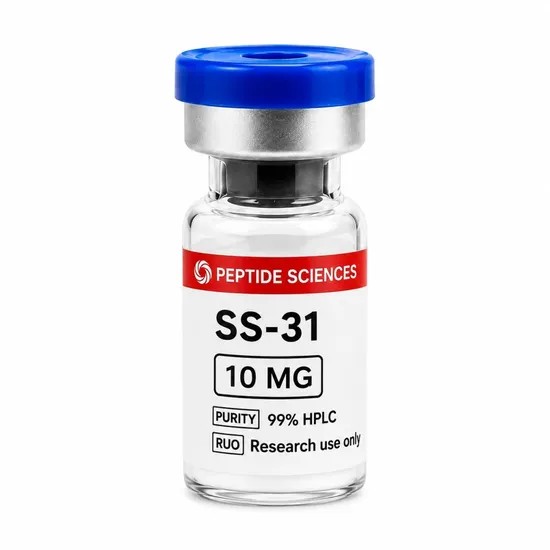
Longevity & mitochondrial↗

SS-31 (Elamipretide, MTP-131, Bendavia)

Tier 2Other

SS-31 is the "serious" mitochondrial peptide — real drug-development pedigree and the clearest mechanism in the category — but that legitimacy comes with real-drug downsides: frequent injection-site reactions, premium pricing, and demanding dosing. The community treats it as the high-conviction, high-cost mitochondrial option, not a casual longevity staple.

Longevity & mitochondrial↗

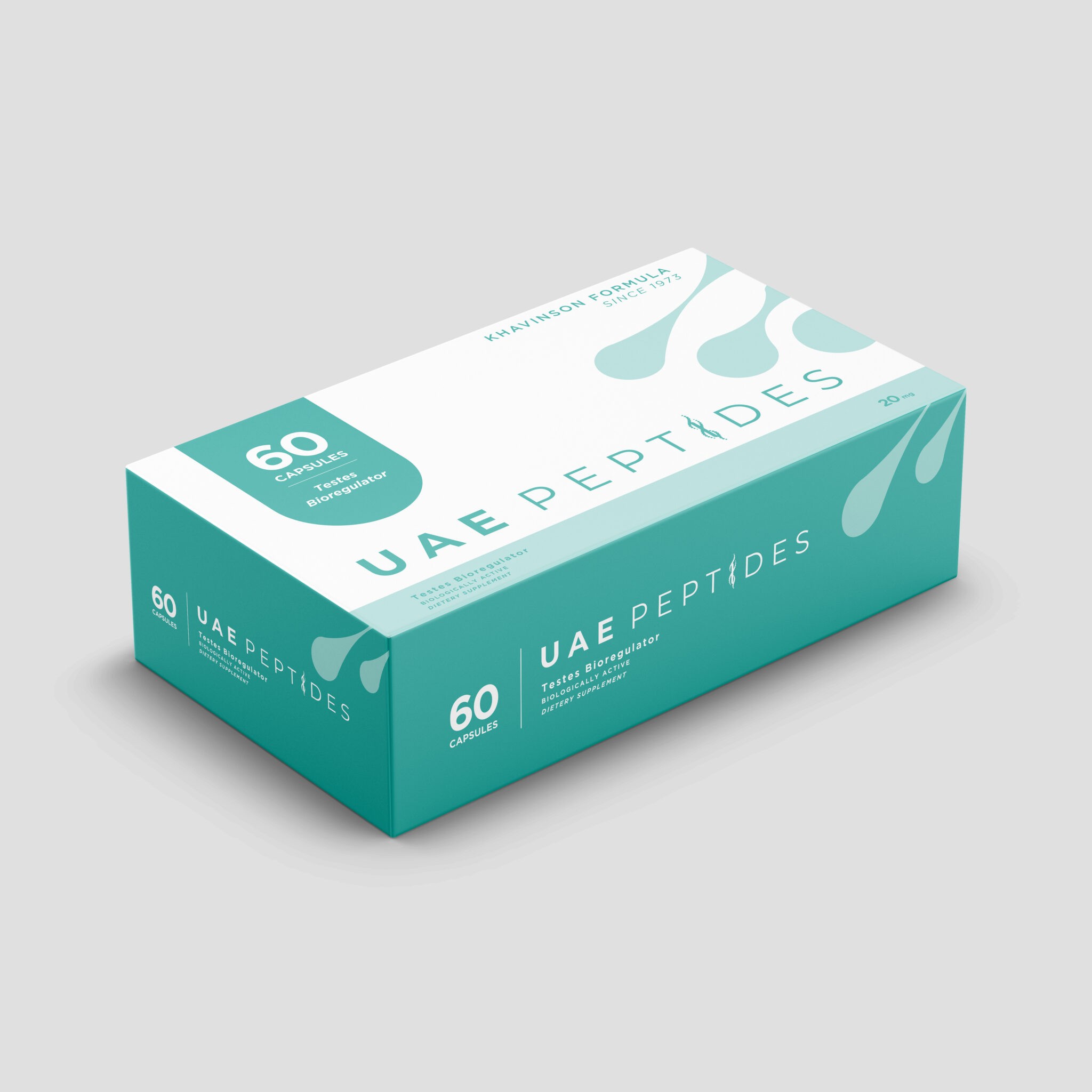
Testoluten

Tier 3Dietary supplement

Testoluten is the men's-health staple of the Khavinson line: a real, long-sold testes bioregulator bought mainly as part of the A-13/A-16/A-17 stack. Its community standing rests on the bioregulator system's reputation, not on item-level evidence — and as an undefined tissue extract, it is the least chemically legible item in this category.

Longevity & mitochondrial↗

Vezugen

Tier 3Dietary supplement

Vezugen is the vascular entry in the Khavinson bioregulator shelf: a real defined tripeptide with a plausible endothelial story and a functioning multi-vendor market, but essentially no open-community experience reports in English-language biohacker spaces. Bought on the strength of the bioregulator system as a whole, not on Vezugen-specific evidence.

Libido, tanning & sleep↗

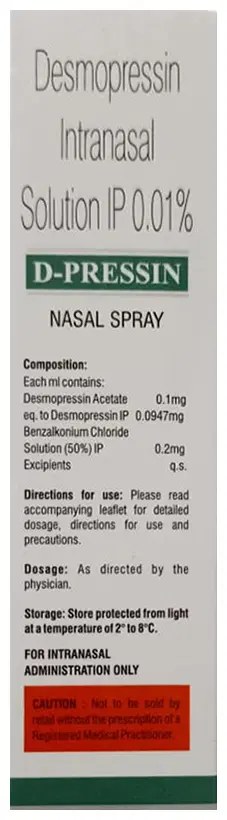
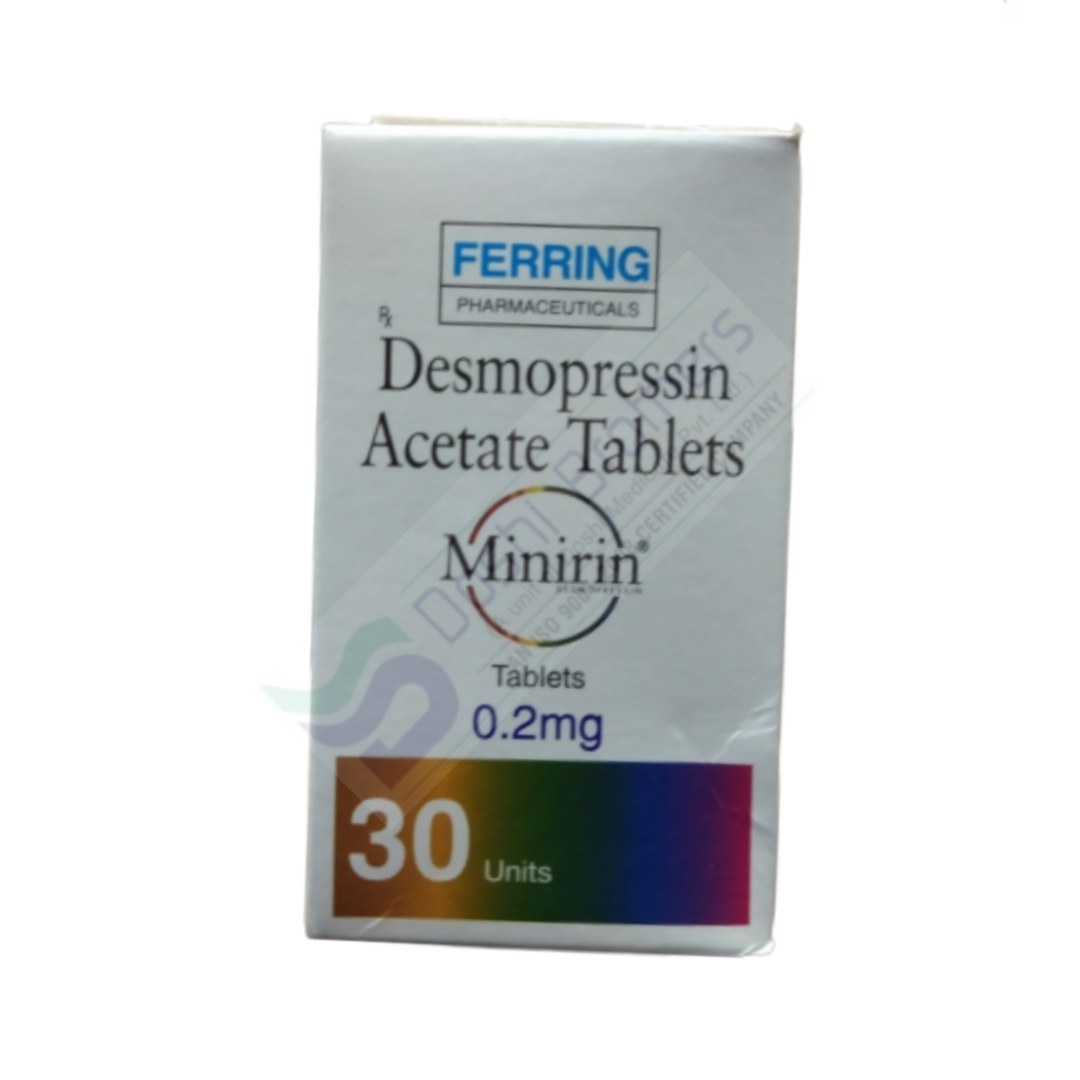
Desmopressin (DDAVP / Minirin)

Tier 3Other

Desmopressin has no standing as a biohacker peptide in 2026: the peptide and biohacking groups searched contain zero discussion of it, Threads carries no experience content, and all social signal is clinical education plus a genuine 2026 drug-shortage story in Canada. It remains a trusted, prescription-only drug whose real-world community footprint is about access (shortages, backorders, hyponatremia caution) rather than experimentation.

Libido, tanning & sleep↗

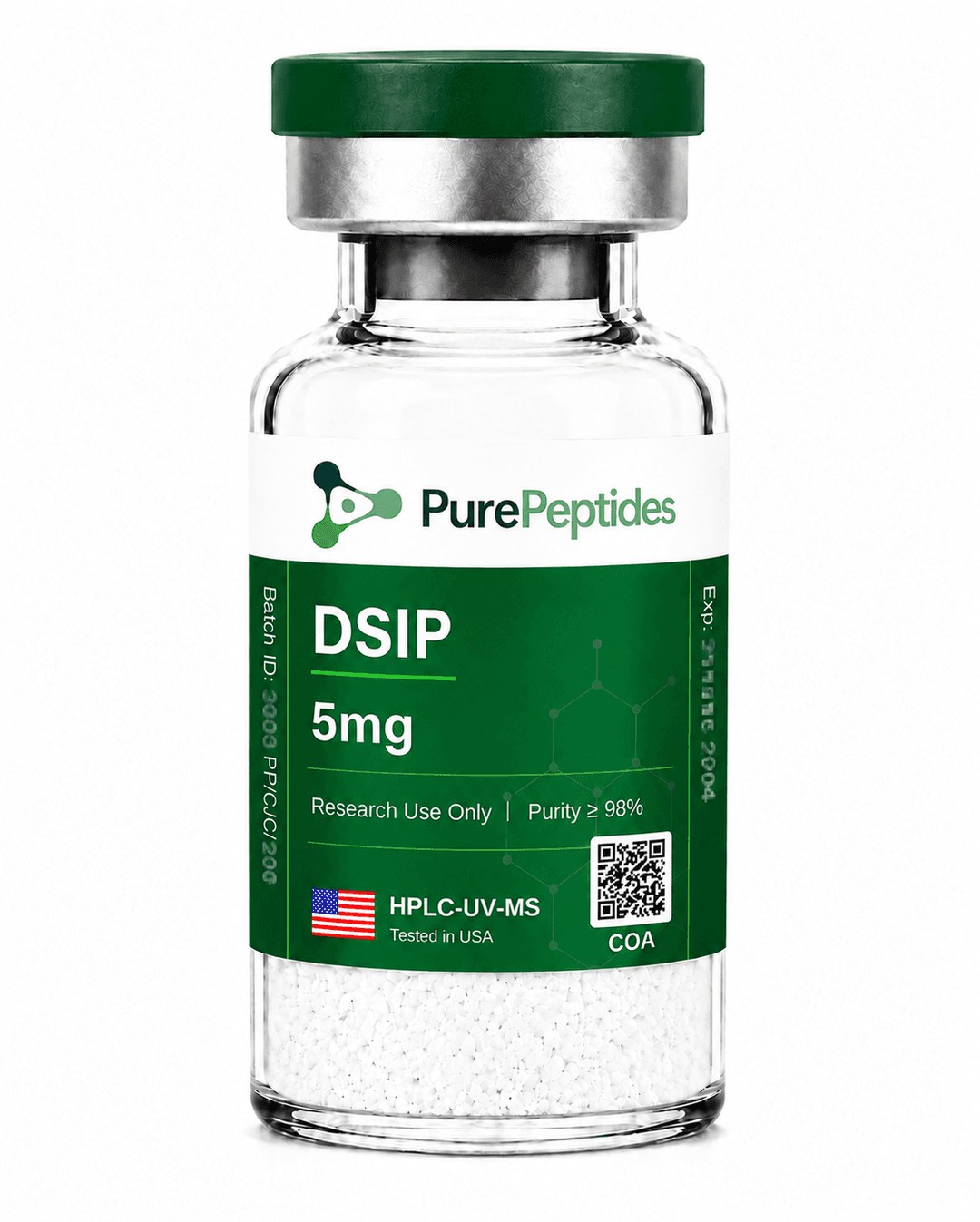
DSIP (Delta Sleep-Inducing Peptide)

Tier 3Registered medicine (RU/CIS)

DSIP has a genuine but small 2026 footprint centered on Threads, where a verified user's detailed sleep-recovery story drew real engagement, and on bodybuilding forums where opinion splits cleanly between "it either sucks or it's great." The recurring pattern — works for some, nothing for others, grogginess at high doses, rebound insomnia with overuse, and skeptical placebo-trial data from the Matt Walker Podcast — makes it a niche experiment, not a proven sleep solution.

Libido, tanning & sleep↗

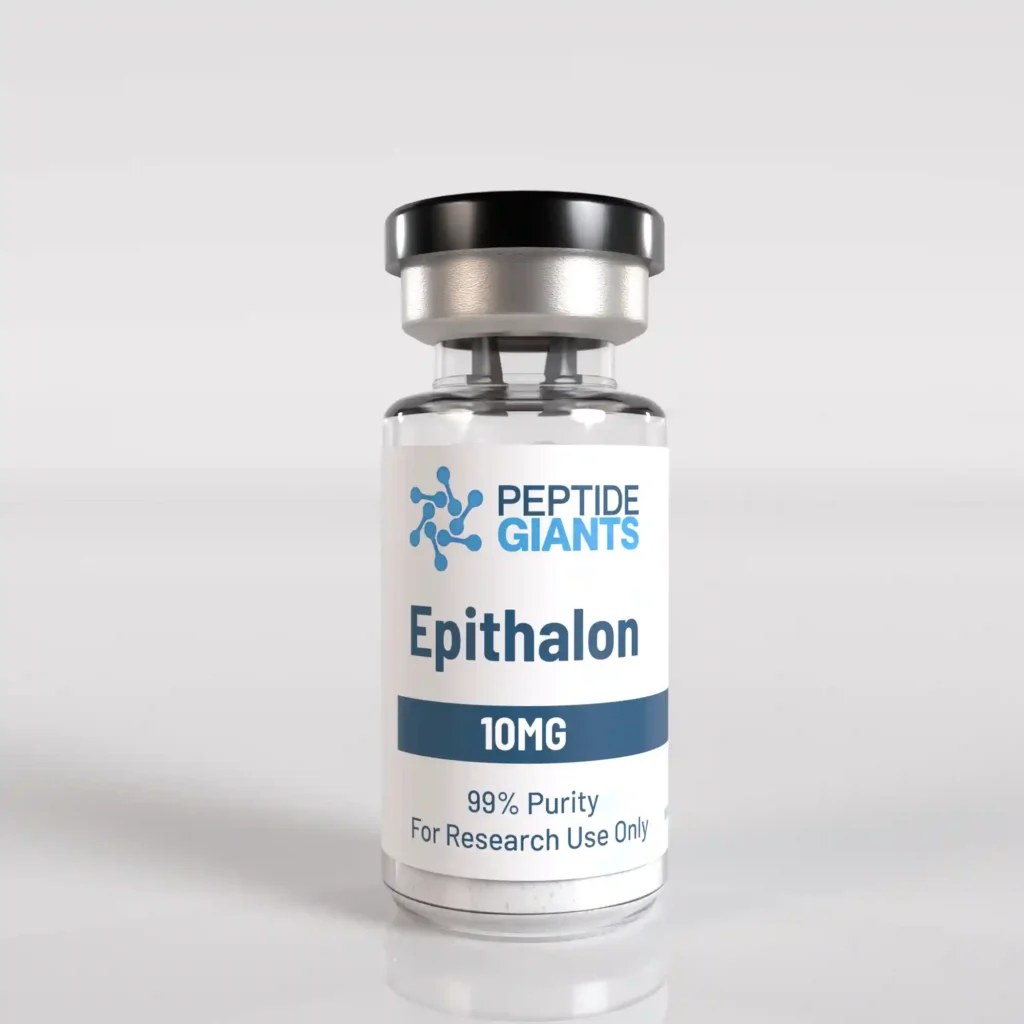
Epithalon

Tier 3Research chemical — not approved

Epithalon is longevity culture's favorite mechanism story in search of an outcome: the telomerase narrative is compelling, the Khavinson lineage is genuinely interesting, the price is low — and the human evidence is missing. The community's most honest voices (including vendor-adjacent ones) concede the gap.

Libido, tanning & sleep↗

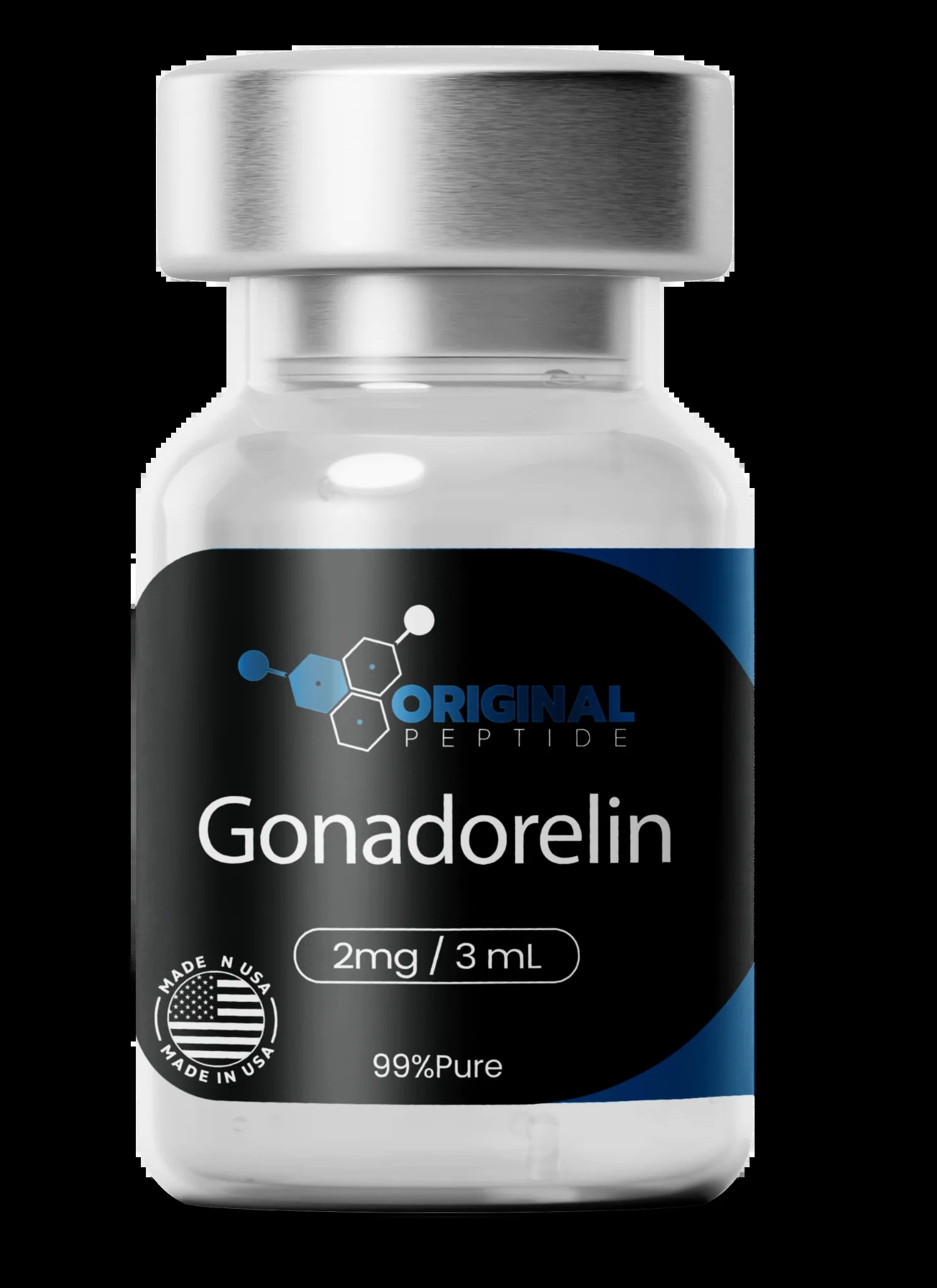
Gonadorelin

Tier 3Research chemical — not approved

Gonadorelin is better marketed than it is discussed: clinics push it to TRT users, vendors stock it cheaply, but the organic owner conversation is nearly invisible. The pharmacology nuance that matters most — pulsatile stimulation vs.

Libido, tanning & sleep↗

HCG (Human Chorionic Gonadotropin)

Tier 2Other

HCG is the most *consequential* item in this track: the TRT-fertility discussion is detailed, semen-analysis-grounded, and practically oriented in a way nothing else here matches. The community consensus is unusually clear — exogenous testosterone without HCG/FSH commonly means infertility and atrophy; HCG mitigates both; individual response varies; pharma/compounded beats grey-market when affordable.

Libido, tanning & sleep↗

Kisspeptin-10

Tier 2Other

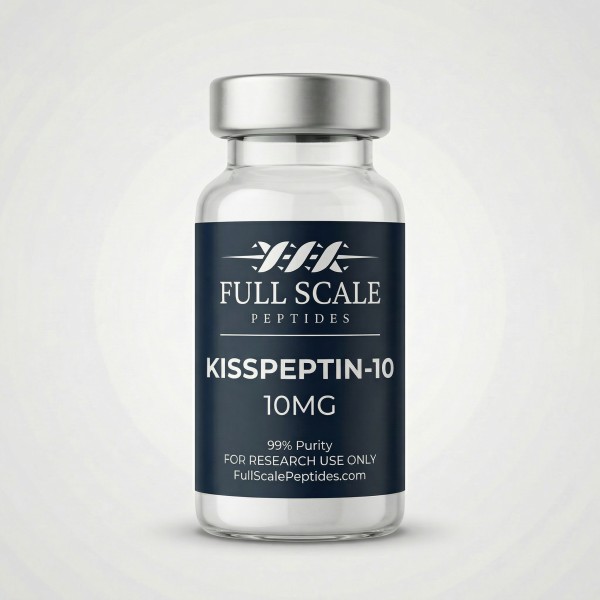
Kisspeptin-10 has real upstream biology and genuine curiosity behind it — especially the PT-141 pairing frame for women's libido — but the community's dominant note is skepticism: the short half-life criticism appears in nearly every serious discussion, experience reports are scarce relative to promotional content, and no Facebook-group dosing culture was observed. It reads as a trend ingredient rather than a community-validated staple.

Libido, tanning & sleep↗

Melanotan I (Afamelanotide)

Tier 3Other

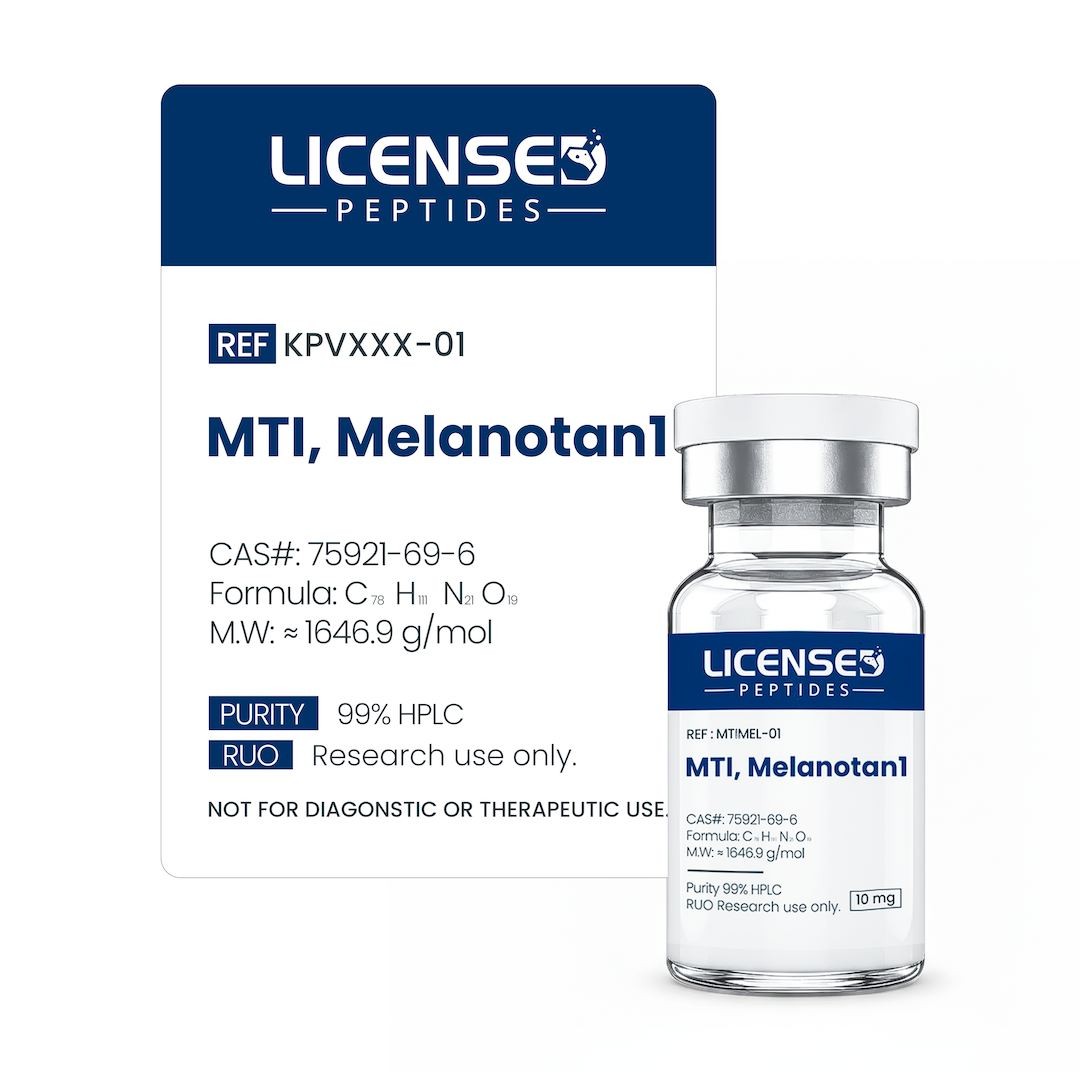
Melanotan I is the "responsible sibling" in name only: the community barely discusses it as a distinct product, the MT-II confusion drowns out whatever signal exists, and its main real-world footprint is vendor catalogs trading on the afamelanotide name. Anyone researching it must treat generic "melanotan" sentiment as MT-II data, not MT-I data.

Libido, tanning & sleep↗

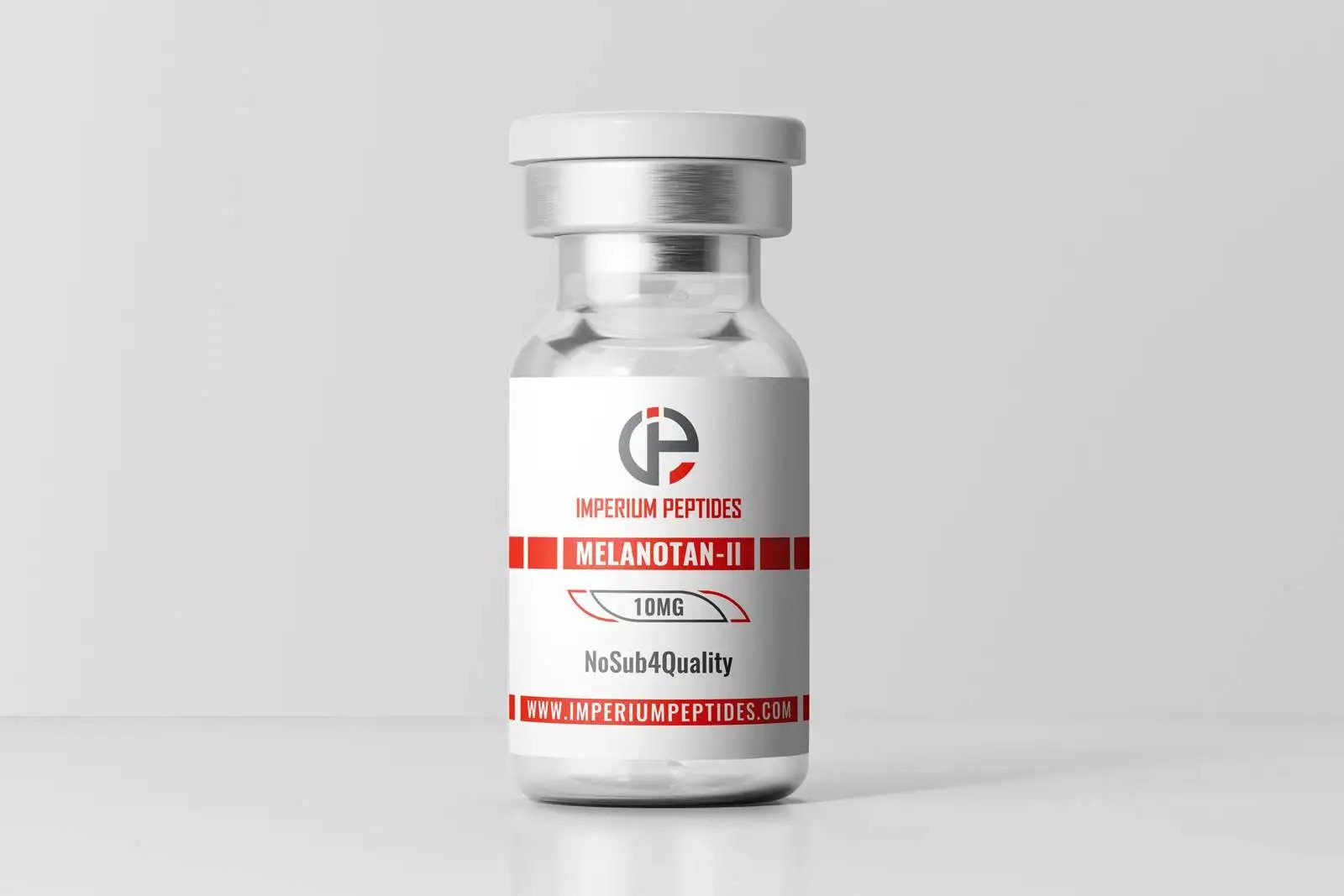
Melanotan II Nasal Spray

Tier 3Other

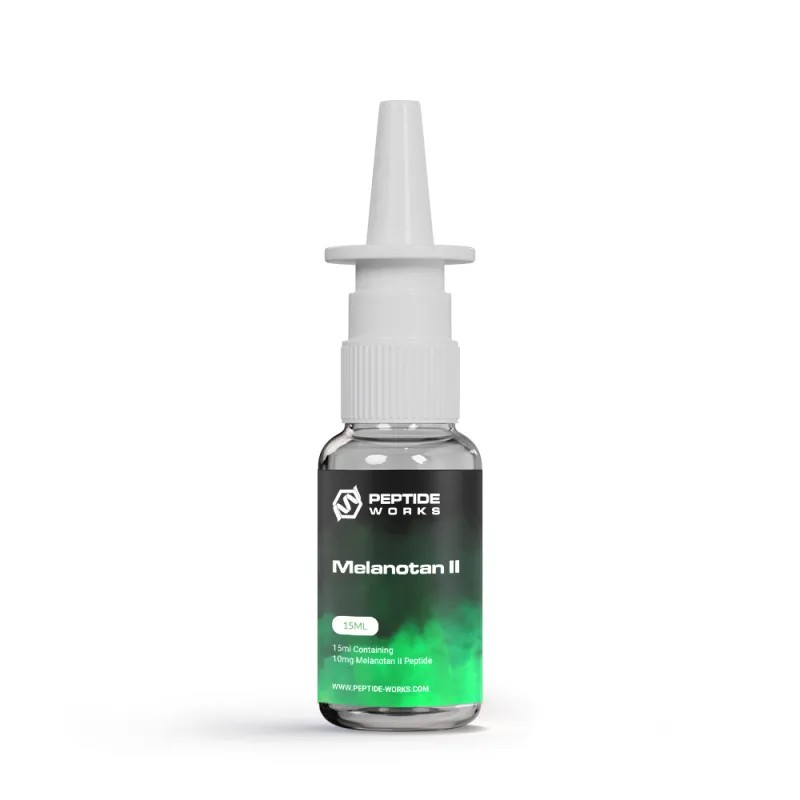
The nasal spray is the format the market wants to sell and buyers can't reliably buy: thin social proof, worse unit economics than vials, persistent stock problems, and background skepticism about whether it works at all. Until owner experience reports exist in the open, it remains a vendor-catalog item, not a community item.

Libido, tanning & sleep↗

Melanotan II

Tier 2Research chemical — not approved

Melanotan II is the category's lightning rod: it has the most users, the most lore, the most dramatic before/after content — and the most polarized safety debate. The community consensus that does exist is narrow: it tans, it nauseates at first, it flushes, and moles change — that last point being the one even enthusiasts tell each other to watch.

Libido, tanning & sleep↗

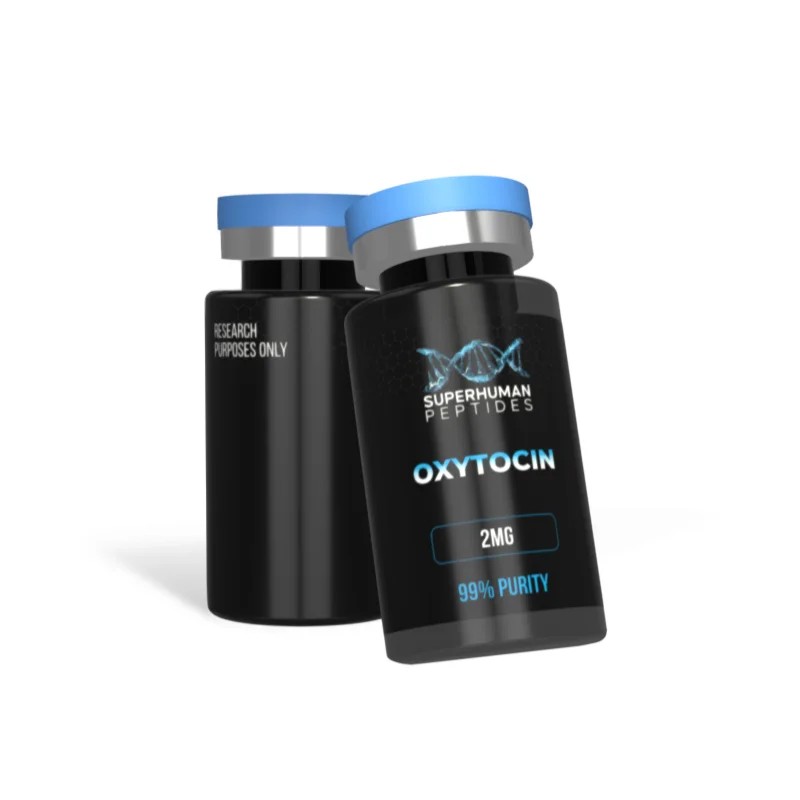
Oxytocin

Tier 2Other

Oxytocin has the trend energy — "sexmaxxing" and the PT-141 pairing gave it the most distinctive 2026 narrative in the niche track — but the evidence base is lopsided: journalism and clinic marketing on one side, thin owner reporting on the other. The nasal-spray format lowers the barrier to experimentation, which cuts both ways: more casual trial, less disciplined reporting.

Libido, tanning & sleep↗

Pinealon

Tier 3Research chemical — not approved

Pinealon is the track's ghost item: a real product with real vendors and essentially no community. There is no owner lore, no dosing culture, no debate — just catalog pages and one affiliate guide.

Libido, tanning & sleep↗

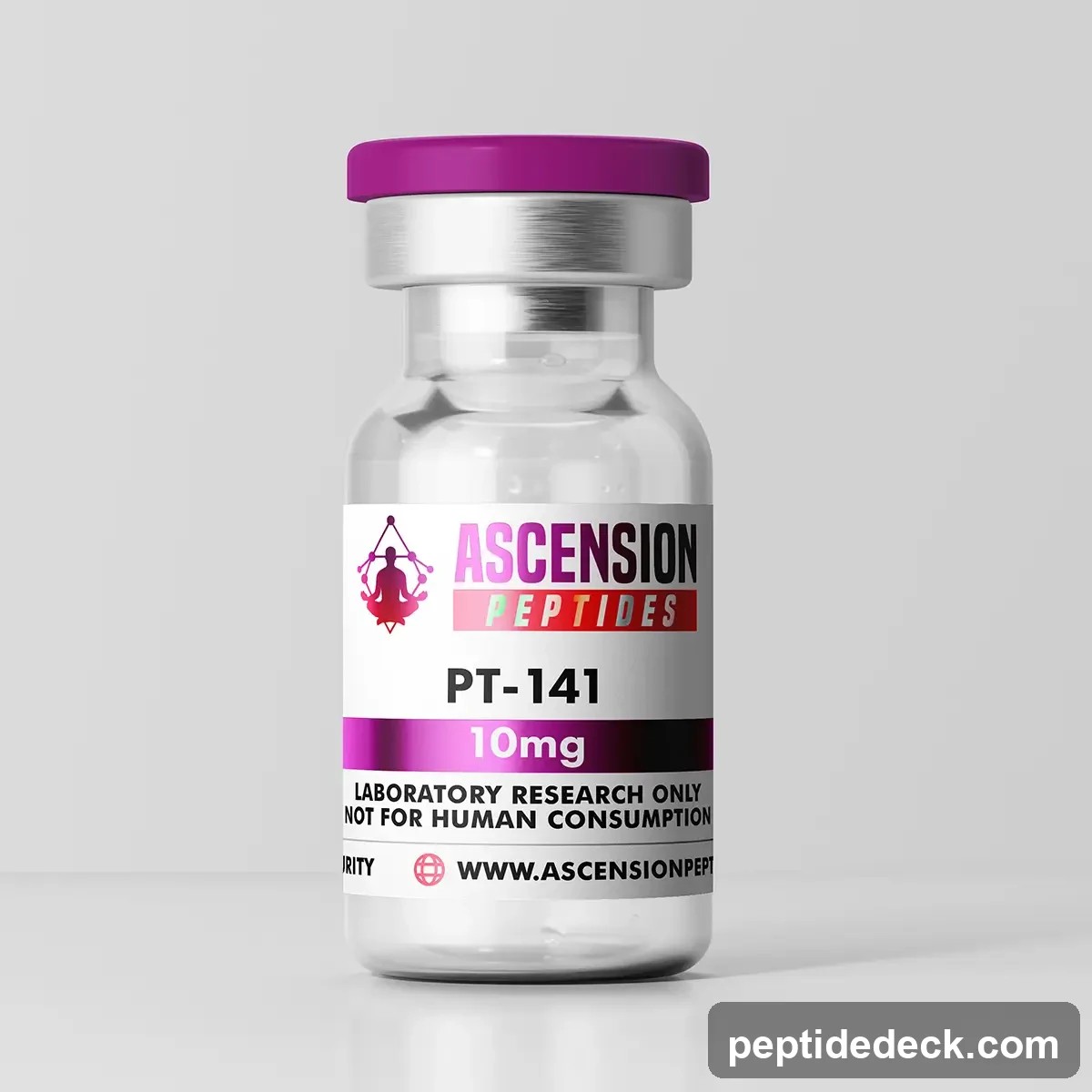
PT-141 (Bremelanotide)

Tier 1FDA-approved prescription

PT-141 is the most socially validated libido peptide in this track: physician explainers, owner testimonials, and Facebook group dosing threads all agree it acts on desire centrally and can work well — but the nausea/flushing tax is real and widely reported, with roughly the FDA trial profile (nausea ~40%, flushing ~20%) echoed in community anecdotes.

Libido, tanning & sleep↗

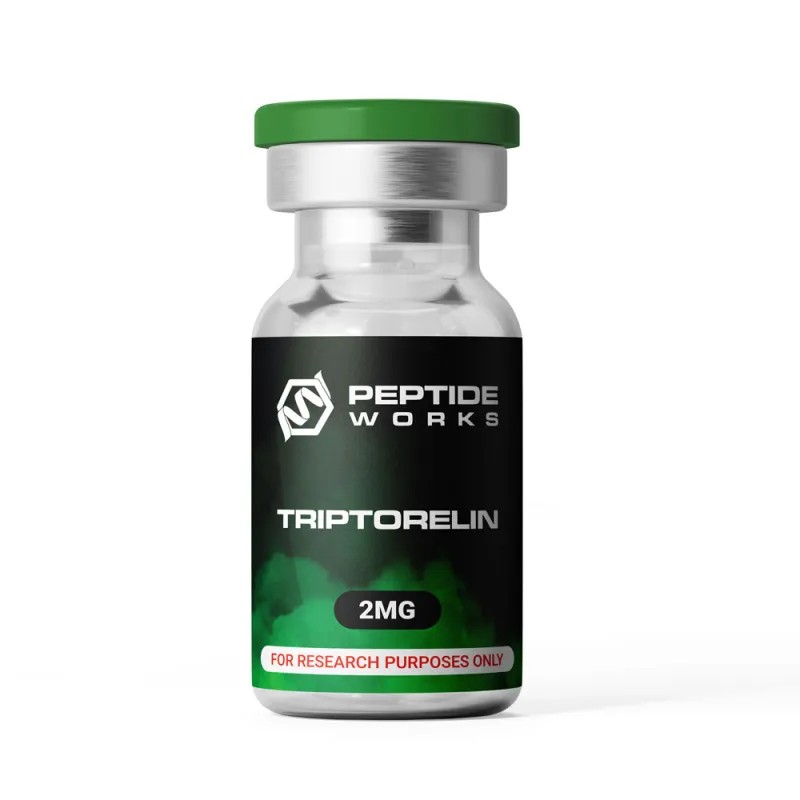
Triptorelin

Tier 3Other

Triptorelin has the most dramatic reputation and the least evidence in this track. The "two-shot PCT" story is compelling precisely because it's simple — one shot, full restart — but it survives as vendor copy, not as a living body of owner reports.

Side by side

Compare the categories.

Field guide↗

Healing & Recovery — Category Comparisons

Healing & Recovery — Category Comparisons. Head-to-head comparison matrices (specs, value-for-money, social validation, regulatory) compiled from the 14 per-compound dossiers in Healing & Recovery, research pass 2026-09-20/21. The tabular matrices are preserved verbatim in the referenced content file and rendered on the site page.

Field guide↗

GH Secretagogues — Category Comparisons

GH Secretagogues — Category Comparisons. Head-to-head comparison matrices (specs, value-for-money, social validation, regulatory) compiled from the 13 per-compound dossiers in GH Secretagogues, research pass 2026-09-20/21. The tabular matrices are preserved verbatim in the referenced content file and rendered on the site page.

Field guide↗

Metabolic & Weight Loss — Category Comparisons

Metabolic & Weight Loss — Category Comparisons. Head-to-head comparison matrices (specs, value-for-money, social validation, regulatory) compiled from the 14 per-compound dossiers in Metabolic & Weight Loss, research pass 2026-09-20/21. The tabular matrices are preserved verbatim in the referenced content file and rendered on the site page.

Field guide↗

Cognitive & Nootropic — Category Comparisons

Cognitive & Nootropic — Category Comparisons. Head-to-head comparison matrices (specs, value-for-money, social validation, regulatory) compiled from the 13 per-compound dossiers in Cognitive & Nootropic, research pass 2026-09-20/21. The tabular matrices are preserved verbatim in the referenced content file and rendered on the site page.

Field guide↗

Skin, Hair & Cosmetic — Category Comparisons

Skin, Hair & Cosmetic — Category Comparisons. Head-to-head comparison matrices (specs, value-for-money, social validation, regulatory) compiled from the 14 per-compound dossiers in Skin, Hair & Cosmetic, research pass 2026-09-20/21. The tabular matrices are preserved verbatim in the referenced content file and rendered on the site page.

Field guide↗

Immune & Antimicrobial — Category Comparisons

Immune & Antimicrobial — Category Comparisons. Head-to-head comparison matrices (specs, value-for-money, social validation, regulatory) compiled from the 12 per-compound dossiers in Immune & Antimicrobial, research pass 2026-09-20/21. The tabular matrices are preserved verbatim in the referenced content file and rendered on the site page.

Field guide↗

Longevity & Mitochondrial — Category Comparisons

Longevity & Mitochondrial — Category Comparisons. Head-to-head comparison matrices (specs, value-for-money, social validation, regulatory) compiled from the 13 per-compound dossiers in Longevity & Mitochondrial, research pass 2026-09-20/21. The tabular matrices are preserved verbatim in the referenced content file and rendered on the site page.

Field guide↗

Libido, Tanning, Sleep & Niche — Category Comparisons

Libido, Tanning, Sleep & Niche — Category Comparisons. Head-to-head comparison matrices (specs, value-for-money, social validation, regulatory) compiled from the 13 per-compound dossiers in Libido, Tanning, Sleep & Niche, research pass 2026-09-20/21. The tabular matrices are preserved verbatim in the referenced content file and rendered on the site page.

From the community

The next story
could start with you.

A question worth investigating. A source we missed. A first-hand perspective. Help shape what we cover next.